
La Soledat Becomes a Runway: Art District Palma Brings Glamour to Carrer de Siquier
La Soledat Becomes a Runway: Art District Palma Brings Glamour to Carrer de Siquier
An old factory hall at Carrer de Siquier 24 was briefly transformed into a fashion meeting on Saturday evening: international designers, unusual models and neighbors on the balconies created a special night in La Soledat.
La Soledat Becomes a Runway: Art District Palma Brings Glamour to Carrer de Siquier
From the factory hall in Palma to a place for fashion, music and neighborhood curiosity
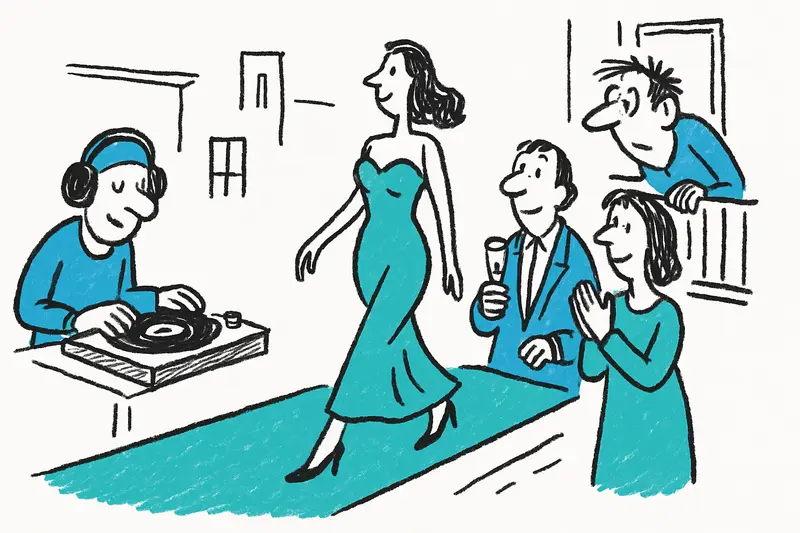
As the sun sank behind the flat roofs of La Soledat and a mild evening of around 23 °C settled over Palma, the unassuming Carrer de Siquier 24 was transformed for a few hours. An old factory hall became a runway. The quiet street turned into a place with a red carpet, champagne glasses and DJ beats. You could hear the clinking of glasses, in the distance the rumble of a city bus, and residents on the balconies rubbing their eyes in surprise – a fashion evening was taking place that differed from the usual premieres.
The project was initiated by event organizer Vicente Berlin, who transformed the hall with stage lighting, plants and a handmade set so that industrial charm met couture. Around 120 guests watched a show with roughly 30 models and several designers. There were unique pieces from ateliers, work by a designer from Mozambique and collections by a Mallorcan couturier. Much of the selection was in light tones, a lot of skin was shown; cuts that promise summer.
Much of the evening felt local: jamón platters on long tables, conversations in a Mallorcan-Spanish mixed dialect, and a DJ who referenced familiar and new dances. That local musical nod recalled open-air happenings and street performances described in Palma as a Stage: FiraB! Brings Dance, Circus and Street Art to the Old Town. At the same time there were international accents: guests from abroad, models of different body types, plus-size and transgender models found their place on the catwalk. This mix ensured the event was understood not just as a parade, but as a platform for diversity. It offered a different scale and tone from citywide gallery nights such as Nit de l'Art 2025: Palma Between Gallery Glamour and Crowds.
Familiar faces found their way to the neighborhood. Some strolled barefoot on the hall's roof terrace and looked out over the tight-knit surroundings, others posed with dogs and bags. The rooftop scene was pleasantly relaxed: conversations about fabrics and cuts mixed with views of satellite dishes and rotary clotheslines on the surrounding houses – a contrast that on this evening almost felt intentional.
For the island's fashion industry, such events are more than a photo opportunity. They open spaces for craftsmanship, bring attention to local labels, and create connections between designers, buyers and creatives. A Mallorcan woman passing by with a shopping trolley stopped, watched and said she had never seen anything like this on her street. That very curiosity is invaluable: it sparks interest among people who are otherwise not subscribed to fashion newsletters.
The evening atmosphere also showed how urban spaces can be repurposed. Instead of seeing empty halls as a problem, they were turned into stages for culture and business. Local cafés, a small neighborhood catering service and a few craftsmen benefited from the passing audience. Short distances and uncomplicated helpers – that is an advantage compared to large halls far outside the city. Debates about whether cultural events shift neighborhood dynamics are discussed in Who Owns Palma? When Luxury Quietly Repaints the Working-Class Neighborhoods.
Looking ahead: the organizers have already announced a collaboration with a local cinema – another event combining film and fashion is expected in early summer. Such ideas are an inspiration for event organizers, restaurateurs and designers alike: those who want to make the island a cultural space think in small steps and reuse existing places.
At the end of the evening the lights on Carrer de Siquier stayed on for a long time. The balconies were empty again, the DJ booth packed up, and the neighborhood smelled of olive oil and cooling asphalt. What remains is the memory of an evening when La Soledat briefly became a different place: a runway where fashion and neighborhood existed side by side – and where many saw for the first time how close creativity and everyday life are on Mallorca.
Frequently asked questions
What was the fashion event in La Soledat, Palma?
Why do fashion events in Mallorca use unusual urban spaces?
Is Palma warm enough for an outdoor-style evening event in spring or summer?
What should I wear to a fashion event in Mallorca?
Who organized the fashion show in Carrer de Siquier, Palma?
Was the La Soledat fashion event in Palma open to the public?
Why are local fashion events important for Mallorca’s creative scene?
What kind of fashion was shown at the Palma runway event?
Similar News

Magaluf: Watchtower Alarm – Lifeguards Pull Unconscious Beachgoer from the Water
After a drama in the late afternoon, two lifeguards at Magaluf beach rescued an unconscious 44-year-old man. He was stab...
Turquoise in the City: How dangerous is the color play of the Sa Riera?
The Sa Riera in Palma suddenly turned turquoise — a pretty motif, but behind the effect lies a discharge of saline waste...

Jeckliner at Sunnesching: Cologne spirit sets sail from Palma
In September 2027 the Mein Schiff 2 briefly becomes a floating carnival stage: four days with Cologne bands, comedy and ...
Finally Home: Mike and Leyla Heiter Buy Villa with Sea View in Mallorca
The reality TV couple Mike and Leyla Heiter have bought a house in Mallorca with a roof terrace and sea view. An Instagr...

Arrest after series in Palma: Who protects apartments from repeat offenders?
The National Police arrested a man in Palma who investigators say may have broken into several apartments. In one incide...
More to explore
Discover more interesting content

Can Cap de Bou

Townhouse Lleo 72
