
Labor dispute leaves trash on Playa de Palma — who pays the price?
Labor dispute leaves trash on Playa de Palma — who pays the price?
Since the end of a cleaning company's concession, trash has been left on Playa de Palma. Sixty employees have filed lawsuits and the city is intervening. Who will now ensure clean beaches — and support the people who work there?
Labor dispute leaves trash on Playa de Palma — who pays the price?
Key question: Why is the city cleaning service suddenly left exposed, and how can we prevent the beaches from bearing the consequences of the dispute?
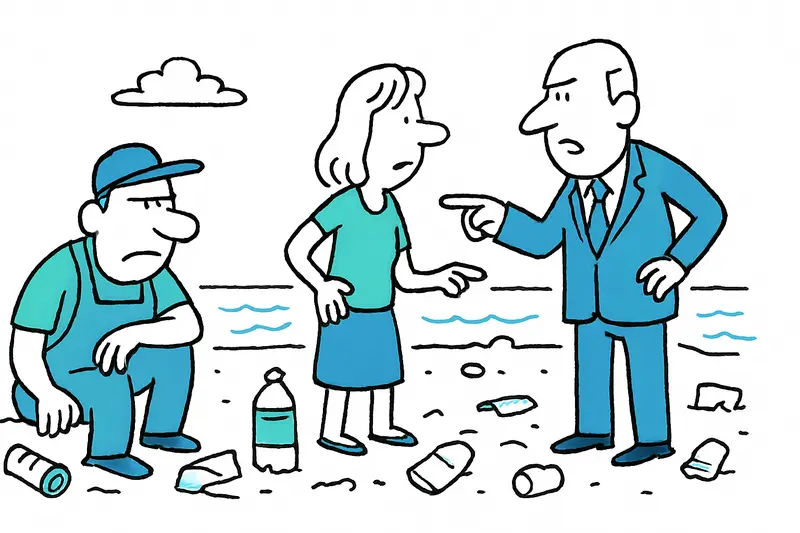
In the early morning, when the street sweepers are still having their coffee at the bar on Avinguda Miramar, the stretch of beach in front of El Arenal is increasingly scattered with plastic bags, empty bottles and snack leftovers. The seagulls pick through them as usual, but the yellow bins are overflowing in places. This is not a technical failure — it is the result of a labor conflict: after the concession of the company Mar de Mallorca ended in November, there apparently is no longer a responsibility for cleaning and maintenance, around 60 employees have filed a lawsuit, and the city has announced it will join the proceedings. A new operator is not expected to start until April.
Viewed critically, this is not an isolated administrative slip-up but an example of missing transition rules in public service contracts, as residents outlined in Playa de Palma Demands Responsibility: A 36-Point Plan for Cleanliness, Greenery and Safety. Beach cleaning is a seasonal public service on the island, which has also been highlighted in Who Protects the Rescuers? 'Collective Drowning' at Playa de Palma Sparks Debate on Working Conditions: the piles of rubbish are not only an aesthetic problem for sun-seekers and hotel guests, they also create hygiene and environmental issues. Microplastics, dirty promenades, drains clogged after rain — all of this is visible in the short term and costly in the long term.
Important to note: the employees say they have sued over allegedly unlawful dismissals. That needs to be legally examined. In practice, however, a vacuum is created: the city has announced it will join the procedure, and the trial is scheduled for January. Until a new company starts in April, there is a risk of a gap of several months. During this time, sections of the beach will remain without regular emptying and maintenance.
What has been lacking so far in the public debate are: first, the perspective of the employees. It is not only about jobs but also about knowledge of the coast sections, working hours during peak times and experience in dealing with tourist flows. Second, contractual duties for handover between two concession holders — such clauses should be standard but apparently are not effectively enforced. Third, clear contingency plans are missing: who takes over if an operator fails — the city, the island council, or a temporary tender?
A small everyday impression makes the lack of planning tangible: a pensioner from Llucmajor who walks his round on the paseo every morning stops, shakes his head at cigarette butts on the sand and asks whether cleaning will really only resume in April. In cafés, waitstaff report guests who prefer to go elsewhere because of the rubbish. Such remarks and conversations are indicators of the damage to the image — and the economic losses for small shops along the promenade, as discussed in Price shock at Playa de Palma: Who pays for the beach?.
Concrete solutions can be put together sensibly and quickly. Short term (within days to weeks): the city should deploy a temporary emergency team — personnel from municipal services, temporary work agencies or other city resources — to ensure basic daily cleaning. A limited emergency contract obligation with a clear cost-sharing arrangement should be decided by the city council. The city can also coordinate volunteers, neighborhood groups and local hotels to reduce visible hotspots, without shifting responsibility onto volunteers.
Medium term (until a new operator takes over): contract terms in future concessions must include mandatory handover protocols, clear deadlines for staff transfer and financial securities (e.g. deposit or surety) so the city is not left empty-handed. Tenders should include a section for "transition services." Legal support for affected employees should be a guaranteed part of every concession.
And long term: the administration should integrate contingency plans into tourism and urban development. That means: established operating models for seasonal services, transparent controls and a publicly accessible register with contacts for disruptions. That protects beaches, residents and the island's reputation.
Who ultimately pays the price? The answer is not only economic: it is the people who work on the beach and are currently in limbo. It is the business owners along the paseo who may have fewer customers tomorrow. And it is the public interest in clean coasts. A court date in January may clarify legal issues — but the city can and must act now so that the sand does not become the victim of administrative mistakes again.
Conclusion: the current situation at Playa de Palma shows that good procurement practices and contingency planning are not luxuries but protective mechanisms for jobs, the environment and tourism. If the court case sends a signal that handovers and workers' rights are taken seriously, that would be a gain. Until then: don't just sue — act.
Frequently asked questions
Why is Playa de Palma seeing more rubbish on the beach right now?
Is it still safe to swim at beaches in Mallorca when beach cleaning is delayed?
What happens in Mallorca when a public cleaning contract ends and no new operator starts immediately?
Who is responsible for beach cleaning in Playa de Palma during the dispute?
What problems does rubbish on Mallorca beaches cause beyond the bad appearance?
Will Playa de Palma stay dirty until April?
What can Mallorca authorities do quickly when beach cleaning breaks down?
Why does the Playa de Palma dispute matter for residents and local businesses?
Similar News

Palma Gets a Welcoming Park: Tirador Goes Greener — and a Café Is Coming
A new green project in Es Fortí/Camí de Jesús will transform the old Voltadora into a city park with an experience fores...
Why the End of "Los Últimos Mohicanos" Is More Than the Closing of a Bar
With squealing tires and one last glass, an icon on the Palma–Manacor expressway closes. Why the demise of this German b...

Protest camp on Plaza España: Who asks for solutions to the right to housing?
Around 30 activists set up a tent camp on Palma's Plaza España to push for stronger tenant rights. Our analysis asks: Ar...

In the Name of a Gang: Alleged Extortion in El Molinar and What It Reveals About the Protection of Sex Workers
A man is accused of posing as a member of the Hells Angels and extorting two women at accommodation in El Molinar. The s...

When Chile Meets the Mediterranean: A New Flavor at Can Bordoy
At Can Bordoy in Palma's old town, Chilean chef Jhonatan Maldonado combines Patagonian seafood with Mediterranean island...
More to explore
Discover more interesting content

Can Cap de Bou

Townhouse Lleo 72
