
Alarm on the Coast: Why the Lifeguard Strike in Mallorca Is More Than a Labor Dispute
Lifeguards in Palma and Calvià have announced an open-ended strike. Behind the labor dispute are not only wages but structural problems that affect beach safety, tourism and island life.
Lifeguards in Mallorca announce open-ended strike – who will pay the price?
In the morning, while the seagulls still cried and the first coffee steamed in a thermos, a lifeguard at Playa de Palma handed over his shift. The mood was serious, the wind fresh from the northwest, and the concerns were openly on the table: temporary contracts, real wage losses and staffing levels that on some days verge on improvisation. According to the unions, an open-ended walkout begins on September 28 – officially in Palma and Calvià, de facto a wake-up call for the entire island, as shown in Lifeguards in Palma: When Wooden Crosses Speak Louder Than Megaphones.
The key question
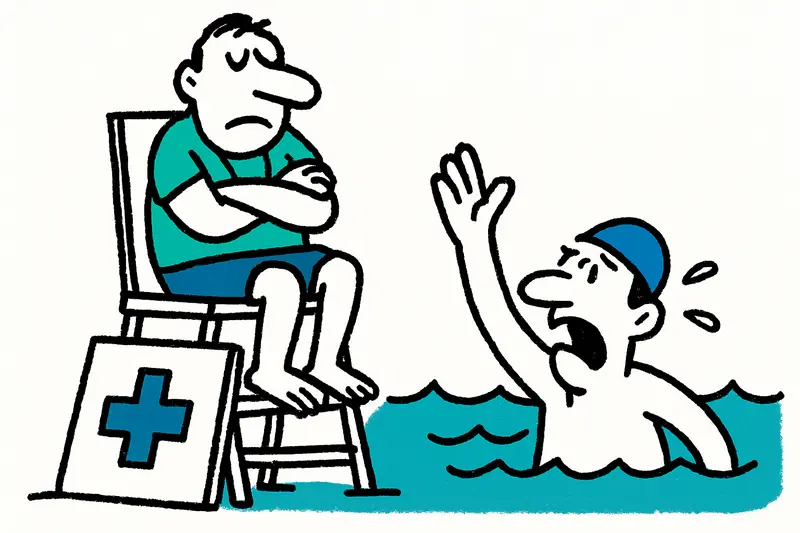
Who will protect bathers if the professionals are no longer there? This is not just a rhetorical question. It is about concrete risks on the beaches, liability issues and the question of how an island functions that relies heavily on summer tourism but keeps its waterfront staff in permanently precarious employment.
What is behind the strike?
The main reasons are known, but their interconnection makes the situation explosive: wages that do not keep up with inflation; short, temporary contracts that make housing and life planning impossible; and the practice of cutting positions outside the season, a problem highlighted in Who Protects the Rescuers? 'Collective Drowning' at Playa de Palma Sparks Debate on Working Conditions. Added to this is a feeling that municipalities and private operators save money by relying on cheaper or insufficiently qualified personnel. That reduces costs in the short term but increases the long-term risk on the beach.
Who is affected by the strike – and how severely?
Beaches in Palma and Calvià are directly affected; similar protests have been announced on neighboring islands, and recent demonstrations such as Lifeguards stage protest at Can Pere Antoni — a wake-up call for Mallorca's beaches show the scale of demands. Does this mean open beaches without surveillance? Not necessarily everywhere immediately, but lifeguard services will be absent in their usual form at some sections. For tourists this means increased vigilance; for locals the question is whether the municipality will respond with temporary closures, more warning signs or redeployment of staff.
Aspects that are rarely mentioned
Less discussed are liability issues, insurance coverage when services are reduced and the psychological strain on the remaining teams. Recruitment of young lifeguards also suffers: who wants to work on probation for a year if the rent is higher than the salary? And: Mallorca’s reputation as a safe travel destination is at stake – bad news in the shoulder season can have effects that last for months.
Concrete solution approaches
The dispute needs more than symbolic gestures. In the short term, transparent deployment plans, more warning signs, mobile emergency points and clear rules for temporary beach closures are necessary. In the medium term, demands should include wage indexation to the cost of living, longer contract durations, mandatory minimum staffing levels and shared financing of personnel by municipalities and tourism operators, guided by Balearic Government information on beach services. In the long term, an island-wide qualification and housing support program for lifeguards could help – scholarships for training, subsidized accommodation in the low season or a centralized personnel placement service.
What can tourists and residents do now?
Find out before you go into the water: check local notices, follow guidance from the police and municipal authorities, consult Calvià municipal notices, and when in doubt avoid sections without service. Small measures help: form swimming pairs, do not leave children unattended and respect lifebuoys and rescue stations. If you work in hospitality or run a beach bar: talk to your municipality about an emergency plan.
This strike is more than a conflict over wages. It shows how public safety and tourist infrastructure are closely linked. The solution must come from multiple levels – from the municipality to hotel chains. I remain on the coast and will report further when shifts look different again.
Frequently asked questions
What does the lifeguard strike in Mallorca mean for beach safety?
Which beaches in Mallorca are affected by the lifeguard strike?
Is it safe to swim in Mallorca if there are no lifeguards on duty?
Why are lifeguards in Mallorca going on strike?
What should tourists do in Mallorca if a beach has reduced lifeguard cover?
How could the lifeguard strike affect Palma beaches?
What are the main demands of lifeguards in Calvià?
What can beach bars and hotels in Mallorca do during the lifeguard strike?
Similar News

Maribel: Five Decades of Service – Housekeeper from Peguera Celebrated with a Special Honor
Over 50 years in the hotel business: María Isabel “Maribel” Molinos was honored in Palma at the Nit del Turisme by Unive...

Orange Alert over Parts of Mallorca: Are We Prepared?
Dark clouds and an announced wet spell have triggered an Orange alert in parts of Mallorca. A reality check: what's miss...

Sundair & Co.: Sale speculation and what it could mean for Mallorca
Rumors about a possible sale of the airlines Sundair and Fly Air 41, which belong to Schauinsland-Reisen — and whether b...
Anne Wünsche in Mallorca: A job offer with a catch — who fits the role of personal assistant?
Influencer Anne Wünsche has left Berlin and is urgently looking for a full-time personal assistant in Mallorca. Why the ...

Daily from New York: Palma Between Boom and Strain
United will increase the Newark–Palma route to daily flights in 2027 using Boeing aircraft (231 seats). What does the in...
More to explore
Discover more interesting content

Can Cap de Bou

Townhouse Lleo 72
