
Llaüt rams breakwater in thick fog: What is missing now
Llaüt rams breakwater in thick fog: What is missing now
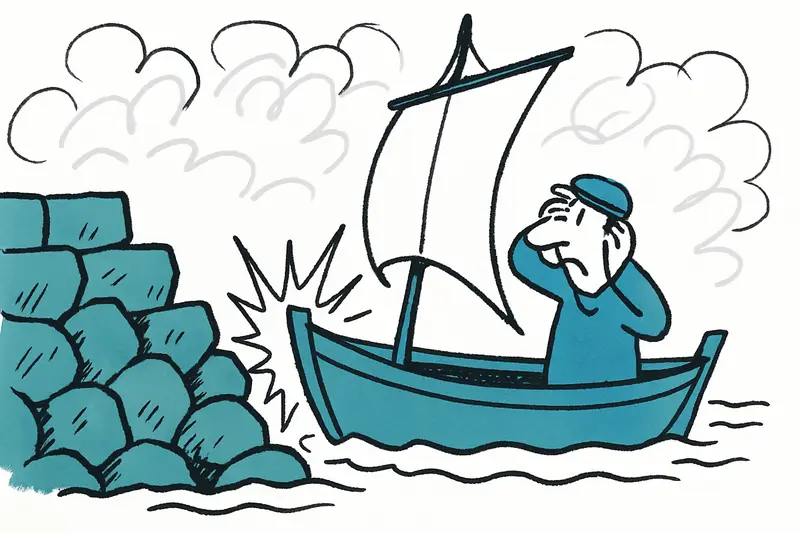
A traditional llaüt collided with a breakwater in Cala Gamba early in the morning in dense fog. Two men were rescued and one was taken to hospital. One question remains: why do such accidents happen repeatedly, and what can the port, authorities and coastal community do concretely?
Llaüt rams breakwater in thick fog: What is missing now
Leading question: Why do harbor maneuvers in fog so often endanger small boats?
Early on Monday morning, around seven o'clock, a patrol from the Citizen Aid Group (GAC) reported to the National Police a boat that had struck something in dense fog and run aground. It was a traditional Llaüt near the harbor of Cala Gamba, not far from Palma. Two men were taken from the boat by officers, rescue teams and harbor staff; one of them was taken to hospital for examination. The unanimous impression on site was that dense fog, which made orientation difficult, was the main cause.
In short: a classic scene that is not new here. Similar incidents were reported in A refugee boat capsizes off Cala Millor: one person dies, several seriously injured.
Critical analysis
First: visibility and equipment. Many llaüts are simple, robust boats built for coastal waters and wind. They do not always have modern electronics: no radar, no AIS, sometimes only a basic GPS or solely the helmsman's knowledge of the charts. At visibility under 100 meters this is a risk. Second: harbor infrastructure. Breakwaters are hard to miss in clear daylight; in fog, reflective markings and automatic audible warnings quickly become ineffective if they are not regularly maintained. Harbors can experience a variety of accidents in constrained spaces, from vessels to vehicles, as in Car Plunges into Ciutadella Harbor Basin: Who Could Have Prevented It? Third: alarm chains and communication. Small crews often rely on mobile phones or visual signals. The report to the GAC apparently arrived, but the minutes until help can set out are decisive in cramped harbors.
What is missing from the public debate
There is a lot of talk about large ships, airport operations or tourism. The vulnerabilities of small professional fishermen and recreational skippers, however, rarely make the agenda: low-cost equipment upgrades, local emergency plans for fog, regular maintenance of harbor markings and practical rules for behavior in restricted visibility. Low-threshold training is also rarely discussed – short courses tailored to the challenges of llaüts and other small vessels.
Everyday scene from Cala Gamba
Imagine the harbor at dawn: gray sky, the ticking of individual engines, the cries of gulls, the smell of sea and diesel. Fishermen haul nets, some repair at the quay wall, passersby are seldom there so early. Then the fog comes – everything grows quiet, sounds change, colors fade. At that hour people rely on experience and the small technical aids on board. When these are missing, every boat-width is a risk. The stakes are high, as shown in Two Dead on Balearic Coasts: When the Sea Withholds Answers
Concrete solutions
- Improve visibility on land and at sea: reflective, regularly inspected markings on breakwaters and buoys; simple acoustic signals at critical points that automatically activate at visibility below a set threshold.
- Equipment support for small boats: subsidies or rental models for AIS transponders, radar reflectors and compact radars specifically suitable for traditional boats.
- Communication requirement in poor visibility: mandatory reporting to the harbor master via VHF channel or a simple app before maneuvering in narrow approaches.
- Local training: short courses for llaüt owners on fog maneuvers, radio communication and emergency procedures; organized by the harbor authority, fishing community and rescue services.
- Emergency planning and drills: regular exercises by police, rescue teams and harbor staff in realistic fog scenarios; checklists for boat crews.
Conclusion
The accident in Cala Gamba is a reminder: fog is not only a weather event, it is an organizational problem. A mix of better equipment for small boats, visible and audible harbor infrastructure and clear communication and drill routines can significantly reduce the risk of accidents. That costs time and money – but given the narrow channels and short reaction times in our harbors, it is an investment that pays off for the people here. When we stroll along the promenade and the harbor, we should not only admire the silhouette of the llaüts, but also ensure they can return safely.
Frequently asked questions
Why are harbors in Mallorca more dangerous in thick fog?
What equipment do small boats in Mallorca need for safe navigation in fog?
What should you do if a boat runs aground in a Mallorca harbor?
Are llaüts still used in Mallorca, and are they suitable for coastal waters?
Is Cala Gamba in Mallorca a difficult harbor to enter in bad weather?
What safety improvements could reduce fog accidents in Mallorca harbors?
When is fog most dangerous for boats in Mallorca?
What can boat owners in Mallorca do to prepare for fog?
Similar News
Carriages Without Horses: Palma Plans E-Carriages – a Reality Check
Palma plans to switch to electric carriages in 2027. The prototype was shown near the cathedral. What is the technology ...
Record season, empty coffers: Who really benefits from the tourism boom?
Full hotels and more flights: the numbers sound impressive — yet many locals feel no benefit. A reality check with an ev...

Pool ordered for €46,000 – €23,000 paid, no work carried out: A fraud case in Palma
A homeowner in Palma transferred €23,000 for the construction of a pool. Weeks later it emerged that no building applica...
Summer greetings from the Pitiusas island: Gottschalk and Krüger enjoy the sun on Ibiza
A friendly photo of Thomas Gottschalk and Mike Krüger on Ibiza evokes memories of their shared film years and shows that...
Occupied in a Few Days: When Property in Mallorca Turns into a Dispute
Six young men were arrested in Palma after homeowners returned and could no longer open their own door. A case that rais...
More to explore
Discover more interesting content

Can Cap de Bou

Townhouse Lleo 72
