
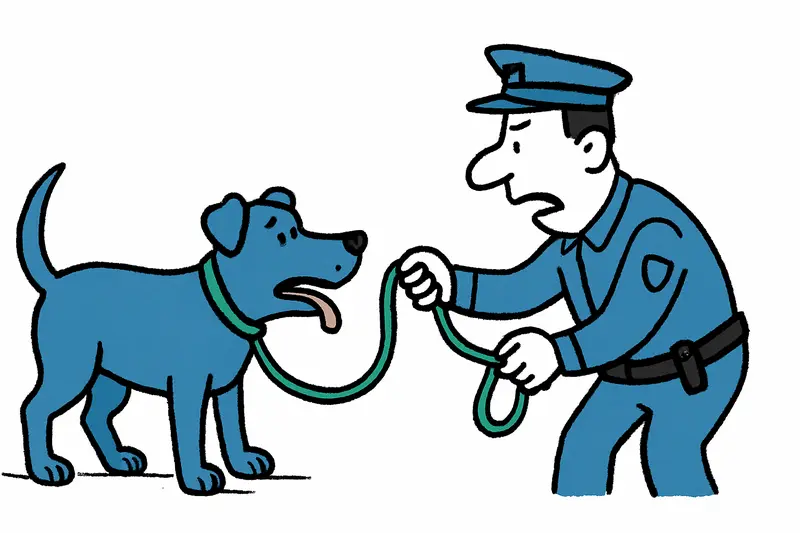
Loose dog on the MA-19: Rescue — and an uncomfortable question
A large dog ran across the carriageway of the MA-19 near exit 12 on Sunday morning. The Local Police captured the animal, took it to the station and alerted shelters. The incident raises broader questions about road safety and owner responsibilities.
Loose dog on the MA-19: Rescue — and an uncomfortable question
Police operation at exit 12 in Llucmajor on Sunday morning — dog secured, owner unknown
On Sunday at around 08:30, Palma's Local Police were needed at two scenes: first a traffic accident on the Camí de Can Palmer, then a report of a large dog running across the carriageways of the MA-19 motorway near exit 12 towards Llucmajor. Motorcycle units secured a lane to recover the animal and prevent further danger. The dog was not wearing a leash or identification tag; the officers took it to the station and notified an animal shelter.
Key question: Why do such situations repeatedly occur in Mallorca — and who is responsible for ensuring that roads and motorway exits do not become hazards for people and animals, as illustrated by a fatal accident on the MA-19 heading to the airport?
The operation is, for now, a success story: the situation was cleared without harm to road users or the animal. But the early-morning scene outside Llucmajor acts as a mirror for several structural problems. The asphalt still smells of petrol and Nescafé from the first cafés, scooters cruise to work, and suddenly there is a dog between the cars — an image nobody needs.
Reasons for such incidents include obvious gaps: dogs without identification tags or microchips are hard to trace, despite initiatives such as the Palma awareness campaign for dog owners. Properties without secure fences, open gates in residential areas around the MA-19 and negligent owners contribute to animals getting onto the road, as in a case when a free-roaming dog injured a four-year-old at a playground in Son Armadans. Added to that: if a person driving under the influence crashes into a wall and the police are tied up, the chance increases that other hazards go unnoticed until they escalate.
In public debate, the connection between road safety and animal control is often missing. People talk about accidents, drunk drivers or stray dogs — rarely together. Also rarely examined are the capacity of shelters, the legal consequences for owners without proper identification, and how quickly police and animal welfare organizations coordinate in such cases, including episodes like the Pollença case of a female dog found in a trash container.
Concrete proposals that could make a difference:
Short term: response protocols that automatically alert shelters and municipal animal control when an animal is reported on a motorway; temporary speed limits and warning signs until the lane is cleared; clear responsibilities for towing or securing measures.
Medium term: mandatory microchip checks during municipal services, information campaigns in neighborhoods around motorway exits, stronger identification requirements and enforceable sanctions for proven negligent owners.
Long term: investments in secure barriers along critical stretches of the MA-19 and other motorways, cooperation between municipalities, police and NGOs for shelter capacity, and subsidies for GPS collars as a preventive measure.
An everyday scene from Palma: a motorcycle officer stops by the café on the square, parks his bike, takes the snare from the trunk — routine, almost casual. Much here runs on practical solutions improvised on site. Still, the question remains whether we want to rely on the improvisational skills of individual officers, or whether we want to systematically prevent animals and people from getting into such situations in the first place.
My conclusion is brief: rescuing the dog was right and necessary. But it also shows that isolated interventions are not a lasting solution. Anyone who travels around Mallorca knows the narrow roads and loose dogs from rural neighborhoods. It's time to turn that familiarity into targeted measures for the safety of passengers, commuters and the animals themselves.
Frequently asked questions
What should I do if I see a loose dog on Mallorca's roads like the MA-19 near Llucmajor?
Who is responsible for preventing road hazards caused by animals in Mallorca?
What short-term measures could reduce animal-on-road incidents on Mallorca's motorways?
What longer-term steps are proposed to prevent animals from entering Mallorca roads?
How do road safety and animal-control efforts intersect in Mallorca?
What can residents do to prevent dogs from entering Mallorca roads around neighborhoods?
Where are rescued stray dogs taken after a road incident in Mallorca?
Are motorway exits around Mallorca, like Llucmajor, a safety concern that needs attention?
Similar News
Cala Rajada: Why the "Sharky's" Keeps Closing — a Reality Check
The "Sharky's" at Cala Agulla is vacant again. High takeover price, expensive rent and a damaged reputation: What is rea...
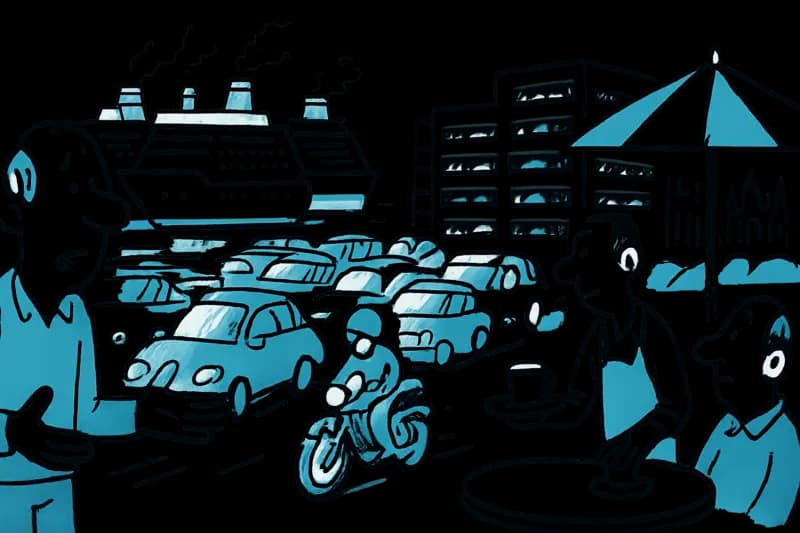
Palma at the Limit: Four Cruise Ships, Full Parking Garages — Where to Put the City?
Over the long weekend Palma burst at the seams in several places: four cruise ships in the port, kilometer-long queues a...
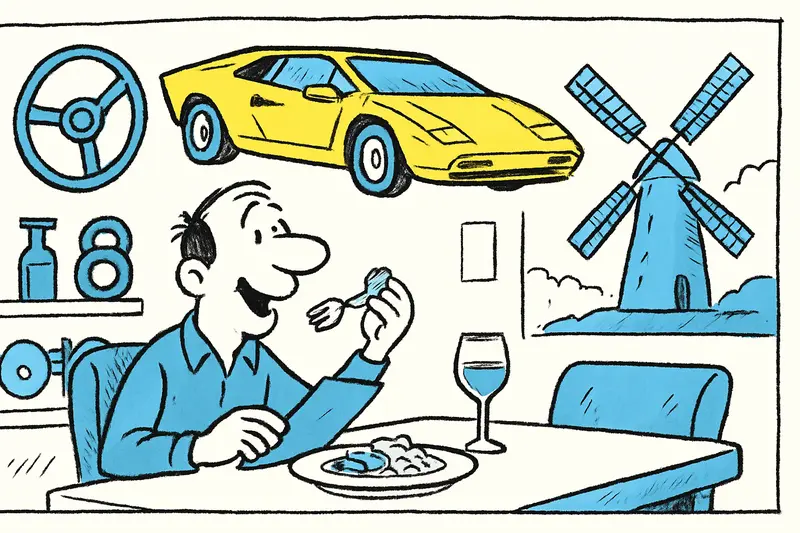
MotorWorld Inn near Palma: Food, Ambience and Why It's Worth a Visit
A restaurant that blends car passion and food: we tried MotorWorld Inn near Palma. Atmosphere, dishes and a few tips for...
Handover by the Water: Why 'Sharky’s' in Cala Rajada Is Up for Sale Again
A sports bar at Cala Agulla, opened in 2024, closed shortly after, briefly revived in 2026 — now the venue is up for tak...
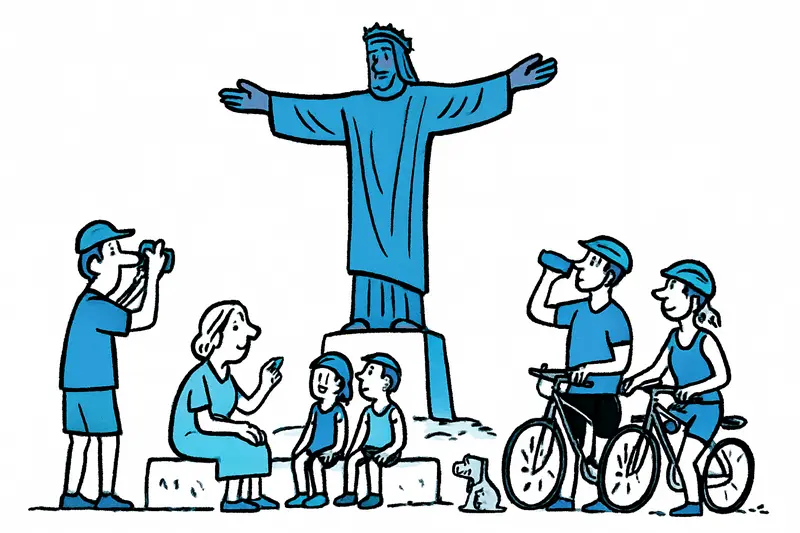
Sant Salvador: The Christ That Becomes a Touchstone for Memory Politics
A statue, 33 applicants and a ministry under review: Why the crowned Christ on the mesa near Felanitx has suddenly becom...
More to explore
Discover more interesting content

Can Cap de Bou

Townhouse Lleo 72
