
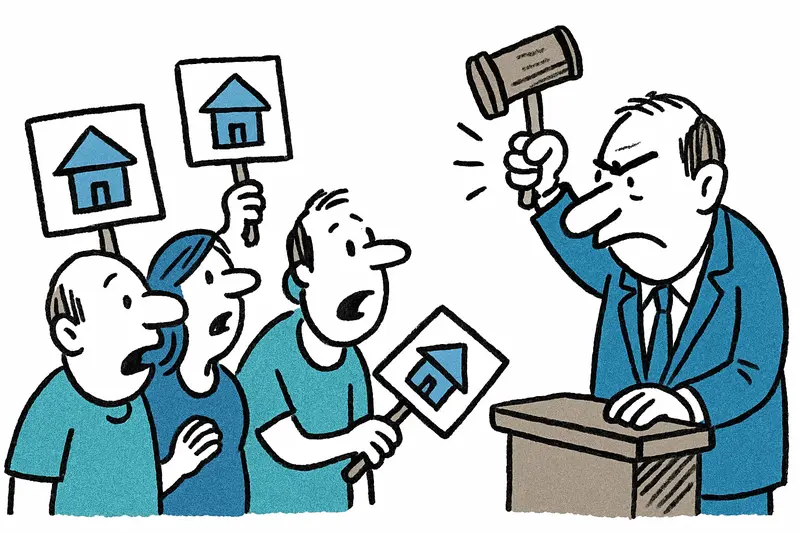
Nine Building Plots in Marratxí: Quick Cash or a Smart Investment?
Marratxí is auctioning nine municipal building plots — estimated proceeds of around €2.6 million are intended for road maintenance and green space upkeep. Why does the auction raise more questions than just money?
Nine building plots, one plan — or just a cash count?
From tomorrow it will begin: Marratxí is putting nine municipal parcels up for auction. Site plans are posted at the town hall, the estimated values add up to around €2.6 million, and Mayor Jaume Llompart stresses that the money is intended directly for road maintenance, care of green areas and small infrastructure projects. At first glance a pragmatic solution: empty plots into private hands, revenues for the municipality's everyday needs, as reported in Marratxí subasta nueve parcelas de construcción — los ingresos se destinarán a proyectos.
The key question
Is this a clever financial move — or are we selling off long-term room for planning and affordable housing? That is the question that is quietly but steadily growing in the town. Anyone standing in front of the town hall doesn't just hear the rustle of paper stacks; they smell pine resin from the avenues and the distant chime of the church clock. That makes it clear: Marratxí is more than a line in the budget.
The parcels are located in purely residential areas near Pont d'Inca and the town center, some closer to quiet side streets, others nearer to transit routes toward S'Arenal. That makes them attractive for families, but also for investors who speculate on price increases.
What is often overlooked
The public discussion is dominated by a simple equation: sold land = money available. But a closer look shows side effects that are rarely named aloud. First: selling to private owners reduces the public stock of building land in the long term — that is irreversible. Second: without conditions there will later be few instruments to counter short-term speculation and price inflation. Third: traffic and infrastructure suffer when new housing is built without prior planning for pressures such as parking demand, childcare needs or safe road crossings.
And one more point: the expected €2.6 million are estimates. Auctions can result in higher amounts — or fall well short if interest is lacking. No one should forget that auctions also produce surprises, and the town hall will probably not be able to predict every development.
Concrete opportunities — and how Marratxí could use them
There are alternatives and complementary measures that could turn the project from a mere revenue source into strategic policy. Some suggestions that the town hall and council members should consider now:
1) Sale with conditions: Minimum requirements, aligned with the EU Energy Performance of Buildings Directive, for energy efficiency, greening and noise protection, as well as a right of first refusal for the municipality in case of speculative resale.
2) Linking to social housing: Reserve a small percentage of the parcels or units mandatorily for local families or subsidized housing, following examples and analysis from Housing Europe on social housing policies.
3) Ringfencing the revenues: Deposit the money into a dedicated fund with an annual report and citizen participation — this prevents the funds from dissolving into the general budget; see OECD guidance on fiscal transparency and ring-fenced funds for related practices.
4) Staggered sales: Do not offer all nine parcels at once. Phased sales would buffer market peaks and give the municipality planning time.
5) Measures against speculation: Resale restrictions (e.g. speculation levy on sales within a short period) or preference for local buyers; for background on the economics of speculation see speculation (Investopedia).
Practical tips for bidders — and neighbors
For those who want to bid: the auction starts tomorrow at 9:00 a.m.; registration and a security deposit are mandatory. One good piece of advice based on years of local observation: view the parcels at different times of day — morning traffic, school breaks and evening quiet make a difference. Check access, connection costs, possible noise exposure from transit routes and the zoning rules in the tender documents, and consult Spain's cadastral search (Sede Electrónica del Catastro).
For residents: ask questions. The municipality should transparently show where the money goes and which obligations buyers must meet. Those standing at the counter tomorrow can safely voice their doubts — the staff often know the plots better than some owners and will listen.
In the end it's about more than an internal fiscal inventory. Marratxí now has the chance to turn a short-term revenue source into a long-term sensible urban development tool. If policymakers act wisely, nine parcels can become nine opportunities for quality of life — otherwise there may remain only applause for short-term figures.
Frequently asked questions
Why is Marratxí selling nine municipal building plots?
Is buying a building plot in Marratxí a good investment?
What should I check before bidding on a plot in Mallorca?
How does a municipal land auction in Mallorca usually work?
Where are the Marratxí plots being auctioned located?
Could selling municipal land in Marratxí affect housing prices later?
How can Marratxí use the auction money in a way that benefits residents?
Can residents in Marratxí question the sale of public land?
Similar News

FC Germania Mallorca aims for the top after just three matches
Newcomer FC Germania Mallorca hosts Deportivo Marratxi on Sunday at the Camp de Futbol La Nova Cabana. New reinforcement...

Etihad comes earlier: More flights between Abu Dhabi and Palma from May
The Gulf carrier shortens its summer break: from 16 May 2027 direct flights with the A321LR and premium cabins are expec...

Sudden braking at a pedestrian crossing in Palma: What this incident says about our streets
Three plainclothes police officers were nearly put at risk by a reckless driving maneuver at a pedestrian crossing in Pa...

Brawl in Palmanova: Two Taxi Drivers Injured – Who Protects the Night Shift?
In Palmanova two taxi drivers were attacked by apparently drunk tourists; one driver was seriously injured. A debate beg...
Etihad brings Mallorca season forward: More flights, more discerning guests
The Gulf airline Etihad plans to bring its Palma connection forward next year and increase frequency. For hotels, restau...
More to explore
Discover more interesting content

Can Cap de Bou

Townhouse Lleo 72
