
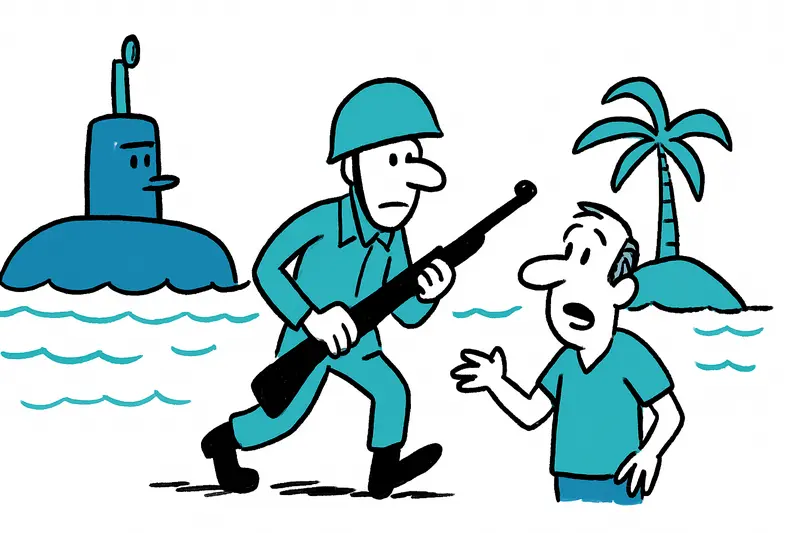
Mine exercise off Mallorca's coast: What the island should know
Mine exercise off Mallorca's coast: What the island should know
From tomorrow, over 500 soldiers and eleven ships will train off Mallorca. Why transparency and coastal protection are now more important than noisy maneuvers.
Mine exercise off Mallorca's coast: What the island should know
Over 500 soldiers, eleven ships and a helicopter are training — and the city opens a door onshore
From tomorrow until Sunday a large mine countermeasures exercise will take place off the coast of Mallorca. According to the announcement, more than 500 soldiers from several NATO countries are involved, eleven ships and one helicopter will operate at sea. On Saturday in Palma (Porto Pi) there will be the opportunity to visit the military ship "Relámpago" and several minehunter boats (10–13 and 16–20).
That sounds like a clear message: the allies are training maritime security. This echoes wider discussion about warships and island strategy in Aircraft Carriers in the Bay: What Role Should Mallorca Play in the New Mediterranean Game?.
For the people here, however, it also raises questions — about safety, daily life and transparency. Precisely for that reason a sober look is worthwhile.
Key question: How is the affected population actually informed about restrictions and possible risks — and what is missing in public communication?
Critical analysis: The facts are sparse but clear: timeframe, scale and visiting times in Palma. What is missing are precise details on exclusion zones, course changes for ferries and excursion boats, noise emissions and possible restrictions for watersports enthusiasts and fishermen. On the charts from harbormasters or the service responsible for shipping one would have liked to see concrete coordinates and forbidden lanes. Without such details much remains speculation — and that creates uncertainty at small quays like Portocolom or Cala Figuera, where fishermen check their nets in the morning.
What hardly appears in the public debate: the impacts on sensitive marine areas. Posidonia seagrass meadows, which offer shelter to young fish stocks, are sensitive to anchoring and underwater sonar. A military exercise can create direct and indirect pressure: not only through physical presence but through altered routes, changed fishing activity and possible noise pollution affecting marine mammals. Concrete information such as environmental impact assessments or accompanying monitoring is not being communicated so far.
An everyday scene: early in the morning the tram runs along the Passeig Marítim, cars honk, the aroma of freshly brewed coffee fills the air. Boat owners at the Mollet of Portixol chat, a young sailing instructor stows sails, retired women sit on a bench and watch the water. On the Paseo Marítim, lifeguards have recently protested, as covered in Lifeguards in Palma: When Wooden Crosses Speak Louder Than Megaphones. They wonder whether their morning harbor walk, the scheduled sailing lesson or the planned dive will have to be canceled. Those small inconveniences are often the first signs that official information does not reach everyone.
Concrete solutions: First, a clear, early and spatially precise information transfer system. A combined notification via harbormasters, AEMET-like sea-area warnings, NOTAM/NAVTEX entries and conspicuous notices in harbors would calm many nerves. Second, a local contact point — a liaison at Palma harbor or a short public briefing in the morning on the Passeig Marítim — so fishermen, boat rental companies and divers receive practical guidance. Third, environmental monitoring. Before exercises occur in sensitive coastal zones, information about protected areas and precautionary measures should be published; where possible a marine biology team should be involved to document safeguards.
Practically this also means: excursion operators and ferry companies need early route information so passengers are not left facing closed quays. Divers and recreational boaters should be informed by radio, notices and social media which areas to avoid. And for the visiting times at Porto Pi it would be helpful if, in addition to opening hours, information on how to get there, parking and security checks were provided — that would prevent chaotic scenes at Porto Pi when many onlookers arrive at once, and local debates over sensors and cameras at beach access points are described in Digital Eyes on Mallorca's Beaches: Protection or Surveillance?.
Punchy conclusion: Military exercises are a legitimate part of security policy, especially in an island region that relies on maritime trade. Nevertheless, the balance must not tip: the safety of the population and the protection of the environment must be considered visibly. Transparency, clear maps and local contacts are simple, effective measures — and would show that security is planned with local interests, not against them.
For those curious this Saturday: the visits to the "Relámpago" and the minehunter boats will take place at Porto Pi, in the morning and evening. For everyone else: keep an eye on notices in the harbors, asking the harbormaster never hurts — and if you stroll along the Passeig Marítim tomorrow you may hear the helicopter, smell the sea and realize quickly: the island is small enough to be informed — somebody just has to do it.
Frequently asked questions
What is the weather usually like in Mallorca in spring?
Is Mallorca warm enough for swimming in autumn?
What should I pack for a trip to Mallorca in the shoulder season?
When is the best time to visit Mallorca for outdoor activities?
What is Palma de Mallorca like to visit in spring?
Is Sóller a good place to go in Mallorca outside the summer months?
Can you still enjoy Mallorca beaches in October?
What is the weather like in Mallorca in the evening during spring and autumn?
Similar News
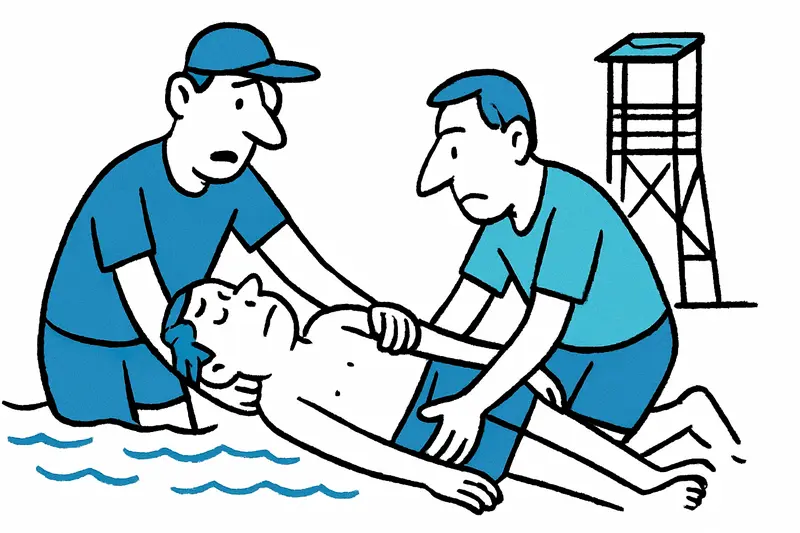
Magaluf: Watchtower Alarm – Lifeguards Pull Unconscious Beachgoer from the Water
After a drama in the late afternoon, two lifeguards at Magaluf beach rescued an unconscious 44-year-old man. He was stab...

Turquoise in the City: How dangerous is the color play of the Sa Riera?
The Sa Riera in Palma suddenly turned turquoise — a pretty motif, but behind the effect lies a discharge of saline waste...

Jeckliner at Sunnesching: Cologne spirit sets sail from Palma
In September 2027 the Mein Schiff 2 briefly becomes a floating carnival stage: four days with Cologne bands, comedy and ...
Finally Home: Mike and Leyla Heiter Buy Villa with Sea View in Mallorca
The reality TV couple Mike and Leyla Heiter have bought a house in Mallorca with a roof terrace and sea view. An Instagr...

Arrest after series in Palma: Who protects apartments from repeat offenders?
The National Police arrested a man in Palma who investigators say may have broken into several apartments. In one incide...
More to explore
Discover more interesting content

Can Cap de Bou

Townhouse Lleo 72
