
More Than One Million: What the Numbers on Illegal Holiday Rentals Really Mean
More Than One Million: What the Numbers on Illegal Holiday Rentals Really Mean
Over a million overnight stays in six months raise eyebrows. Is that a decline — or just another face of the same problem?
More than One Million: What the Numbers on Illegal Holiday Rentals Really Mean
Central question
How serious is the problem of illegal holiday rentals in the Balearic Islands if more than one million overnight stays in the first six months of the year are attributable to such accommodations? And is the government's tougher approach enough to change the situation sustainably?
Critical analysis
The figures available so far show: between January and June more than eight million visitors traveled to the archipelago; more than one million of those were registered as overnight stays 'with friends'. At first glance this seems an improvement compared to the previous year. At second glance the number remains massive. That's more than ten percent of guests officially accommodated not in hotels but in private homes.
What is recorded here as a 'friends' stay has for years on Mallorca been a euphemism for privately rented holiday apartments without registration, without tax payments and often without safety and insurance standards. A decline in absolute numbers says nothing about the distribution of problem cases – in some places a small number of professional providers can generate very many illegal overnight stays. Another uncertainty factor: how reliable are self-declarations at border controls and in statistics? Tourists who declare their stay as a visit to friends often do so deliberately.
What's missing from the public discourse
The debate focuses too much on threats of punishment and duties of private landlords. Important aspects remain underexposed: the role of online platforms that list illegal holiday accommodations, the incentives for homeowners to remove apartments from the regulated market, and the impact on housing and neighborhoods. There is a lack of clear, publicly comprehensible breakdown of where exactly the illegal offers are concentrated: Playa de Palma, Cala Major, old town districts? And there is a lack of transparency about how many reports actually lead to fines and closures, despite a report showing a surge in controls and thousands of removed listings.
Everyday scene from the island
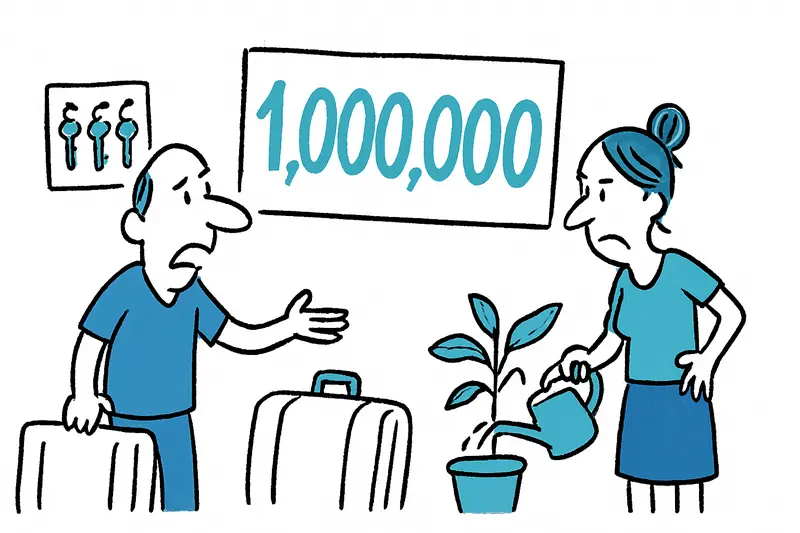
Early in the morning on the Passeig Marítim: delivery vans squeeze past parked rental cars; in a side alley three key rings with holiday apartment names hung on a mailbox recently. The neighbor waters plants, sighs and quietly says she hardly has any peace anymore since guests are constantly changing in the building. This is the other side of the statistic: constant turnover, rubbish in stairwells, violations of house rules.
Concrete solutions
Stronger rhetoric alone is not enough. What the islands really need is a combination of enforcement and clear management:
- Better data and transparency: A public map showing anonymized hotspots of illegal rentals would make controls more targeted.
- Platform responsibility: Clear reporting and blocking obligations for online intermediaries; immediate sanctions against listers and platforms in case of violations.
- Incentives for regulation: Simplified, transparent registration and tax relief for private landlords who legalize – combined with clear rules for rental seasons and guest numbers.
- Strengthen local inspections: More inspections against illegal holiday rentals, coordinated municipal campaigns and a hotline for neighbors to report disturbances – with protection for whistleblowers.
- Protect housing: Municipal measures to prevent apartments in core residential areas from being permanently converted into tourist accommodations, for example through use restrictions or tax deterrents for permanent tourist use.
Missing measures that should be discussed
Politics mentions deterrence. But who controls the controls? And how are fines enforced if landlords live off the islands? In the long term a regional license for short-term rentals that is tied to specific quality and tax obligations could create clarity, especially given an island council analysis revealing a large number of unregistered holiday apartments.
Conclusion – succinct
The figure of more than one million overnight stays in 'unregulated' accommodations is a warning sign, not proof of success. Yes, tougher measures are necessary. Even more important, however, is to change the system so that illegal offers become unattractive: through better data, clear rules for platforms and practical alternatives for homeowners. Otherwise the phrase 'overnight stay with friends' will continue to serve as a cover – and the islands will pay the price in congested streets, rising rents and tired neighbors.
Frequently asked questions
What is the best time of year to visit Mallorca for outdoor activities and beaches?
What should I pack for a Mallorca trip?
Is Palma a good base for a first Mallorca trip?
What are the beaches near Alcudia like for families?
Is swimming in Mallorca possible year-round?
What other activities can I do in Mallorca besides the beaches?
What is Cap de Formentor like and should I visit?
Is it worth exploring Palma's old town?
Similar News

Magaluf: Watchtower Alarm – Lifeguards Pull Unconscious Beachgoer from the Water
After a drama in the late afternoon, two lifeguards at Magaluf beach rescued an unconscious 44-year-old man. He was stab...

Turquoise in the City: How dangerous is the color play of the Sa Riera?
The Sa Riera in Palma suddenly turned turquoise — a pretty motif, but behind the effect lies a discharge of saline waste...

Jeckliner at Sunnesching: Cologne spirit sets sail from Palma
In September 2027 the Mein Schiff 2 briefly becomes a floating carnival stage: four days with Cologne bands, comedy and ...
Finally Home: Mike and Leyla Heiter Buy Villa with Sea View in Mallorca
The reality TV couple Mike and Leyla Heiter have bought a house in Mallorca with a roof terrace and sea view. An Instagr...
Arrest after series in Palma: Who protects apartments from repeat offenders?
The National Police arrested a man in Palma who investigators say may have broken into several apartments. In one incide...
More to explore
Discover more interesting content

Can Cap de Bou

Townhouse Lleo 72
