
Motorhome on the trail: How a traveling gang of thieves targeted the Balearic Islands' luxury neighborhoods
Motorhome on the trail: How a traveling gang of thieves targeted the Balearic Islands' luxury neighborhoods
A mobile gang used a motorhome in several regions of Spain, including the Balearic Islands, to steal high-value goods and cash. A reality check: why mobility helps offenders and what we can do locally to counter it.
Motorhome on the trail: How a traveling gang of thieves targeted the Balearic Islands' luxury neighborhoods
Key question: How were perpetrators able to travel for months between coastal towns in a motorhome and repeatedly obtain high-value stolen goods without being stopped immediately?
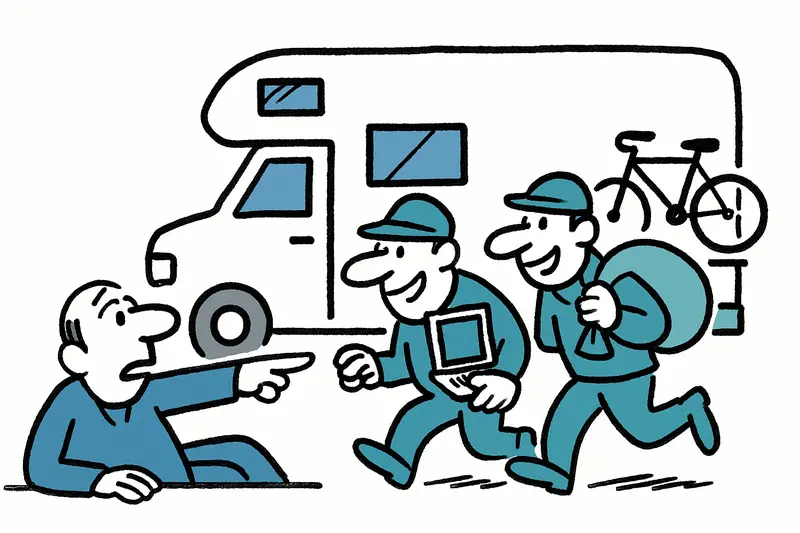
A motorhome, inconspicuous like a tourist camper, was this time used as a mobile storage for stolen cameras, laptops, tablets, headphones and cash. The National Police seized nearly €24,000 in cash as well as numerous electronic devices and jewelry during the arrest in Benalmádena. The group, which apparently operated across Spain, is believed to have committed up to 25 property offenses in various regions and stolen almost €200,000 in total; on Ibiza alone they reportedly stored €60,000 from an assault on an armored cash transport, a pattern echoed in reports such as Organized watch robbers in the Balearics: Why Mallorca must also stay vigilant.
The gang focused on two methods: burglaries and targeted thefts of safes. According to investigators, the suspects, some coming from France, travelled to the Costa del Sol and on to the Balearic Islands. On the islands, offenses occurred in Ibiza towns such as Santa Eulària (including document forgery, shoplifting, thefts from vehicles) and on Menorca a vehicle burglary in Ciutadella. An earlier incident — the theft of a safe with about €8,000 in a shopping center in Elche — was the starting point that provided the investigative lead.
What stands out here: the perpetrators used mobility as a shield. A camper can stay overnight in different places for weeks, change license plates, offer hiding places inside and blend into the tourist scene. Forged IDs were also used: in one case investigators found that a member had more than two dozen identities. Such tricks make investigators' work harder and delay linking offenses to a single group; a related modus operandi has appeared in cases like Disguised as a Guest: Con-Artist Spree Hits Mallorca's Hotel Industry.
Critical analysis: Mobility plus specialization is a combination that repeatedly causes local problems. Regional police forces face three structural hurdles: the rapid movement of offenders across different jurisdictions, the relatively high number of similar individual cases in tourist zones, and gaps in timely networking of intelligence — especially when crimes occur both on the mainland and on the islands. In addition, valuables such as cameras or tablets are easy to transport and quickly sell on the black market, which increases the profitability of such operations; similar challenges in tourist hotspots are documented in New Tricks at Ballermann: How Pickpockets Exploit Playa de Palma — and What Actually Helps.
What is often missing in public debate: concrete tips for residents, hosts and holiday home owners on how to report suspicious campers specifically, and how motorhome parking areas and marinas could be systematically integrated into prevention. Also rarely discussed is how rental car and rental data can be linked more quickly with police information without undermining data protection principles, but with the aim of recognizing recurring patterns early. Practical incidents such as thefts from hotel terraces underline the need for such checklists, as in Robbery in Can Pastilla: Luxury watch worth €6,000 — escape by e-scooter reveals vulnerabilities.
An everyday scene from Palma helps illustrate: on Passeig Mallorca early in the morning, when delivery vans honk and the first cafés brew coffee, a white motorhome with a bike rack sometimes parks in front of a villa. No one is surprised; on Mallorca the sight is as normal as seagull cries and the hum of scooters. It is precisely this everyday normality that can serve as camouflage for perpetrators. A neighbor who notes a seemingly normal camper vehicle often does not know which details would be useful to the police — license plate, unusual entries in vehicle registers, suspicious night movements.
Concrete solutions (practical and locally implementable):
1) Better data linkage between regions: A faster reporting channel between police stations on the mainland and the Balearic Islands for cases with recurring characteristics (e.g. vehicle type, modus operandi) would close investigative gaps.
2) Focus on motorhome parking areas and marinas: Operators could be equipped with police guidance on how to report suspicious behavior (frequent loading and unloading, hurried hiding of items). A simple reporting channel via a short message to the local station is often sufficient.
3) Awareness for tourists and service providers: Hotels, cleaning companies and landlords should receive checklists: take photos of parked campers (license plates), report unusual locking mechanisms on vehicles, never leave valuables visible in a car.
4) Technical aids: Expansion of ANPR cameras (automatic number plate recognition) on access roads and use of existing city cameras for pattern recognition can help reconstruct routes.
5) Link prosecution and prevention: More time for analyzing seized devices and better coordination with manufacturers and platforms where stolen electronics are traded would increase traceability.
Concise conclusion: Traveling offender groups are not a new phenomenon, but their mobility makes them hard to catch. For the Balearic Islands this means: not only the police are called upon, but also neighbors, service providers and local authorities. Those who become more attentive in everyday life — whether a concierge in Santanyí or a neighbor in Port d'Andratx — can help close the gap that a motorhome can provide as camouflage. The question remains current: do we want a seemingly harmless camper to park undisturbed between luxury villas and coves — or do we act locally to end exactly this relationship between mobility and crime?
Frequently asked questions
Why can a motorhome be a useful disguise for thieves in Mallorca?
What should Mallorca residents do if they notice a suspicious camper near homes or villas?
Are motorhome parking areas in Mallorca targets for theft-related crime?
How do thieves use forged identities to avoid being caught in Mallorca and elsewhere?
What kind of valuables do travelling thieves usually steal in tourist areas like Mallorca?
Why are Mallorca's luxury neighborhoods and villa areas attractive to burglars?
How can hotels and holiday rentals in Mallorca reduce theft risk from parked vehicles?
Can Mallorca police connect crimes across the islands and mainland more quickly?
Similar News
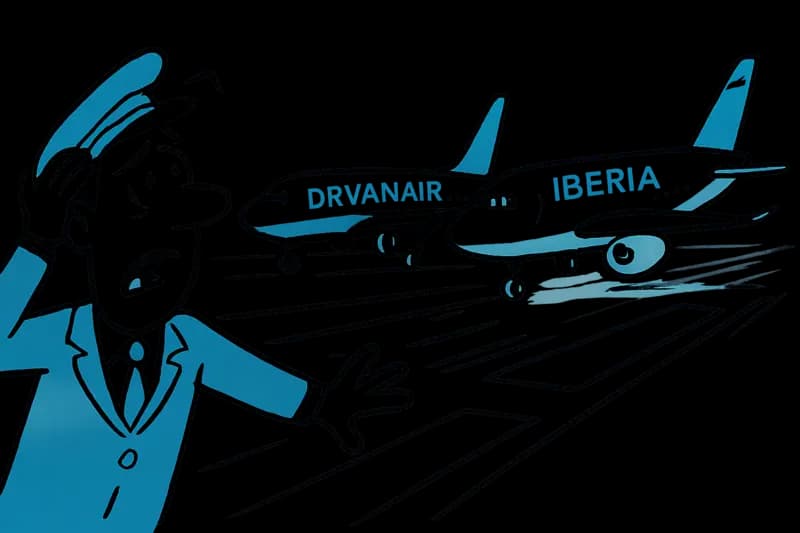
Near-miss on Lanzarote: Landing Ryanair Jet and Iberia Takeoff — what really went wrong
On Lanzarote there was a dangerous incident: A Ryanair flight (FR5910) from Dublin landed on runway 03 while an Iberia E...

Eurowings introduces new Premium Business seats on Mallorca routes
From December 1, selected Eurowings flights to Palma and other destinations will feature eight particularly generous sea...
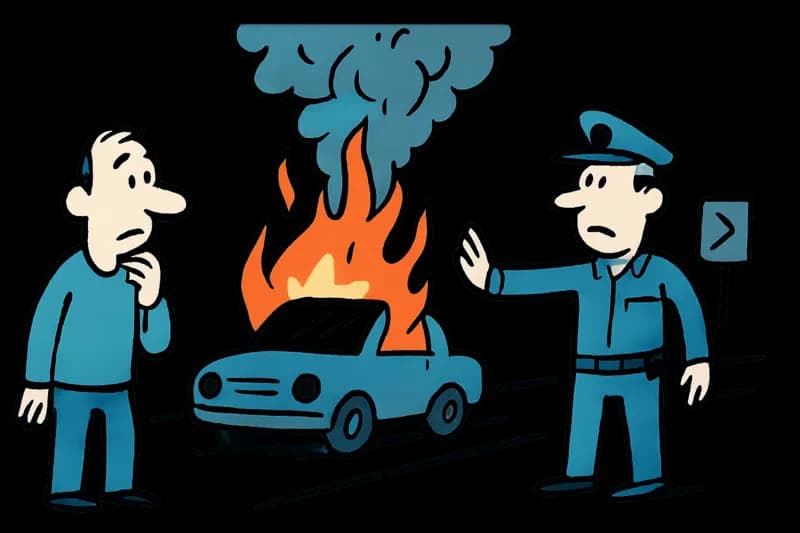
Car on MA-13 near Inca in flames – a safety check for the island
A vehicle caught fire on the MA-13 towards Alcúdia on Tuesday afternoon. The driver was uninjured, the car was destroyed...

Real Estate in Mallorca: Fewer Buyers, Higher Prices — What's Behind It?
Sales on Mallorca are falling, yet prices continue to climb. Why fewer transactions do not equal relief — and what shoul...
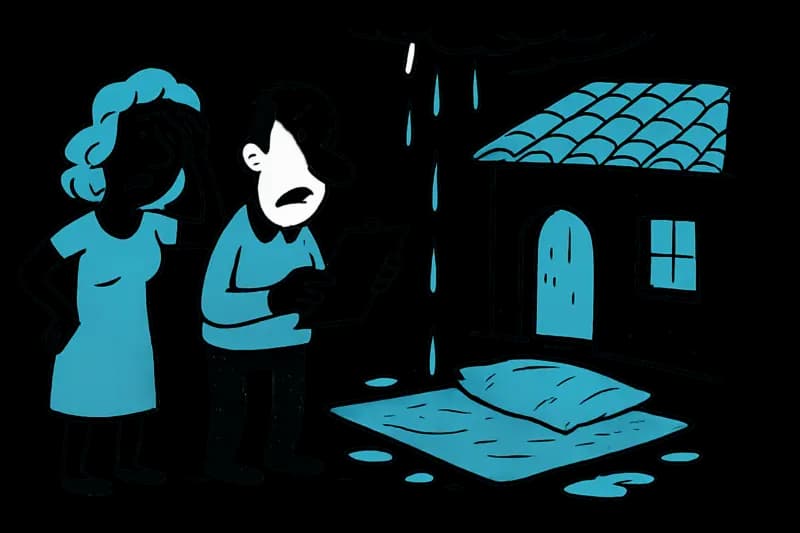
Just Bought — Already Trouble: Water Damage in the Heiters' Villa and What Owners in Mallorca Should Know Now
A newly purchased sea-view property — and within days a water damage. What risks lurk in new properties in Mallorca, and...
More to explore
Discover more interesting content

Can Cap de Bou

Townhouse Lleo 72
