
Nighttime Motorcycle Accident near Sencelles: What's Going Wrong on Mallorca's Country Roads?
Nighttime Motorcycle Accident near Sencelles: What's Going Wrong on Mallorca's Country Roads?
A 27-year-old motorcyclist was seriously injured at night near Sencelles and taken to Son Espases Hospital. Time to take a look at the dangers of the island's roads — and what is missing.
Nocturnal Motorcycle Accident near Sencelles: What's Going Wrong on Mallorca's Country Roads?
Key question: Why do rides on Mallorca's country roads so often end up in hospital corridors instead of at the village square café?
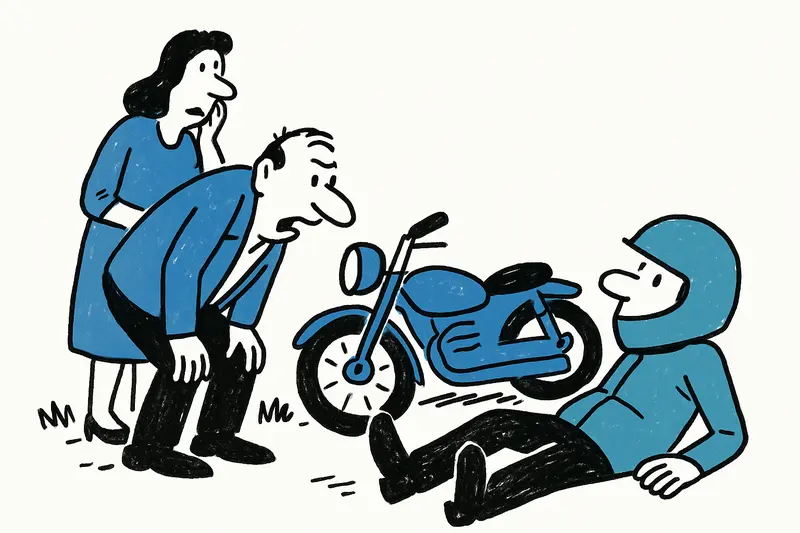
On Thursday night a motorcycle accident near Sencelles seriously injured a 27-year-old man. Emergency crews arrived at the scene at around three in the morning; an ambulance equipped with advanced life-support equipment stabilized the rider on site. The injured man was then taken to Son Espases Hospital; no further details on his condition are currently available.
The bare facts – time, place, transport to Palma – are clear. Much less clear is why such accidents occur regularly on the island, as shown in Three serious accidents in one night: What's wrong with Mallorca's country roads?
It's important to emphasize: we do not know whether alcohol, speed, inappropriate riding, or rider error played a role. No statements on that have been made. But everyday observations from Mallorca fit the picture: many connecting roads between villages date from times when tractors and donkeys were the main traffic. Today those narrow ribbons of asphalt are shared by intense tourist transit, commuters, delivery vehicles and motorcyclists who enjoy the island's curves, as explored in Why Mallorca Remains Dangerous for Bikers — and What Could Really Help.
What is often left out of public discourse: responsibility does not rest solely with riders. Infrastructure deficiencies, unclear signage, lack of resources for regular maintenance of verges and sightlines, and patchy data-driven recording of danger points also contribute. Municipalities like Sencelles – known for their bodegas, almond groves and quiet village life – are rarely top priority in budget allocations. At the same time, missing emergency information systems and long response times for rescue services at night lead to serious delays in treating the injured, as highlighted by Nighttime crash near Son Banya: Who will stop the speeding on Mallorca's country roads?.
An everyday scene many Mallorcans know: in the morning, when the bakery door in Sencelles opens, people talk about a loud engine that shattered the night's peace and then about the ambulance that came along the narrow winding side roads. On the plaça, older residents shake their heads and name the same stretch where an accident already happened years ago. It's not just an isolated incident; these are recurring patterns that deserve attention.
Concrete solutions that should go beyond moral appeals:
1) Map danger spots: Systematic mapping of accident hotspots on the island's roads, including involvement from local driving and motorcycle clubs and repair shops.
2) Check infrastructure for rescue suitability: Keep sightlines clear, redesign unclear junctions, and plan fixed stopping points for rescue access.
3) Network residents and authorities: Rapid reporting systems for dangerous spots; town halls should publish annual priority lists.
4) Prevention instead of blame: Specific safety training for motorcyclists that simulates regional route conditions, including targeted night-riding modules.
5) Improve rescue logistics: Review ambulance locations, equipment and night-time coverage along island routes; strengthen cooperation with hospitals where needed so transfers and handovers run smoothly.
All these measures cost money and nerves – but they cost less than a life or lasting injuries. And they require municipalities, the island government and the people here to come together.
Conclusion: The accident near Sencelles is more than a nighttime entry in the statistics. It is a symptom of a system: good intentions meet roads that are too narrow, poorly visible junctions and limited rescue resources. Those who love Mallorca's quiet inland must now also ask how much safety they are buying for that peace – and which measures can be implemented quickly so that roads become places to arrive, not places of emergency.
At the next café visit on the plaça in Sencelles you can not only praise the almond cake, but also look at the road – and ask whether we'll be better prepared next time.
Frequently asked questions
Why are motorcycle accidents on Mallorca's country roads so common at night?
What should riders know before using Mallorca's inland roads after dark?
What happens after a serious motorcycle crash near Sencelles in Mallorca?
Is Sencelles in Mallorca a risky area for road accidents?
Why do Mallorca's village roads often feel too narrow for modern traffic?
What road safety improvements could help prevent motorcycle crashes in Mallorca?
How fast do ambulances reach injured riders on Mallorca's rural roads at night?
What can local councils in Mallorca do about dangerous country roads?
Similar News

Carriages Without Horses: Palma Plans E-Carriages – a Reality Check
Palma plans to switch to electric carriages in 2027. The prototype was shown near the cathedral. What is the technology ...

Record season, empty coffers: Who really benefits from the tourism boom?
Full hotels and more flights: the numbers sound impressive — yet many locals feel no benefit. A reality check with an ev...

Pool ordered for €46,000 – €23,000 paid, no work carried out: A fraud case in Palma
A homeowner in Palma transferred €23,000 for the construction of a pool. Weeks later it emerged that no building applica...

Summer greetings from the Pitiusas island: Gottschalk and Krüger enjoy the sun on Ibiza
A friendly photo of Thomas Gottschalk and Mike Krüger on Ibiza evokes memories of their shared film years and shows that...
Occupied in a Few Days: When Property in Mallorca Turns into a Dispute
Six young men were arrested in Palma after homeowners returned and could no longer open their own door. A case that rais...
More to explore
Discover more interesting content

Can Cap de Bou

Townhouse Lleo 72
