
Nine-year-old rescued after cliff fall at Cala Murada — How safe are Mallorca's coastal paths?
Nine-year-old rescued after cliff fall at Cala Murada — How safe are Mallorca's coastal paths?
A boy fell roughly five meters down the rocks near Cala Murada. The dusk rescue was elaborate; a helper also had to be rescued. A critical assessment.
Nine-year-old rescued after cliff fall at Cala Murada — How safe are Mallorca's coastal paths?
Rescue at dusk: ropes, pulleys and many questions
Key question: Are signage, access and emergency plans on Mallorca's coasts still sufficient when an accident happens in difficult terrain and night falls?
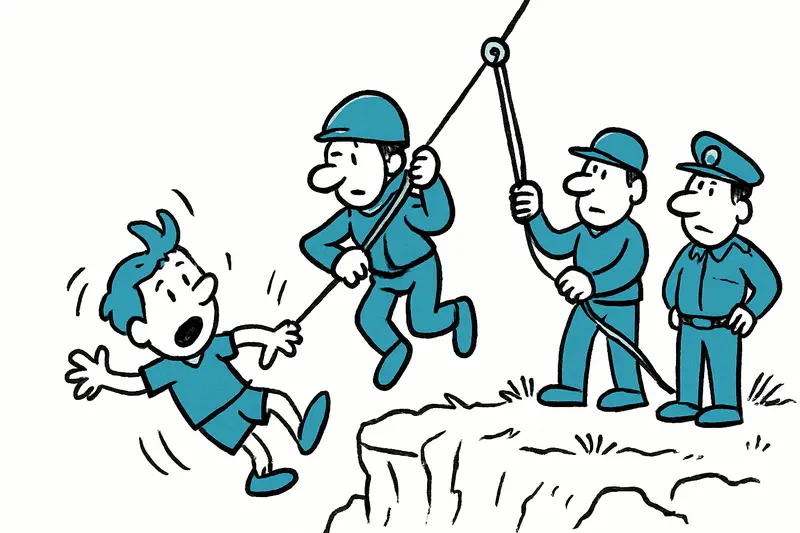
On Sunday evening at around 9 p.m. there was an accident near Cala Murada on Carrer Lisboa, in which a nine-year-old boy fell about five to six meters down the rocks. The fire brigade of Felanitx responded, supported by the mountain rescue unit based in Inca. Because darkness set in, no helicopter could be used; the victim and another adult were recovered on foot using technical equipment. Also on site were patrols from the local police and the National Police, as well as an ambulance from the emergency service SAMU 061. The operation bears similarities to other complex rescue incidents, for example From Mountain to Hospital: What the Rescues at Puig de Galatzó and Torrent de Pareis Reveal About Mallorca's Hiking Tourism.
According to the operations command, the young injured person suffered partly considerable injuries. Further details about his condition were not released initially. Notable about the operation was the additional effort required due to the difficult terrain, the need for rope systems and pulleys, and the fact that a helper who had descended without professional equipment had to be rescued himself.
Critical analysis: In many coastal sections of Mallorca, rugged nature and tourism interests meet. Walkers, families with children and the curious often look for lines that lead to the water. But paths are not always secured, viewpoints are missing or poorly marked, and too often a trail ends abruptly at an edge. When dusk falls, access difficulties and risks for rescuers and those affected intensify; related risky behaviours are examined in reports such as When Dares Turn Deadly: Examining Cliff Jumps on Mallorca's East Coast.
What is missing from the public debate: discussions about technical equipment and coordination of emergency services are taking place, but rarely are preventive measures directly on site addressed: clear exclusion zones, more noticeable markings, public-friendly detours and a standardized system with position markers (GPS coordinates) at critical points. Also hardly discussed is the role of locals and visitors as first responders: when is willingness to help helpful, and when does it endanger additional lives?
A commonplace Mallorca scene: In the evening, when the fishermen in Cala Murada mend their nets and the smell of grilled fish drifts over the promenade, you see families with flashlights stumbling toward the beach. The old man at the bus stop on Carrer Lisboa waves to the children. The mood is relaxed, the island seems safe. Yet it is precisely in such moments that unintended steps at steep rock edges can end dramatically; guides to quieter coves note both appeal and hazards, for example Calm, Rocks, Sea – Mallorca's Quiet Coves Away from the Sand Crowds.
Concrete approaches we should tackle now: 1) Visible, multilingual warning signs and barriers at known danger spots, complemented by clearly visible paths to safe viewpoints. 2) Position boards with precise GPS coordinates at prominent locations so callers can guide emergency services exactly. 3) Regular joint exercises of fire department, mountain rescue, emergency medical services and police specifically for operations at dusk. 4) Keep mobile lighting sets and portable stretchers for narrow, rocky access and exit points ready. 5) Awareness work: information leaflets in tourist centers, brief notes in accommodation information and simple rules for first responders (do not descend without equipment, describe voice and location clearly to emergency services, remember the position).
Another point: Those who, out of helpfulness, enter difficult terrain without safety show civic courage — but put themselves in danger and tie up resources. Such cases should be addressed through clear communication campaigns: helping often means raising the alarm, securing the accident site and providing precise information, not necessarily going down oneself; tragic outcomes of rescue attempts are illustrated in coverage like Fatal Rescue Attempt in Son Bauló: What Must Change on Our Beaches.
The island administration, local municipalities and rescue organizations should ask themselves whether it is worthwhile to systematically record and prioritize danger zones. Some measures are inexpensive (signs, GPS boards); others require equipment or personnel. But the potential benefit for human lives and the reduction of operation-related risks for rescuers is substantial.
Conclusion: The operation at Cala Murada shows more than a tragic accident. It reveals vulnerabilities that become apparent if you look closely: poor visibility at night, hard-to-reach rock edges, and rescue attempts without proper securing. A small package of practical measures would noticeably reduce the danger for visitors and rescuers. It is time to see the issue less as an isolated case and more as a systemic task — before the next evening light fades.
Frequently asked questions
How safe are Mallorca's coastal paths at night?
What precautions should families take on Mallorca's rocky coastlines?
Are there signs and warnings on Mallorca's coastal paths?
How do emergency services coordinate for coastal incidents in Mallorca?
What happened at Cala Murada and what does it tell us about safety there?
Should visitors have GPS coordinates or location markers at Mallorca's dangerous coastal points?
What can locals and visitors do to help during coastal emergencies in Mallorca without putting themselves at risk?
How is Mallorca planning to improve safety along coasts, such as signage, access, and preparedness?
Similar News
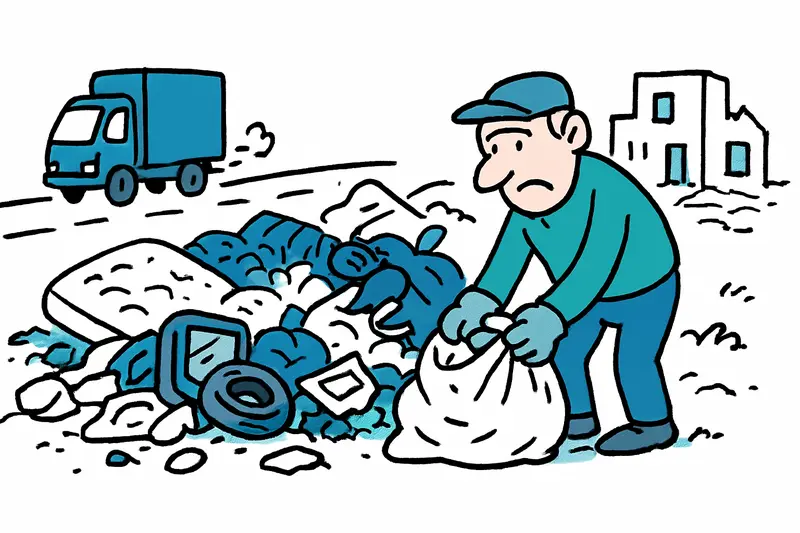
Who will clean up? Illegal rubbish heaps on the highway near Son Gual drive residents onto the streets
For months, construction debris and household waste have piled up along the highway between Palma and Manacor near Son G...
Amundi takes over Bikini Island & Mountain Port in Sóller – many questions remain open
The French asset manager Amundi has acquired the four-star Bikini Island & Mountain Port hotel in Sóller from an Austria...
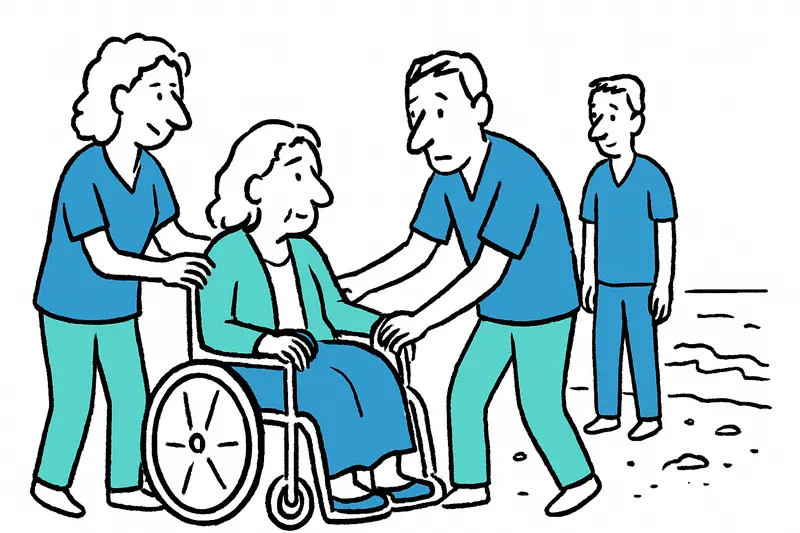
Silvia was allowed to see the sea once more – a small farewell in Port de Soller
A team from the Balearic health service IB-Salut fulfilled a terminally ill woman's wish: one last trip to the water in ...
Magaluf: Imprisonment for Beach Club Employee after Theft of a Bag — What the Ruling Overlooks
A former dishwasher received a one-year prison sentence for stealing a Louis‑Vuitton bag. The appellate court upheld the...
Road collapse at Port de Valldemossa: Who will pay for the next wave of damage?
A section of the MA-1131 near Port de Valldemossa slipped after heavy rains from cold front "Adam". Residents are strand...
More to explore
Discover more interesting content

Can Cap de Bou

Townhouse Lleo 72
