
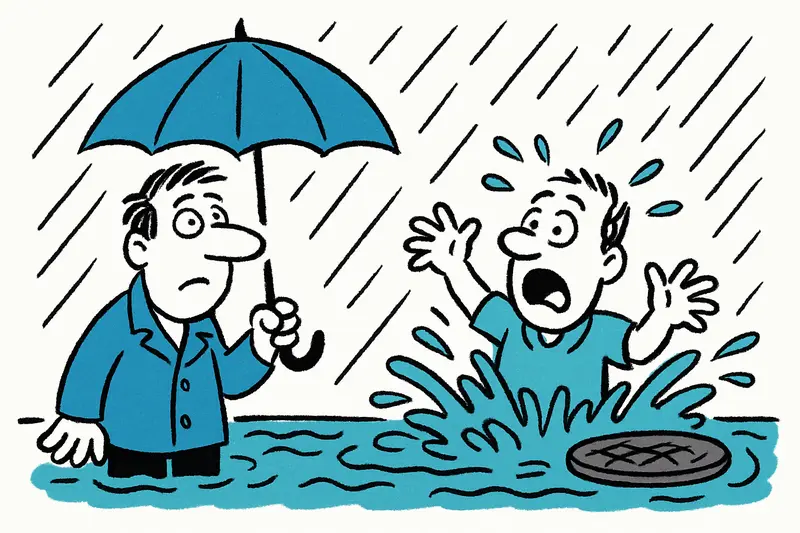
Orange Alert: Rain on Thursday – Are we prepared for rain chaos in Mallorca?
Orange Alert: Rain on Thursday – Are we prepared for rain chaos in Mallorca?
Aemet has declared an Orange alert for parts of Mallorca from Thursday noon. Up to 30 l/m² are expected. A reality check: What does this mean for everyday life, traffic and safety?
Orange Alert: Rain on Thursday – Are we prepared for rain chaos in Mallorca?
Aemet warns for the southwest and south from 12:00, rest of the island yellow – and Friday remains unsettled
Aemet has announced an Orange Alert: Torrential Rains — Is Mallorca Prepared? for the southwest and south of Mallorca: from Thursday midday at 12:00 until the night into Friday, locally heavy showers and thunderstorms are possible; locally up to 30 millimetres per square metre may accumulate. The rest of the island remains on Yellow. On Friday repeated showers are expected, with highs around 23–24 °C. Already on Wednesday afternoon, as reported in Orange Alert: Heavy Rain and Thunderstorms Mainly Affect Northern Mallorca, thunderstorms caused small flash floods on some roads.
Main question: Can we cope with these forecasts – or are we underestimating the consequences of short but intense rainfall amounts?
The sober answer: Between a few wet hours and serious disruption there are often only a few centimetres of water and a few blocked drains. On Mallorca the natural depressions (torrents), our narrow village centres and some access roads are vulnerable. A heavy downpour can turn country roads into lakes within half an hour. The problem is rarely the duration of the rain, but the intensity and local bottlenecks in drainage.
What is largely missing from public debate: we are talking about weather warnings now, but hardly about simple everyday protection measures and local responsibility. Who takes care of cleaning street drains outside the season? When were the channels of the dry valleys last inspected? How quickly can bus services be adjusted if access roads are flooded? And: how do you inform guests who are here for only a few days?
A scene from this morning: on Passeig Mallorca restaurant owners, folding awnings in hand, sought conversation; suppliers pulled crates under canopies to safety; an elderly woman quickly stuffed the flower boxes at the house wall with newspaper. A bus driver announcing a diversion at Plaça de España called people's behaviour pragmatic – 'we know how the weather turns here' – but there was no laughter, rather a tired shrug. Such quick reactions help, but they do not replace planning.
Concrete, immediately implementable suggestions for the coming hours:
For households: Clear gutters, secure loose balcony furniture, avoid storing valuables in basements, protect paths to front doors with sandbags or heavy plastic bags. Call and inform elderly or single neighbours.
For drivers: Avoid flooded roads, do not drive through deep puddles (aquaplaning, hidden potholes), postpone journeys to night-time if possible. When in doubt wait at higher ground instead of blocking traffic.
For businesses and transport operators: Check supply chains for short-notice delays, stop outdoor work, keep alternative bus routes ready and inform customers immediately via social media channels.
For municipalities: Prioritise inspection and clearing of drains and inflows, consider temporary closures of poorly draining sections, especially where residential areas border shallow inflows. Communicate better where emergency shelters or help points are reachable if needed.
In the long term there is often a lack of hazard-zone maps visible to the public, regular drainage maintenance outside the season, and clear information chains for short-stay visitors. A simple measure: notices at ferry and airport terminals and QR codes with short behavioural tips could reach many tourists before they arrive in their holiday area.
A word on relative danger: 30 mm is not a once-in-a-century figure, but can cause major local problems. In places with steep topography or poor sewerage, 10–20 mm in a short time may be enough to close roads and flood basements. The instructive observation from recent storms: peaks arise quickly, are spatially limited and surprise exactly where you don't expect them.
What to do now: take the Aemet alarm seriously but do not panic. Check your surroundings, help neighbours, avoid unnecessary trips during the heaviest showers and keep your mobile phone on to receive local warnings. For acute emergencies use the European emergency number 112; for less urgent matters check municipal channels such as Severe Weather Warning for Mallorca: Are Our Towns and Beaches Prepared?.
Conclusion: Rain is nothing new in Mallorca, but the way precipitation falls has changed. Better everyday protection, some neighbourly help and clear information to tourists prevent most small disasters. Umbrellas are rarely enough – think about drains, parking lots and the elderly neighbour on the first floor.
Frequently asked questions
What does an orange rain alert mean in Mallorca?
Will it still be warm in Mallorca during the rain on Thursday and Friday?
Is it safe to drive in Mallorca during heavy rain?
What should I do at home before heavy rain in Mallorca?
Which parts of Mallorca are most affected by flash flooding?
How bad was the rain in Palma de Mallorca this week?
What should businesses in Mallorca do when heavy rain is expected?
What is the best way to stay informed during storms in Mallorca?
Similar News

Rental Car Theft in El Arenal: What This Incident Reveals About Our Gaps
A teenager steals a running rental car in El Arenal, flees on foot, climbs over walls and is caught by the Guardia Civil...
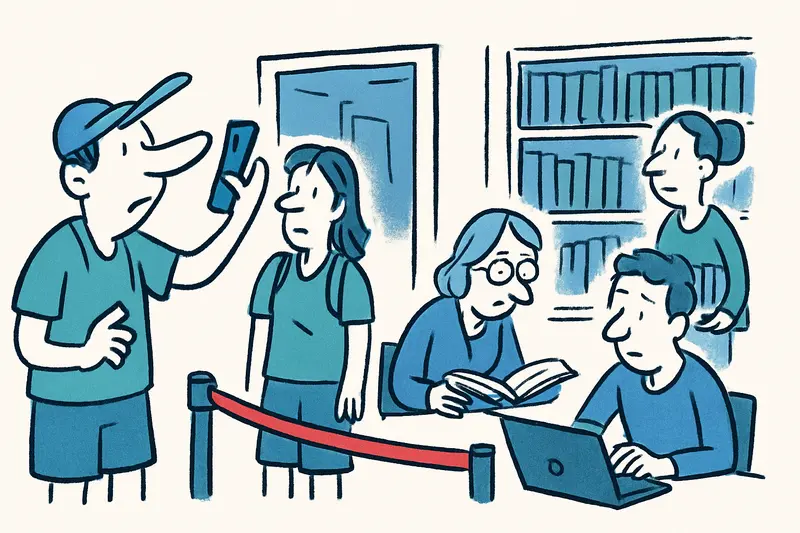
Red Rope in Palma's Library: What Helps Against Selfie Tourism — and What's Missing
Palma's city library cordoned off an area with a red rope to keep selfie tourism away from reading and working activitie...
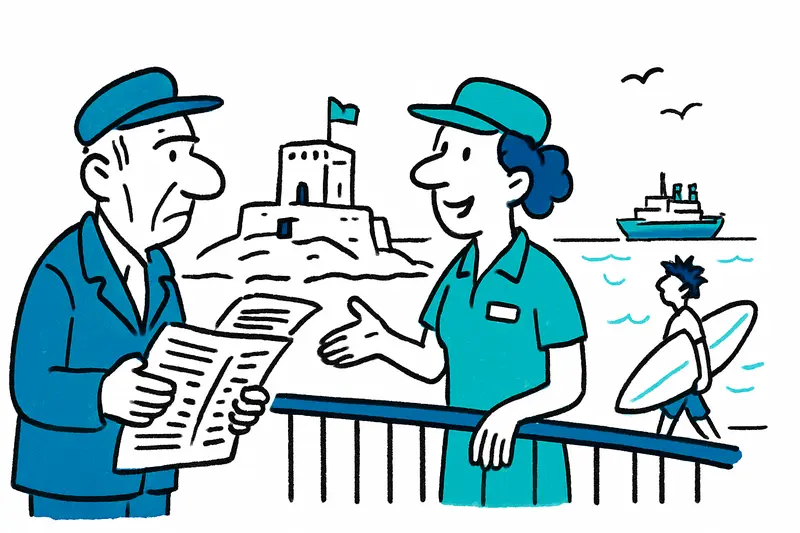
Fort San Carlos: Museum, Harbor Dispute — and a Conflict That Demands Answers
The military museum at Fort San Carlos sits right on Palma's harbor, with unexpectedly quiet rooms filled with cannons a...
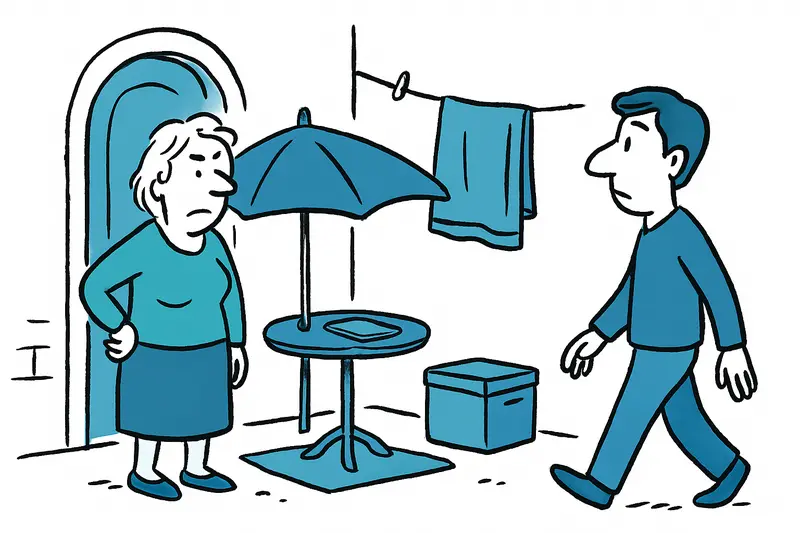
Old Town Under Pressure: When a Doorway Becomes a Sleeping and Shower Place
For months a woman has been living with a parasol, a clothes rack and personal belongings next to the social welfare off...
When Shopping Weighs Heavier: Mallorca Demands a Tax Pause on Food and Fuel
Rising prices are putting pressure on households and agriculture. The Balearic Islands are calling for temporary tax rel...
More to explore
Discover more interesting content

Can Cap de Bou

Townhouse Lleo 72
