
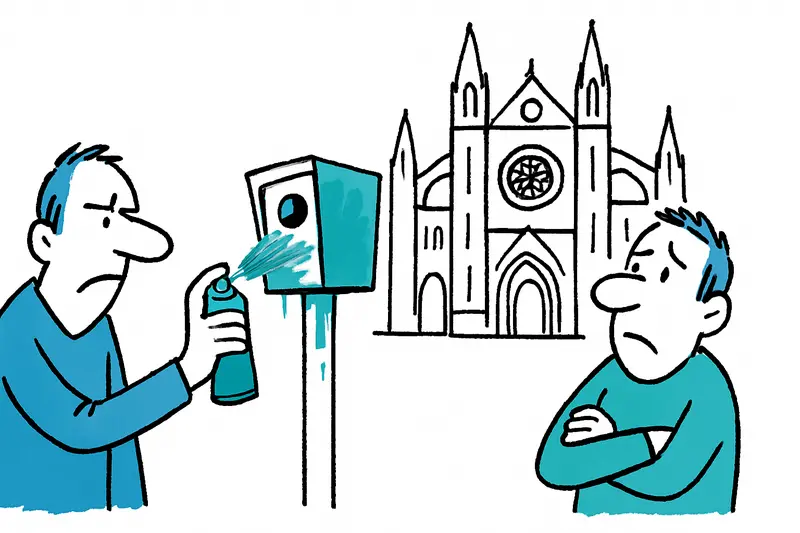
Paint attack on speed camera opposite the Cathedral: Who protects road safety?
Paint attack on speed camera opposite the Cathedral: Who protects road safety?
A radar opposite the Cathedral in Palma was sprayed with paint. The action can disturb licence plate recognition. Who bears responsibility — the city, road users or simply lack of maintenance?
Paint attack on speed camera opposite the Cathedral: Who protects road safety?
Key question: Who owns the street — and who ensures that rules are enforced?
Recently a speed measuring device opposite the Cathedral in Palma has drying paint on it. The device monitors a 50 km/h section and is one of the city's busiest measuring points, as reported in Three new speed cameras on Palma's Cathedral Street: More safety or a revenue source?. The layer of paint can interfere with automatic licence plate recognition. This is more than an aesthetic nuisance: it undermines road safety in one of Palma's busiest zones.
Early in the morning, when the bells of La Seu still reverberate and taxis stop in front of the Passeig des Born, you feel the everyday tension: delivery vans manoeuvre, scooters zip by, and pedestrians try to find their way among the tourist-lit streets. Amid this soundscape stands the black box of the speed camera — now with paint splatters that could cloud the lens. You can see passers-by shaking their heads: less police, more frustration.
Critical analysis: Vandalism of measuring devices is not an isolated incident, as explored in More radar on Cathedral Street: Do the boxes plug the real gaps?. Such actions target not only the technology but also the principle behind it: speed controls are inconvenient for some, lifesaving for others. The attack on the hardware shifts the debate from how accidents are prevented to who is responsible. When devices are damaged, gaps in surveillance arise — and with them potential dangers for cyclists, pedestrians and residents.
What is missing from public debate: reporting often focuses only on the act of vandalism, rarely on follow-up costs, maintenance intervals and the city's response time, a debate echoed in Four speed cameras in 500 meters: safety or rip-off on the Paseo Marítimo?. Less visible is how quickly the authorities repair or clean damaged devices and who pays the bill. Also insufficiently discussed is whether technical measurement alone is enough or if accompanying measures — such as adjusted speed requirements, physical traffic calming or better lighting — are more effective in the long run.
Concrete solutions: First: robust housings with anti-graffiti coatings and regular visual inspections could increase operational time. Second: redundant systems — multiple cameras/angles, improved OCR software — reduce the impact of single damages. Third: visible immediate measures on site, like mobile presence of enforcement officers or temporary displays that instantly show vehicle speeds, have immediate effect. Fourth: transparency from the city about downtimes, costs and maintenance plans strengthens citizens' trust. Finally: prevention through communication — information campaigns in busy neighbourhoods, schools and among businesses — clarifies that this is not about 'ripping people off' but about protection.
Everyday scene as a reminder: One afternoon a market vendor sits at the edge of the Passeig and counts passing cars — she has already seen speeders use the nearby zebra crossing when traffic slows. For her, measuring devices are not foreign objects but a factor that can save lives. When these devices fail, people like her notice it.
What should be done quickly: a rapid cleaning or replacement of the damaged device, a public statement about the incident and a temporary increase in street patrols. In the medium term a plan is needed: technical robustness, complementary traffic calming measures and an open communication strategy that explains the goals of the controls.
Punchy conclusion: Paint on a camera is more than graffiti — it is a stress test for the system that should protect our streets. If administration, police and neighbourhoods do not respond together, all that remains is a cycle of deployments and repairs. And that is expensive — and dangerous.
Frequently asked questions
Why are speed cameras important in Palma?
Can paint or graffiti affect a speed camera in Mallorca?
What happens if a speed camera in Palma is damaged?
Is the area around Palma Cathedral busy for traffic and pedestrians?
Who is responsible for fixing vandalised traffic equipment in Mallorca?
What can Mallorca cities do to protect speed cameras from vandalism?
Why do people in Palma argue about speed controls?
What should Mallorca authorities do after a speed camera is vandalised?
Similar News
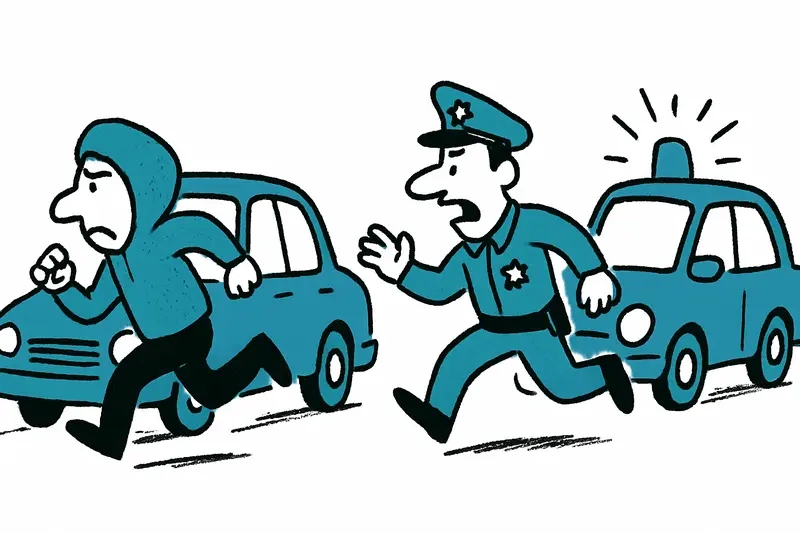
Rental Car Theft in El Arenal: What This Incident Reveals About Our Gaps
A teenager steals a running rental car in El Arenal, flees on foot, climbs over walls and is caught by the Guardia Civil...

Red Rope in Palma's Library: What Helps Against Selfie Tourism — and What's Missing
Palma's city library cordoned off an area with a red rope to keep selfie tourism away from reading and working activitie...

Fort San Carlos: Museum, Harbor Dispute — and a Conflict That Demands Answers
The military museum at Fort San Carlos sits right on Palma's harbor, with unexpectedly quiet rooms filled with cannons a...
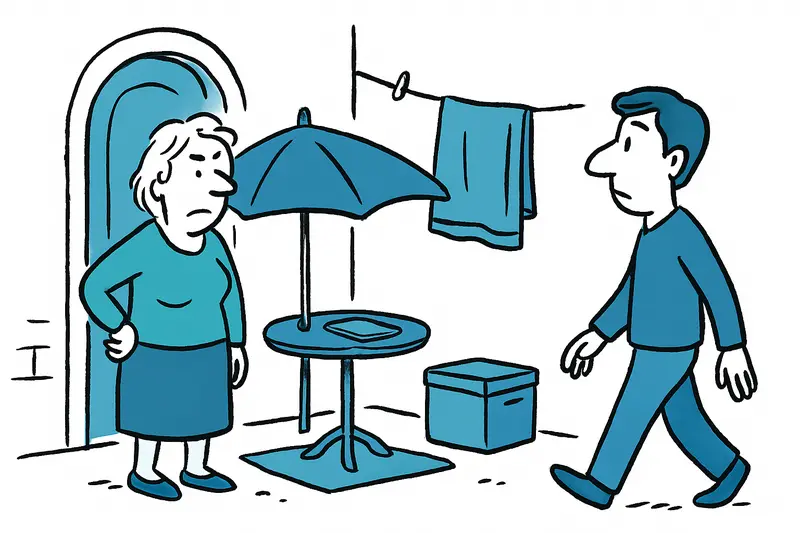
Old Town Under Pressure: When a Doorway Becomes a Sleeping and Shower Place
For months a woman has been living with a parasol, a clothes rack and personal belongings next to the social welfare off...

When Shopping Weighs Heavier: Mallorca Demands a Tax Pause on Food and Fuel
Rising prices are putting pressure on households and agriculture. The Balearic Islands are calling for temporary tax rel...
More to explore
Discover more interesting content

Can Cap de Bou

Townhouse Lleo 72
