
Palma's House of a Thousand Lives: Bingo Balear between Nostalgia and the Building Permit
Palma's House of a Thousand Lives: Bingo Balear between Nostalgia and the Building Permit
An 87-year-old buyer wants to gently revive the venerable building at Plaça Mercat Olivar. Key question: How can Palma protect and use this cultural heritage wisely?
Palma's House of a Thousand Lives: Bingo Balear between Nostalgia and the Building Permit
Key question: Can a café-theatre in the former Bingo Balear be more than a pleasant special-use case — and at the same time truly protect the building at Plaça Mercat Olivar from further devastation, a debate detailed in Demolition in Palma: When Reconstruction Replaces the Original?
The scene is as Mallorcan as the red tile under the bus stop next to the market: in the midday sun, between the smell of roasted chestnuts and the clatter of fruit carts, a disappearance that echoes stories like When the Kiosk Disappears: Palma's Little Kiosks Between Tradition and Planning, the building with its heavy doors stands like a frozen chapter of the city's history. Josep Perelló, 87, bought the house on December 1 for €2.4 million and is now applying for permits. His vision: a café with a stage, perhaps a small cinema, perhaps a restaurant. He says he wants to preserve, not overform.
Historical facts remain stubborn: in 1909 the Teatro Balear opened here, designed by the architect Manuel Raspall, back then seating thousands. Later film screenings, circus guest performances with caged elephants, singers and actors, big names on stage and in the hall. Then came the bingo; the conversion into a casino was reportedly estimated at up to €12 million — the license never arrived, the equipment remained standing.
A look inside makes two things clear. First: the fabric breathes stories. Secondly: the technical equipment is from another era. Blue leather seats stamped "Casino Bingo Balear", gaming tables, slot machines with Egyptian decor, electronic bingo boards, a safe with a 30-centimetre-thick door, armored airlocks, crates full of tokens and a water tank holding 30,000 litres — all still there. Technician Jaime, who knows the place, compares the system to a Ferrari running on Windows 7. A lovely image, but one with warning lights flashing.
Critical analysis: saving a name is not enough. A strategy is needed for usability, safety and financing. The purchase price is only a beginning; concrete tasks are on the table: heritage-law clarifications, fire protection and evacuation plans, soundproofing for the surrounding apartments, accessibility, modern electrical and IT infrastructure. All that without destroying the historical qualities of the spaces. A clear sponsoring structure is still missing: private operator, municipal cultural initiative or a mix — a choice with echoes of recent proposals to revive the old town in When Offices Go to Sleep: Palma's Plan to Revive the Old Town. Each option has consequences for programming, prices and accessibility.
What is missing from the public debate: a reliable feasibility calculation and the perspective of the neighbourhood, an issue explored in Who Owns Palma? When Luxury Quietly Repaints the Working-Class Neighborhoods. Who may use the house, at what times, and at what prices? Will rehearsal slots be created for local theatre groups or will a tourist concept dominate? There are voices fearing merely a trendy gastronomy — that would be a loss for Palma's cultural infrastructure.
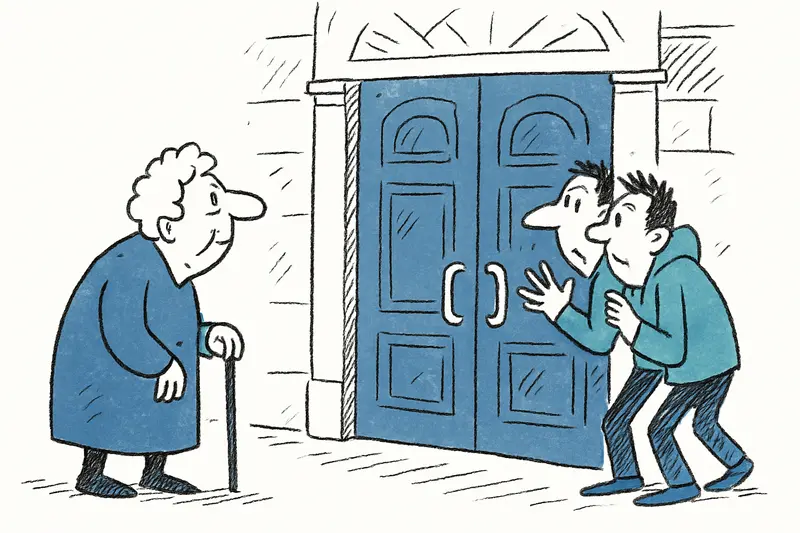
Everyday scene: imagine it's a Thursday evening on Plaça Mercat Olivar. Voices, the ring of a bicycle bell, the smell of spit-roast pork somewhere. At the entrance two teenagers peek curiously through the heavy door; an older woman stops, remembering operetta evenings, the flicker of Audrey Hepburn on the screen. Such moments decide whether a house stays alive or becomes mere scenery.
Concrete solutions: 1) Immediately carry out a conserving stabilization — moisture protection, emergency power and securing historical details. 2) A staged usage model with temporary permits: first a café and small stage, then extended permits for cinema and restaurant after review. 3) Create a public-private operating consortium: the city, a cultural association and Perelló as private partner. 4) Explore funding: Balearic support programs, EU cultural funds, regional heritage grants, and financing dynamics described in Palma at Two Prices: Why the Same Square Meter Can Suddenly Be Luxury. 5) Develop an open usage plan that provides rehearsal spaces for local ensembles, affordable ticket prices and flexible room modules. 6) Technical upgrades with minimally invasive interventions: modern fire detection and evacuation systems, modular stage and lighting technology, IT infrastructure without destroying historical surfaces.
A pointed conclusion: saving the Bingo Balear will only succeed with prudence. An enthusiast who wants to preserve is a good start. But city politics, cultural actors and neighbours must now stand up and set rules. Otherwise hope will quickly turn into an empty hall — full of tokens that never circulate. Palma needs places that breathe stories and also work. That will decide whether this chapter continues or ends as a beautiful fragment in a display case.
Frequently asked questions
What is happening with the former Bingo Balear in Palma?
Can the Bingo Balear building in Palma be saved without losing its history?
Why does the former Bingo Balear need so much work before it can reopen?
What was the Bingo Balear in Palma before it became a bingo hall?
What kind of venue could the former Bingo Balear become in Palma?
Is the former Bingo Balear in Palma likely to become a tourist venue?
What makes the Bingo Balear building on Plaça Mercat Olivar so special?
What is still missing before the former Bingo Balear can become a working cultural space?
Similar News

The Painter Who Invented Himself: How a Young Viennese Drew Mallorca
A hundred years ago a 19-year-old draftsman arrived in El Terreno. His diary and sheets, long known under the pseudonym ...

Released with Conditions: The Plus Ultra Suspicion and a Mallorcan Finca as Residence
A Dutch entrepreneur, sought in connection with the Plus Ultra case, was extradited to Spain after his arrest in Germany...

Haute Nuit in Puerto Portals: Fashion, Art and Indulgence by the Water
On October 2 the Lobster Club in Puerto Portals will be transformed into a stage for curated fashion, art and culinary e...

Magaluf: Watchtower Alarm – Lifeguards Pull Unconscious Beachgoer from the Water
After a drama in the late afternoon, two lifeguards at Magaluf beach rescued an unconscious 44-year-old man. He was stab...

Turquoise in the City: How dangerous is the color play of the Sa Riera?
The Sa Riera in Palma suddenly turned turquoise — a pretty motif, but behind the effect lies a discharge of saline waste...
More to explore
Discover more interesting content

Can Cap de Bou

Townhouse Lleo 72
