
Underwater Hole off Palmanova: Why Beachgoers Often Overlook the Danger — and What Must Happen Now
A ten-metre-wide, two-metre-deep hollow has formed near the shore off Palmanova. Such spots can be life-threatening for inexperienced swimmers. A reality check: who is responsible, what protection is missing, and which quick measures really help?
Underwater Hole off Palmanova: Why Beachgoers Often Overlook the Danger — and What Must Happen Now
Key question: Why does a normal walk into the shallow waters suddenly lead, after a few metres, into a two-metre-deep, dark hollow — and who takes responsibility before something happens?
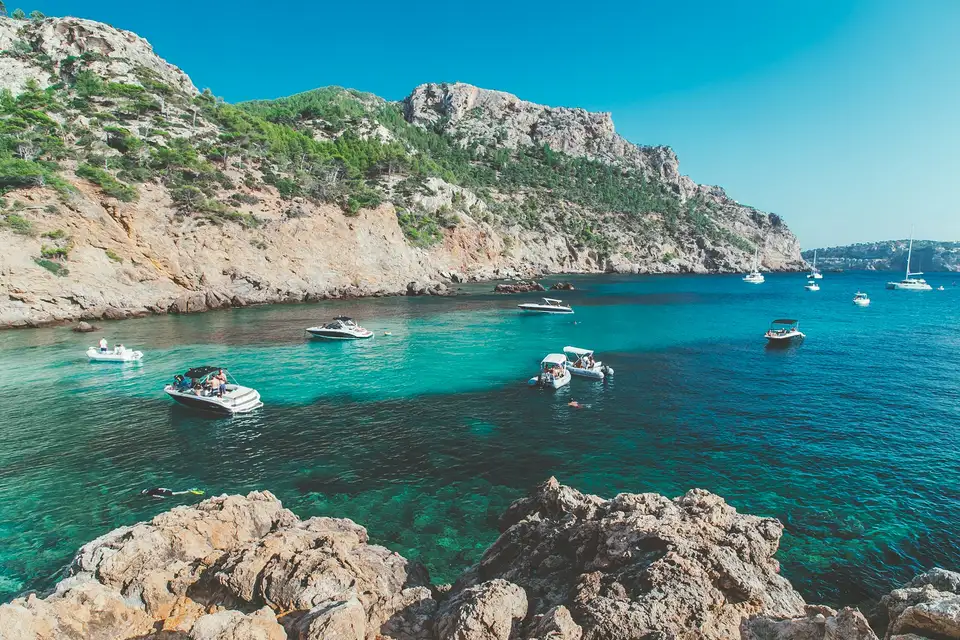
On a sunny morning along the Passeig in Palmanova everything looks harmless: children push buckets in the sand, dog walkers on the promenade greet the coffee vendor, and sunbeds are being straightened. Twelve metres from the shore, where swimmers should still be able to stand, an experienced diver has now found something that can turn the scene upside down: a roughly ten-metre-wide depression in the seabed, up to two metres deep, darkened by dead algae — and shaped like a funnel because currents converge there.
The problem has two aspects. First: the geometry is treacherous. Someone stepping out from the apparently shallow area does not expect an abrupt drop; for non-swimmers and children this can rapidly become life-threatening. Second: appearance is misleading. Dark algae and accumulated debris hide depth and undertows, and from the surface of the water the danger is hard to judge.
Critical analysis: These holes are not a myth; they form when local currents wash away sediment or create whirlpools. Human influences add to this: coastal reinforcements, boat traffic, jet skis and the constant movement of people change sediment transport. Waste left by beachgoers and shipping accumulates near the shore and alters the colour and structure of the seabed — further reducing the visual warning effect at the water surface.
What is lacking: Public debate usually focuses on spectacular accidents or general beach warnings. What is rarely discussed: permanent mapping of dangerous spots, a specific information duty at heavily visited beaches, and coordinated cleaning of the coast and nearshore zone. There is also often no tangible map for bathers — a clear indication such as: "This area is shallow — but after X metres it can suddenly become deep."
Everyday scene: When buses from Palma stop on a Saturday noon, families rush to the sand, retirees carry chessboards into the shade behind the pine trees, and lifeguards change places. No one wants measuring equipment on the beach. Still, many people walk exactly over the described spot — for years, without knowing that beneath the smooth water surface a dark hollow is hidden.
Concrete solutions — immediately implementable:
1. Visible warning and cordoning: Short, multilingual signs on the beach and seasonal buoy lines on the water surface marking endangered areas. A simple measure, low budget, big effect.
2. On-site information: Information leaflets in beach bars, hotels and at bus stops; notices asking that children remain in designated swimming zones and clear guidance for non-swimmers.
3. Coordination with rescue services: Pointing lifeguards to the relevant spots, short briefings at shift start, as seen in the Near-drowning in Cala Vinyes: Rescue raises questions about beach safety. If the municipality of Calvià or the responsible coastal authority has maps, they should be made centrally accessible to staff and the public, as highlighted by the Fatal Rescue Attempt in Son Bauló: What Must Change on Our Beaches.
4. Mapping and monitoring: A one-off, inexpensive bathymetry project (sonar scan from the shore or by drone/boat) shows where depths change abruptly. These data must be public and regularly updated.
5. Cleaning and prevention: Coordinated diving and beach clean-ups with local divers and clubs — combined with information campaigns against marine litter. Waste not only changes the appearance; it can also influence currents and sediment.
6. Seasonal risk map: Many spots change over the year. A map with a traffic-light system (green/yellow/red) for bathing zones, published via municipal websites and AEMET updates for wind/sea conditions, would directly help both tourists and locals and could help prevent incidents such as the Can Picafort: Death on the Beach – Was There Enough Protection Against Water Hazards?.
What is missing so far: A concrete contact point that links communication, mapping and cleaning. Authorities, the municipal administration, the port authority and local businesses need to sit at the same table — short term to mark the spot, medium term to map it, and long term to prevent incidents, and to address not only sudden hazards but medical emergencies such as the Cardiac Arrest While Swimming in Colònia de Sant Pere: A Death and the Question of Prevention.
Conclusion: The dark hole off Palmanova is not a ghost story but a tangible safety and environmental problem. It cannot be solved with general appeals. Short buoys, clear signs, a quick scan of the seabed and regular clean-ups would significantly reduce the danger for the many bathers. If the diving community is already providing tips and collecting rubbish, it is time for the administration and tourism sector to follow with clear steps — before the surprise becomes life-threatening for someone.
On-site note: On the next morning run along the promenade you will hear the usual sounds — scooters in the harbour, seagulls calling, the clatter of sunbeds — and hopefully soon a few additional signs, so that the harmony on the beach is not disturbed by an invisible hole.
Frequently asked questions
When is the best time to visit Mallorca for outdoor activities?
What should I pack for a trip to Mallorca?
Are there beaches in Mallorca suitable for swimming and families?
What outdoor activities are popular in Mallorca?
What can I expect when visiting Palma de Mallorca?
Is Sóller worth a day trip from Palma?
Are there easy beach days near Alcúdia for families?
What should I know about driving in Mallorca?
Similar News
Catamaran on the Rocks: Who Pays for the Damage — and Who Protects the Sea?
A sailing catamaran has been lying on the cliffs near Ibiza since the last storms. The images show more than a stranded ...
Near-drowning off Formentera: 64-year-old in critical condition – Could he have been saved?
A 64-year-old tourist was pulled from the water off Formentera and treated in intensive care. A reality check on causes,...
Hammock in Sa Feixina: Fall exposes shortcomings in public space
A man fell from a hammock secured high in the Sa Feixina park and suffered serious injuries. The incident raises questio...
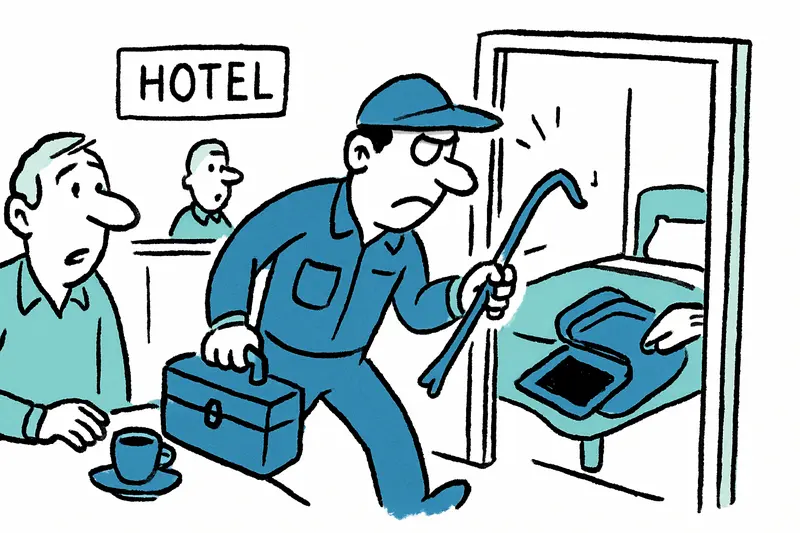
Disguised as a Handyman: How a Thief Robbed Hotel Guests in Manacor — and What It Says About Our Security
A man posed as an electrician in Manacor, broke windows and doors and stole from hotel rooms. Time for a reality check: ...
Legat furious: Germania feels robbed of victory in derby against Marratxí
After a heated local clash in Marratxí, coach Thorsten Legat accuses the officials of manipulation and numerous wrong de...
More to explore
Discover more interesting content

Can Cap de Bou

Townhouse Lleo 72
