
Patrona Concert Returns to Palma on September 5 — How Much City Fits into Parc de la Mar?
Patrona Concert Returns to Palma on September 5 — How Much City Fits into Parc de la Mar?
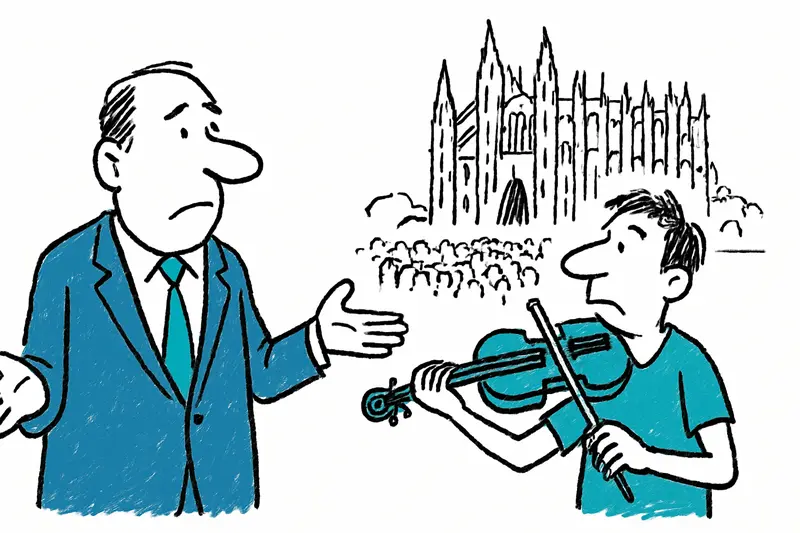
The Patrona concert in front of the cathedral is set to take place again on September 5. The city plans to keep the same schedule and budget. A reality check: culture or an expensive summer spectacle?
Patrona Concert Returns to Palma on September 5 — How Much City Fits into Parc de la Mar?
Main question: Is the open-air electronic music event a gain for Palma — or an expensive event with blind spots?
At the foot of the cathedral, where the sea breeze mixes the smell of salt with the voices of passersby, a large concert is scheduled to take place again on September 5. The Patrona concert is returning to Parc de la Mar, exactly where around 30,000 people stood and danced last year. This attendance was reported in Patrona in Palma: 32,000 on the Paseo — Festival, Fireworks and the Cost Question.
That sounds like summer, audience and lightness. At the same time, it is a significant item in the budget — and therefore the right place for questions that are often neglected in public debate.
Critical analysis: First the simple calculation. €332,000 for a single event is no small amount when weighed against long-term investments: road repairs, noise insulation for schools, less visible but tangible projects for residents. With an attendance of 30,000, the city would spend roughly €11 per person in direct expenses; this is a rough but useful reference point. What remains unclear: who pays for what additionally? Security services, cleaning, sanitary facilities, medical standby — all of this often comes on top or appears later in other budget items.
What is missing in the public discourse: first, a clear accounting that shows everything — including sponsor shares, revenue from ticketing or stall rents, and follow-up costs for the cityscape and cleaning. Second, a look at residents: How many complaints were there last year? What measures were taken against noise and litter? Reports on street closures and their effect on residents were published in Patronal festival in Palma: Streets closed — what does this mean for residents and visitors?. Third: an environmental balance. A festival with tens of thousands produces fine dust, waste and additional traffic. Are there concepts for waste reduction or CO₂ compensation?
Everyday scene from Palma: A Tuesday evening in July, the cafés on Calle de Sant Feliu are still open, delivery vans squeeze between parked mopeds, and from Passeig des Born you can hear bass sketches from a rehearsal in the distance. After the concert, bags, plastic cups and cigarette butts often remain between the palms. Residents on the balconies wipe the windowsills more often from the sand that nighttime visitors have left behind. This is the flip side of the festive romance.
Concrete solutions: The city could already provide much more transparency — a public budget sheet that breaks down income and expenses for the concert. Second: strict rules for waste reduction and a mandatory reusable-cup policy; stall operators should be required to use separate disposal containers. Third: noise monitoring at sensitive points, possible night rest rules and a clear end time that also applies to residents. Fourth: mobility offerings — organized shuttle buses from the fairground parking lot or discounted public-transport tickets for the concert — would ease traffic. Fifth: stronger involvement of local artists instead of paying expensive headliners; this reduces costs and strengthens cultural roots. Examples of local programming and seasons can be seen in the classical scene, as in OSIB 2025/26: Familiar Tunes, Stars and Small Surprises at the Auditorium.
Another pragmatic proposal: a community ticket allocation for neighbors, social institutions and schools — so people directly benefit from events instead of only indirectly through prestige. Sponsors should be listed publicly and their contributions made transparent; this prevents public funds from being diluted by opaque third-party financing.
Conclusion: A summer concert in front of the cathedral has charm, attracts people and creates memorable scenes. But it is also a logistical, financial and ecological project that demands more openness. If Palma wants to continue the tradition, now would be the right moment to turn the positive momentum of last year into real improvements — not just repeat the same calculation. Otherwise the feeling at the end remains: a lovely celebration for many, an open book for few.
Frequently asked questions
What is the weather like in Mallorca in summer?
Can you still swim in Mallorca outside the peak summer months?
When is the best time to visit Mallorca for good weather and fewer crowds?
What should I pack for a Mallorca holiday?
Is Palma de Mallorca worth visiting for a short stay?
What is Sóller in Mallorca known for?
Is Valldemossa a good place to go for a day trip in Mallorca?
Is Alcúdia a good base for exploring Mallorca?
Similar News

Magaluf: Watchtower Alarm – Lifeguards Pull Unconscious Beachgoer from the Water
After a drama in the late afternoon, two lifeguards at Magaluf beach rescued an unconscious 44-year-old man. He was stab...
Turquoise in the City: How dangerous is the color play of the Sa Riera?
The Sa Riera in Palma suddenly turned turquoise — a pretty motif, but behind the effect lies a discharge of saline waste...

Jeckliner at Sunnesching: Cologne spirit sets sail from Palma
In September 2027 the Mein Schiff 2 briefly becomes a floating carnival stage: four days with Cologne bands, comedy and ...
Finally Home: Mike and Leyla Heiter Buy Villa with Sea View in Mallorca
The reality TV couple Mike and Leyla Heiter have bought a house in Mallorca with a roof terrace and sea view. An Instagr...

Arrest after series in Palma: Who protects apartments from repeat offenders?
The National Police arrested a man in Palma who investigators say may have broken into several apartments. In one incide...
More to explore
Discover more interesting content

Can Cap de Bou

Townhouse Lleo 72
