
Peguera Gets a New Boulevard: More Trees, Fresh Pavement and Digital Control
Peguera Gets a New Boulevard: More Trees, Fresh Pavement and Digital Control
The municipality of Calvià has opened the first construction phase of the boulevard in Peguera: 300 metres of renewed road and sidewalks, improved sewerage, greening and smart technology to manage public space.
Peguera Gets a New Boulevard: More Trees, Fresh Pavement and Digital Control
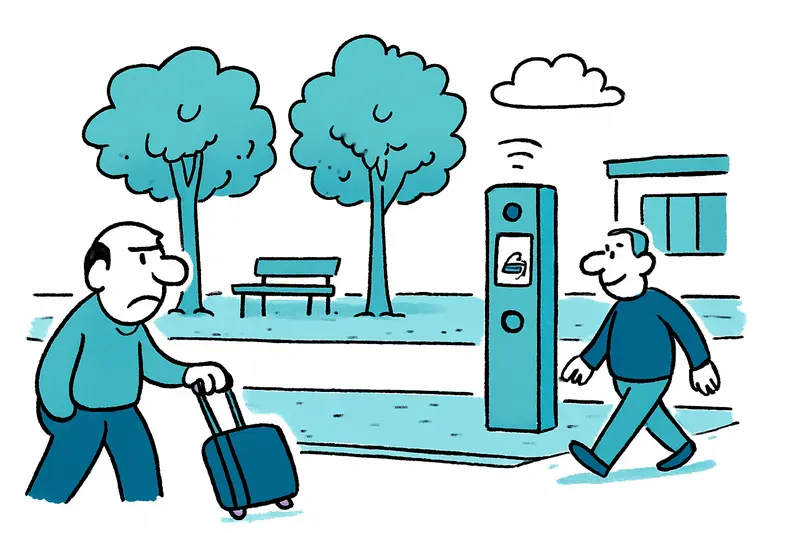
On a hot morning at the end of July, Peguera still smells faintly of fresh asphalt and pine resin. The new section of the boulevard, which has now been officially handed over, stretches about 300 metres from the corner at Calle Gavines to the start of the promenade, as reported in Paguera gets a new boulevard: Renovation underway, first works already visible. Walking along here, you can hear rolling suitcases on smoother pavement, see shaded spots created by newly planted trees and spot benches that invite you to pause.
The works included more than just a new road surface: sidewalks have been renewed, the sewerage system overhauled and the network for reclaimed water expanded. Green elements play a major role: additional planting is intended to provide more shade in summer and give the hot asphalt a cooler setting.
Technically, the first phase is also a leap forward. The boulevard has been prepared for the 'Intelligent Destination' programme: cameras, parking sensors and measuring devices have been installed or are planned to provide real-time data on the use of public space. For residents and business owners this means better monitoring of parking conditions, faster responses to disruptions and the possibility to manage operations in the centre more efficiently.
The project was financed with a total of €3.2 million. Of that, €2 million came from the European Union's Next Generation funds and about €1.25 million from the sustainable tourism tax (ITS). The idea is straightforward: invest in infrastructure so the small town retains its appeal while operating more sustainably, a goal reflected in Calvià invests 25 million: paving, the Finca, Paguera — smart planning or just patchwork?.
In parallel with the boulevard upgrade, the Pinada was renatured. This project received €600,000 in EU funds. A surrounding stone wall was built, paths were refurbished and new street furniture such as benches and picnic tables was added. The pine grove is thus becoming more inviting for family breakfasts and midday rests under shaded canopies, a development similar to projects described in Sa Pobla breathes easier: Calle Comerç redesigned — opportunities and open questions.
On Calle Gavines, where the boulevard begins, cafés and small shops have already started to notice the increased pedestrian flow: servers carry espresso past tables, children speed by on scooters along the new curbs. In the evenings, when the heat eases, the square fills with locals and visitors enjoying the easier access to the beach area.
What does this mean for Peguera? In the short term: more comfort and a friendlier town centre. In the medium term: improved water and sewage technology and digitally networked infrastructure that can make daily life easier. And in the long term? With proper maintenance, the new promenade will remain a meeting place rather than a mere functional structure—a place where shopkeepers, holidaymakers and residents like to spend time.
A practical tip for visitors: to see the new facilities in the coming weeks, go early in the morning or in the evening; the shadows of the freshly planted trees are still small but already provide noticeable relief. The municipality now faces the task of preserving the result: regular care of green areas, sensitive use of digital technology and an open ear for the people on site.
The renewal of the boulevard and the renaturation of the Pinada are visible signs: Peguera is betting on a connection between nature, public space and modern technology. It smells like the future here between coffee cups and pines—and that is good news for a small seaside resort like this.
Frequently asked questions
What is the best time of year to visit Mallorca for good weather?
Is Mallorca good for swimming year-round?
What should I pack for a trip to Mallorca?
What outdoor activities are popular in Mallorca?
Are there family-friendly beaches in Mallorca?
How easy is it to get around Mallorca without a car?
What local foods should I try in Mallorca?
Will Mallorca be crowded in peak season?
Similar News
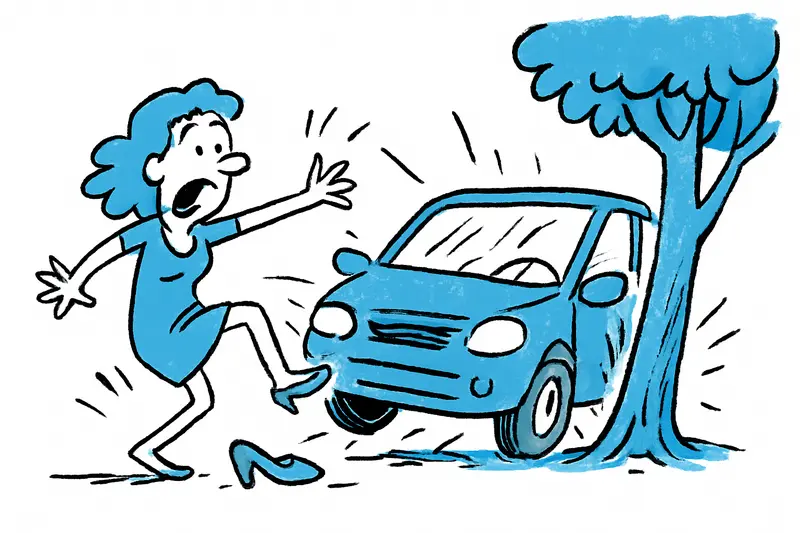
High heel slips, car accelerates: accident on Camí de Son Hugo
A woman lost a high-heeled shoe on the forecourt of the sports facility at Camí de Son Hugo. The car accelerated, mounte...

Phone Scam: How Two Hotel Employees at Playa de Palma Lost Thousands of Euros
One morning in September, two reception employees at Playa de Palma were pressured by alleged alarm-company staff — in t...

When the Wallet Becomes a Danger: Attack in Peguera and Lessons for Mallorca
In Peguera, two women are said to have stolen the wallet from a 75-year-old German couple. When the victim intervened, t...
Plata stays Plata: Young people take over, Llonguets remain
A small bar on Carrer de l'Argenteria will continue: Tolo Serra hands the place over to young Mallorcans at the end of t...
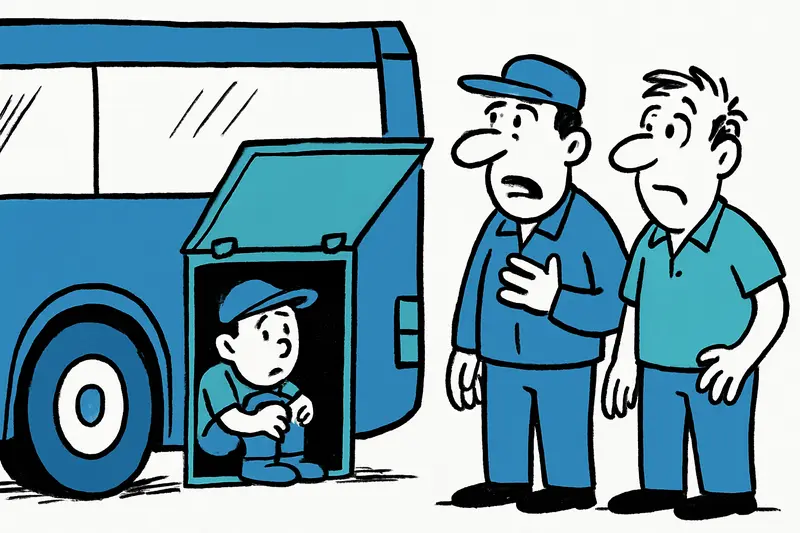
Unnoticed in the Luggage Compartment: How a Boy Traveled More Than 100 Kilometers in a Team Bus
A minor traveled in the undercarriage of a team bus for more than 100 kilometers until his cries for help were heard. A ...
More to explore
Discover more interesting content

Can Cap de Bou

Townhouse Lleo 72
