
Pickpocket caught at Ballermann — what the case reveals about safety and prevention
Pickpocket caught at Ballermann — what the case reveals about safety and prevention
At Playa de Palma the National Police arrested a man in possession of several wallets, four high-end phones and other valuables belonging to German holidaymakers. Why does this keep happening, and what really helps prevent pickpockets?
Pickpocket caught at Ballermann — what the case reveals about safety and prevention
Playa de Palma: Arrest at night, numerous personal items seized — and yet the question remains: why does it happen again?
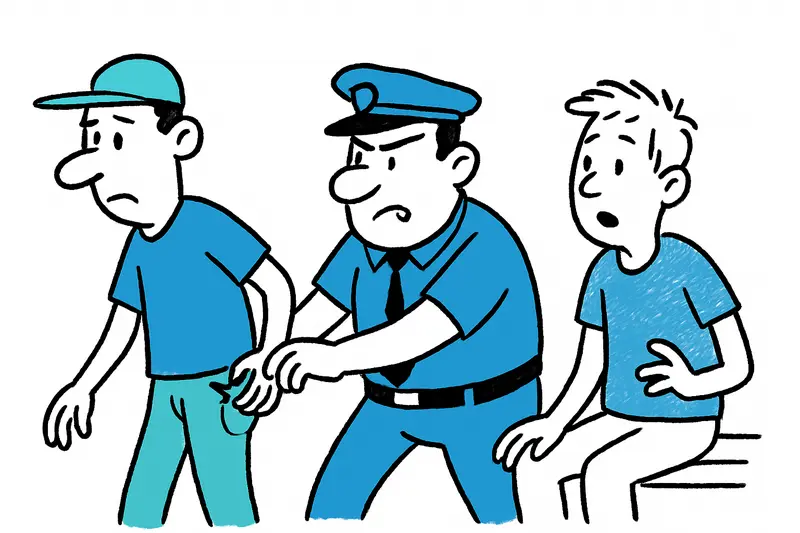
On the night from Monday to Tuesday the National Police took action at Playa de Palma: A man of Algerian origin was stopped and searched. Officers found several wallets with IDs of German holidaymakers, cash, sunglasses, wireless earphones and in a waist bag four high-end mobile phones that contained the names of foreign tourists. The police have identified the alleged owners and initiated the return of the items.
Main question: Why do pickpockets continue to succeed at busy beaches like Playa de Palma despite an intensive summer operation and numerous reported arrests?
Critical analysis: The figures tell a double story. On the one hand, the police report many arrests as part of Operación Verano — in this sector about 120 people at Playa de Palma have been caught in the act, according to officials and local coverage such as Arrests at Playa de Palma: How safe are phones on the Schinkenstraße?. On the other hand, the usual patterns of offense continue to work: dense crowds, carelessly placed bags, brief moments of inattention. The combination of opportunity, distraction and the quick removal of stolen goods makes the perpetrators' work relatively easy; local reporting has also documented evolving tactics and tech traps used at Ballermann in New Tricks at Ballermann: How Pickpockets Exploit Playa de Palma — and What Actually Helps. Visible police presence does not prevent every crime; it is often the inconspicuous checks and surveillance that bring offenders to justice — as in this case.
What is missing in public debate: Two levels are rarely sufficiently linked. First, the structural perspective — how precautions, urban infrastructure and the rhythm of tourism encourage thefts. Second, practical prevention on the ground, which is as important for travelers as police investigations. Debates often focus only on arrests or short reports about individual cases, rather than on sustainable, everyday protective measures.
Everyday scene at the beach: It is late in the evening, the sun is gone, the bass from the beach bars still rumbles, an ice cream truck pauses on the promenade and young people laugh on the benches. In such moments you might put your phone briefly on the towel, a wallet slips out of a back pocket while dancing — and someone has already taken it. These snapshots are familiar to everyone who lives here or spends their holidays here.
Concrete solutions: More arrests alone are not enough. Combined measures would make sense: better, clearly visible information for arrivals (e.g. multilingual notices at the airport and hotel receptions), increased prevention training for bar and beach staff, free or low-cost lockers at heavily frequented beach sections and a visible presence in two forms — uniformed units as a deterrent and plainclothes teams for surveillance. Hotels and hosts could give short tips at check-in: do not leave your phone visible, carry a bag with a zipper, store documents in the hotel safe. Tourists should also know immediate technical measures: activate device locks, use 'Find My' and report thefts to the police quickly.
Conclusion: The arrest at Playa de Palma is a success for investigative work and returns belongings to those affected. But it is no substitute for more systematic prevention. Authorities, local businesses and holidaymakers must act together — with concrete steps that make everyday life safer, as other incidents on the island have shown, for example Pickpocketing at Bellver: Chase Ends at Traffic Light – How Safe Is Palma Really?. When taking a walk on the beach, enjoy the sound of the sea and the voices around you, but do not lose vigilance against small, quick thefts.
Frequently asked questions
What safety tips should I use on Mallorca beaches to prevent pickpocketing?
Why do pickpockets persist on Mallorca’s busy beaches despite police action?
What happened at Playa de Palma during Operación Verano?
What practical measures could help reduce theft at popular Mallorca beaches?
How should I store valuables during a Mallorca stay?
What should I do if my belongings are stolen on Mallorca?
What is Ballermann and what does the pickpocket case mean for safety there?
How does the time of year affect safety on Mallorca’s beaches?
Similar News
Finally Home: Mike and Leyla Heiter Buy Villa with Sea View in Mallorca
The reality TV couple Mike and Leyla Heiter have bought a house in Mallorca with a roof terrace and sea view. An Instagr...
Arrest after series in Palma: Who protects apartments from repeat offenders?
The National Police arrested a man in Palma who investigators say may have broken into several apartments. In one incide...
How a Teenager Without a Driver's License Stole a Rental Car — and What It Means for El Arenal
In El Arenal a minor took advantage of an unattended rental car with its engine running. Flight, climbing over walls and...
Three-ton llaut salvaged in Puerto Portals – volunteers clear microplastics from the harbor
During the weekend operation in Puerto Portals, divers pulled an approximately three-ton llaut from the harbor. Associat...
Naked Pillar in Bunyola: Why a Climbing Prank Is More Than an Accident
During the Sant‑Mateu verbena a 20‑year‑old fell at a protected wayside cross in Bunyola and pulled the stone cross off ...
More to explore
Discover more interesting content

Can Cap de Bou

Townhouse Lleo 72
