
Nights at Playa de Palma: Who Protects the Party Mile When the Stations Close?
Nights at Playa de Palma: Who Protects the Party Mile When the Stations Close?
Residents and business owners complain about closed police stations and long ambulance routes. Our reality check: What is really missing — and how could nights be made safer?
Nights at Playa de Palma: Who Protects the Party Mile When the Stations Close?
Business owners and residents alarmed – a reality check before the season starts
Key question: Who takes over the protective role at Playa de Palma after midnight, when local police stations are not staffed around the clock?
The scene is familiar: summer nights, bright lights, loud music from bars on the Calle del Jamón and passers-by weaving between taxi and bus lanes. But this year a nervous passivity mixes into the usual hustle. Business owners report that stations are only sporadically staffed and emergency vehicles have to travel long distances. Victims of minor crimes often find no one on site to file a report (see Playa de Palma at Night: Phone Tracking Catches Suspect — But What Does It Say About Our Safety?). That's more than annoying – it has consequences for safety and image.
Critical view: the gaps in the system
You don't need to invent official figures here, but you have to look closely: when presence is missing, crime shifts in time and space. Perpetrators exploit shutdown periods, observation gaps and places with dense crowds. Video surveillance only helps if it is actively monitored, not merely used later as an evidence collection. And if interpreters are not available, reports go unrecorded or are recorded incorrectly – which distorts the situational assessment.
What is missing from the public debate
There is much talk about more controls, as discussed after recent operations in Night raid at Playa de Palma: assessment, questions and what's missing. But hardly anyone asks: how is aftercare organised at night? Who ensures that a tourist whose phone was stolen does not spend the night alone on a side street? And how can operators, residents and authorities share information so that prevention and help kick in faster? These practical routines are the switching points where improvements have real effect.
A night at the Playa: a small scene
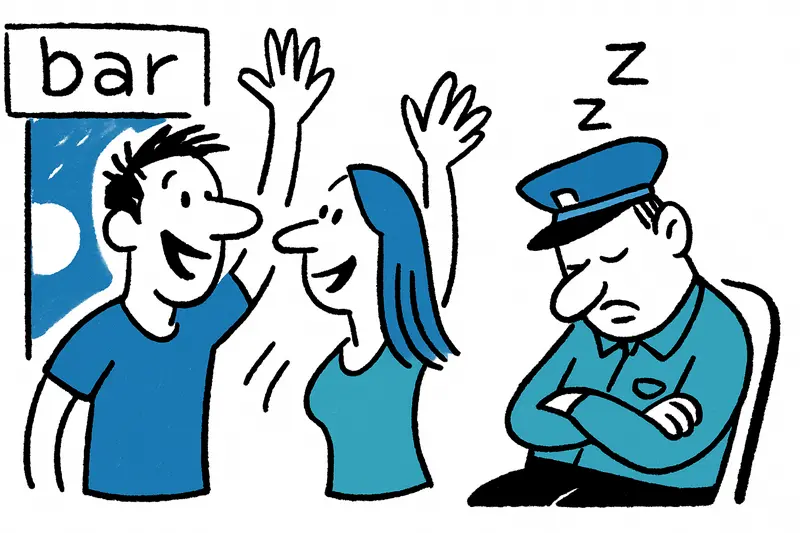
Imagine a night: it's 1:30 a.m. The last groups leave a bar on the Avenida de Alemania. A young man suddenly notices his backpack is open. He turns around. On the other side of the street a car stands with its door open. Two figures step back. He calls for help, fumbles for his mobile phone, but the nearest permanent police station is closed. A hotel employee offers a towel as a blanket, a device dials the central emergency number – and it takes time. Scenes like this repeat in variations (see Brawl at Playa de Palma: Why a verbal exchange could have ended fatally). Not a horror film, but everyday life.
Concrete approaches to solutions
There are practical steps that not only sound good but could help on the ground:
1. Mobile police posts and shift planning: Temporary service posts at hotspots on weekends and during events, supplemented by more flexible night shifts so that presence does not collapse completely at two in the morning.
2. Multilingual night-duty teams: A small team with knowledge of the main guest languages for the evening and night hours to take reports and coordinate first response.
3. Real-time communication: A digital reporting mechanism for businesses and residents that forwards verified incidents to the responsible units and prioritises them locally – not just a form, but a curated situational picture.
4. Ambulance strategy: At least one permanently stationed rescue unit near the season or well-networked first-responder teams on site to significantly reduce waiting times.
5. Preventive presence instead of mere camera show: Cameras with active monitoring and direct links to mobile units; video recordings must be quickly retrievable, not only days later.
6. Cooperation with businesses: Training for bar and hotel staff in de-escalation, observation and initial reporting – they are often the first helpers and witnesses.
Why concrete measures matter more than media outrage
Loud headlines help attract attention in the short term. In the long run, however, processes must be improved: who calls whom, how fast does help arrive, who records reports. These details decide whether an area becomes a no-go zone or a well-supervised party mile; concerns about incidents on the promenade have been highlighted in Nighttime Attack on the Paseo Marítimo: How Safe Is Palma’s Party Mile Really?. And yes: it's also about the economy – safe nights mean fewer losses, less reputational damage and more trust from guests.
Conclusion
Playa de Palma doesn't need symbolic checks, but clearly regulated night procedures. The key question remains: who protects people when the stations close? Answers must be local, pragmatic and immediately implementable – from mobile police posts and multilingual night teams to a real emergency service near the beach. If administration, police, operators and the neighbourhood work together now, the dark hours can become safer again. Waiting risks a season defined by incidents instead of guests.
Frequently asked questions
Is Playa de Palma safe at night during the summer season?
What should I do if I am robbed or lose my phone in Playa de Palma at night?
Why do people say Playa de Palma needs more night police presence?
When is Playa de Palma busiest at night?
What should I pack for a night out in Playa de Palma?
Are cameras enough to keep Playa de Palma safe at night?
What is the best way to get help at night in Playa de Palma?
Why are business owners in Playa de Palma worried before the season starts?
Similar News
When the Wallet Becomes a Danger: Attack in Peguera and Lessons for Mallorca
In Peguera, two women are said to have stolen the wallet from a 75-year-old German couple. When the victim intervened, t...
Plata stays Plata: Young people take over, Llonguets remain
A small bar on Carrer de l'Argenteria will continue: Tolo Serra hands the place over to young Mallorcans at the end of t...
Unnoticed in the Luggage Compartment: How a Boy Traveled More Than 100 Kilometers in a Team Bus
A minor traveled in the undercarriage of a team bus for more than 100 kilometers until his cries for help were heard. A ...

Cap Vermell Grand: Second Michelin Key – a Gift for the East
The Cap Vermell Grand in Capdepera has been awarded its second Michelin key. For the region this elevates the luxury off...
Eurowings lets four aircraft carry names – a friendly idea that also reaches Mallorca
Eurowings is launching a campaign: four Airbus A320s are to carry the first names of people who help others in everyday ...
More to explore
Discover more interesting content

Can Cap de Bou

Townhouse Lleo 72
