
Well-known university professor dies while swimming in Cala Blava — What's going wrong on Mallorca's coasts?
A 78-year-old professor dies in Cala Blava. Beyond sorrow, a central question arises: Is our coastal safety — especially at quiet, rocky coves — sufficient for the risks older bathers face?
A midday accident in Cala Blava — and many unanswered questions
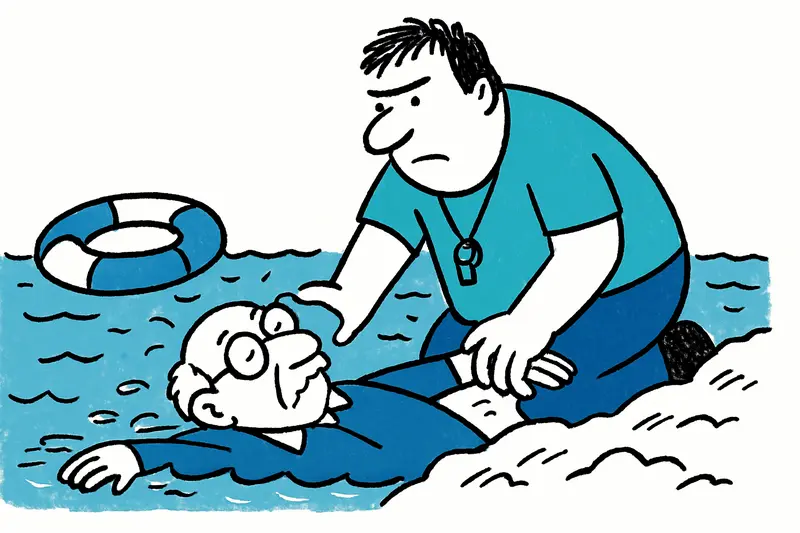
It was one of those hot, still afternoons when the sea lies like glass and hardly a wave kisses the rocks. Around 12:10 p.m., the calm on the rocky coast at Mallorca Magic coverage of the Cala Blava incident was interrupted by loud shouting and the siren of an emergency vehicle: rescuers found a man in the water who was no longer responsive. Despite rapid resuscitation attempts and the deployment of a helicopter, his life could not be saved. The trail leads to Eugeni Aguiló Pérez, 78 years old, a professor at the University of the Balearic Islands website. The island mourns — and asks: Why do bathing trips at places like this so often end tragically?
The immediate situation: what is known
According to eyewitnesses, the first helpers were from the Llucmajor local police and private bathers; a small boat brought them to the rocky spot at Cap Mollet. Paramedics struggled for a long time to restore vital functions at a boat landing. A helicopter was on site, but transport to the hospital was no longer possible. The Guardia Civil official site has taken over the investigation; whether health problems, a bathing accident, or other circumstances were the cause remains open.
A well-known figure who is suddenly gone
In Palma and on campus, Aguiló was no stranger: professor, teacher, supporter of many master's students. In the cafés on the Passeig people spoke softly that evening about his lectures, his hefty textbooks and his reputation as a strict but fair instructor. Several local outlets reported on the incident, including Mallorca Magic: known university professor dies while swimming in Cala Blava. Such news hits personally here: the barista next door often knows someone who knew him — and that changes the mood in an instant.
The less illuminated question: safety in quiet, rocky coves
The case raises a question that is too often missing from the debate: How good are our rescue concepts for small coves framed by rocks like Cala Blava? On sunny afternoons, when the promenades are full and sirens in the distance are barely audible, many spots are far less supervised than the large sandy beaches. This creates a dangerous divide between tourist-heavy monitored zones and the quiet corners preferred by locals and older visitors.
Age factor, pre-existing health conditions and prevention
Older people enjoy the sea differently: slower, more deliberate strokes, short dives, walks along the shore. But: cardiovascular events occur more frequently in this age group. Were health risks communicated sufficiently? Did rescuers and bystanders have access to a defibrillator (AED)? How good is first-aid training among the local population, who are often the first to help at the scene? These questions are not morbid, they are practical — and they show where prevention should start.
Organization of rescue services: speed alone is not always enough
You could hear the whirring of the helicopter, the clatter of boat lines, the distant murmur of people seeking help. Still: even good response times are not an automatic guarantee of a successful rescue. It is also about the local availability of equipment, the accessibility of rocky sections by land and sea, and standardized procedures when multiple agencies respond (local police, Guardia Civil, paramedics). An independent review of procedures at such accident sites could reveal weaknesses.
Concrete opportunities and proposals
Long-term improvements can emerge from the shock. Suggestions that can be implemented quickly include: better signage at rocky coves with clear warnings for older bathers; more publicly accessible AEDs along promenades and in harbor areas; regular first-aid and resuscitation courses for residents and local businesses; increased boat and foot patrols in the morning and midday hours; an analysis of operation protocols by independent experts to optimize response times and the chain of intervention. All of this costs money, but it costs far less than a human life.
The island community needs answers
In the coming days relatives, colleagues and friends will say their goodbyes. The university has already issued condolences; coverage appears in Mallorca Magic: Cala Blava — a day of beach ends in tragedy. In the small bar on the Passeig, where I stopped by myself, people spoke quietly about memories of the professor. The Guardia Civil promises clarification — but clarification alone is not enough. The island must learn from such cases so that no more quiet coves remain full of questions.
What matters now
Waiting for results is hard, especially when the sea lies calm again after a hot day and the cicadas begin their evening concert. What is important now: transparent information from the authorities, practical support for the bereaved and a serious debate about safety gaps along Mallorca's coasts. Only in this way can we prevent another warm summer day from becoming a tragedy.
Frequently asked questions
Why can swimming in Mallorca’s rocky coves be more dangerous than at sandy beaches?
What should I know before swimming in Mallorca during hot summer afternoons?
Are older people at higher risk when swimming in Mallorca?
What should I pack for a day at a quiet cove in Mallorca?
How well are swimming areas in Mallorca usually supervised?
What is the nearest town to Cala Blava in Mallorca?
What happened in the Cala Blava swimming accident in Mallorca?
What safety improvements are being discussed for Mallorca’s coastal bathing areas?
Similar News

Maribel: Five Decades of Service – Housekeeper from Peguera Celebrated with a Special Honor
Over 50 years in the hotel business: María Isabel “Maribel” Molinos was honored in Palma at the Nit del Turisme by Unive...

Orange Alert over Parts of Mallorca: Are We Prepared?
Dark clouds and an announced wet spell have triggered an Orange alert in parts of Mallorca. A reality check: what's miss...

Sundair & Co.: Sale speculation and what it could mean for Mallorca
Rumors about a possible sale of the airlines Sundair and Fly Air 41, which belong to Schauinsland-Reisen — and whether b...
Anne Wünsche in Mallorca: A job offer with a catch — who fits the role of personal assistant?
Influencer Anne Wünsche has left Berlin and is urgently looking for a full-time personal assistant in Mallorca. Why the ...

Daily from New York: Palma Between Boom and Strain
United will increase the Newark–Palma route to daily flights in 2027 using Boeing aircraft (231 seats). What does the in...
More to explore
Discover more interesting content

Can Cap de Bou

Townhouse Lleo 72
