
Puppy on the runway — how safe is Son Sant Joan?
Puppy on the runway — how safe is Son Sant Joan?
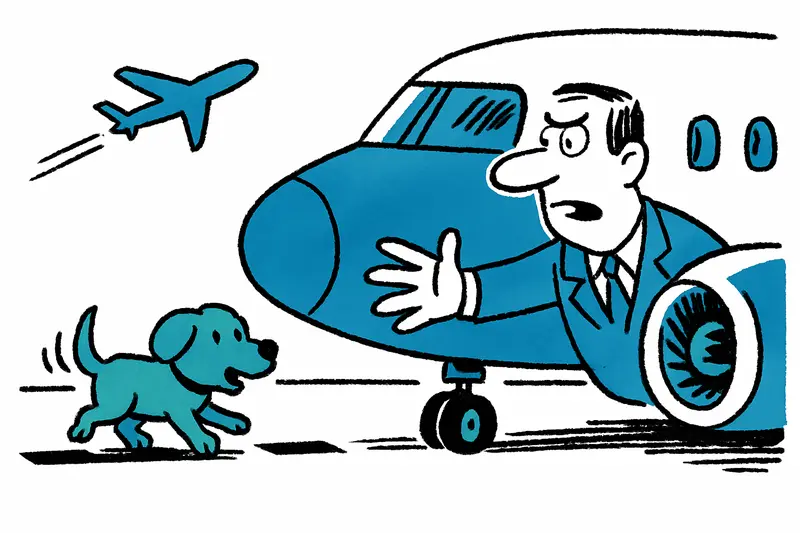
A small dog briefly brought flight operations in Palma to a halt on Sunday morning. Three aircraft circled and passengers were unsettled. The incident raises a major question: How did the animal get onto the runway and what is missing to prevent this from happening again?
Puppy on the runway — how safe is Son Sant Joan?
Key question: How could a puppy get onto the runway — and what does this say about safety at the airport?
Early on Sunday morning an unusual scene could be seen from the Passeig Marítim: aircraft circling repeatedly over Son Sant Joan while the espresso in the corner café went cold and heads looked skyward. Around 9 a.m. the regular landing approach had to be interrupted because a small dog was on the runway. After about 20 minutes the runway was cleared, the planes were able to land and operations continued. Airport operator Aena confirmed that a puppy had run onto the runway and that the situation was brought under control.
In short: a harmless animal, a brief intervention — and yet an annoying delay for passengers. For those circling over the Mediterranean in packed seats it felt less harmless; similar go-around events are documented in Heart-stopping moment over Son Sant Joan: Why the Eurowings plane climbed again. A dog on the runway is a worst case for pilots and ground staff: damage to landing gear, bird strikes, panic on board — these are real risks.
Critical analysis
The visible part of the problem is simple: an animal entered the runway. The less visible part is more complex. Airports are large infrastructure facilities with fences, patrols, cameras and fixed procedures for intrusions — whether by people, vehicles or animals. Recent incidents, including Drone over Son Sant Joan: Investigations, Gaps and the Question of Effective Prevention, show that non-standard intrusions can halt operations, so that a dog nevertheless reaching the surface of a runway suggests that something is not functioning optimally at some point: damaged fencing, an open gate, a weak spot in surveillance or a failure in coordination between the airport, ground services and municipal animal control.
Another problem is communication. Passengers reported uncertainty and fear while waiting in the air. Clear, timely information from the operator and the airline reduces stress and prevents rumors, which spread quickly at airports; high-profile cases such as Emergency Landing at Son Sant Joan: Questions Over Arrests and Procedures underline the need for clear procedures and swift information.
What is often missing in the public debate
The news angle often ends up being the punchline ("dog on the runway") — and the debate is then dismissed. Three points are missing: concrete information on how animals gain access, data on similar incidents in the region, and a public presentation of how the airport and the municipality work together. Data on similar incidents, from operational disruptions to weather-related problems, are compiled in pieces such as Fog paralyzes Son Sant Joan: Why visibility disrupts the flight schedule — and what could help now. Also rarely discussed is the role of local councils and animal welfare organizations in preventing strays near airports.
Everyday scene
Anyone who drives along Avinguda Gabriel Roca in the morning hears the engines, smells the sea and sees the early-morning dog walkers on the edge of the promenade. Some animals escape a fenced yard more easily than one might think. In S'Arenal, opposite the warehouses at the southern edge of the airport, I know of ragged fences and free-roaming cats — not a complaint, but a reminder of the reality on an island where town and nature sit close together.
Concrete solutions
1) Check the perimeter: regular, documented inspections of fencing and gates. Small damages are often overlooked but can have large consequences.
2) Upgrade sensors: motion detectors, ground sensors or thermal cameras at known weak points can detect intruders early.
3) Better coordination: a fixed alarm and response plan between the airport, Aena security, municipal animal control and local animal welfare groups. Drill scenarios should take place annually.
4) Intake and return points: a quick pickup mechanism for found animals reduces the chance they return to open areas. Cooperations with shelters and volunteers are useful and effective here.
5) Transparent communication: a short notice to affected airlines and a standardized passenger information procedure in case of delays reduce anxiety and rumors.
Conclusion
A puppy on the runway is, at first glance, an anecdote — but also a realistic wake-up call. The island is lively, dogs are part of the scenery, but airports must not have gaps. Son Sant Joan is a transport hub with thousands of takeoffs and landings each year; small weaknesses can have large consequences. What matters now is not sensationalism, but craftsmanship: repair fences, test procedures, clarify responsibilities. Then the image of sipping an espresso under aircraft noise will once again be the normal Sunday ritual — without circles over the harbor.
Frequently asked questions
How dangerous is it when a dog gets onto the runway at Palma airport?
Why do planes sometimes circle over Mallorca before landing at Son Sant Joan?
How long were flights delayed at Palma airport after the runway incident?
What should passengers do if their flight is forced to circle over Mallorca?
How do animals end up on the runway at Palma airport?
Is Son Sant Joan airport in Mallorca safe for regular operations?
What time of day is runway traffic at Palma airport most likely to cause delays?
What can Mallorca airport authorities do to stop animals entering the runway?
Similar News
Released with Conditions: The Plus Ultra Suspicion and a Mallorcan Finca as Residence
A Dutch entrepreneur, sought in connection with the Plus Ultra case, was extradited to Spain after his arrest in Germany...

Haute Nuit in Puerto Portals: Fashion, Art and Indulgence by the Water
On October 2 the Lobster Club in Puerto Portals will be transformed into a stage for curated fashion, art and culinary e...
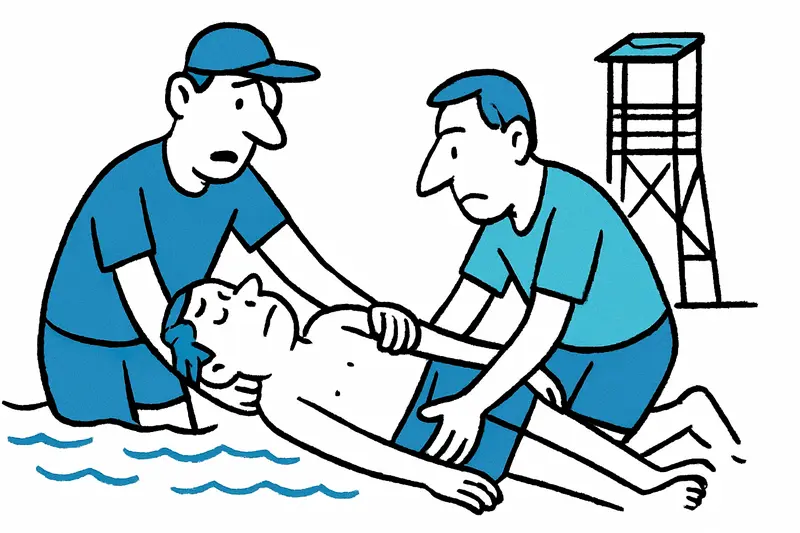
Magaluf: Watchtower Alarm – Lifeguards Pull Unconscious Beachgoer from the Water
After a drama in the late afternoon, two lifeguards at Magaluf beach rescued an unconscious 44-year-old man. He was stab...
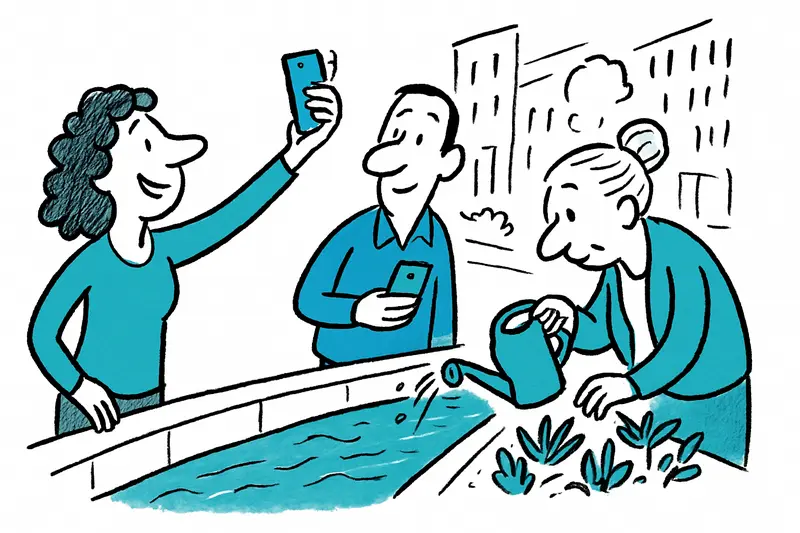
Turquoise in the City: How dangerous is the color play of the Sa Riera?
The Sa Riera in Palma suddenly turned turquoise — a pretty motif, but behind the effect lies a discharge of saline waste...

Jeckliner at Sunnesching: Cologne spirit sets sail from Palma
In September 2027 the Mein Schiff 2 briefly becomes a floating carnival stage: four days with Cologne bands, comedy and ...
More to explore
Discover more interesting content

Can Cap de Bou

Townhouse Lleo 72
