
Raid at Playa de Palma: When Homemade Bars Become a Problem
Raid at Playa de Palma: When Homemade Bars Become a Problem
Between September 11 and 13 police at Playa de Palma seized 18 speakers and issued 24 charges. Who draws the line between fun and disturbance is the central question.
Raid at Playa de Palma: When Homemade Bars Become a Problem
Key question: Who protects locals and tourists from the consequences of open‑air parties – and how can the balance between enjoyment and public order be achieved?
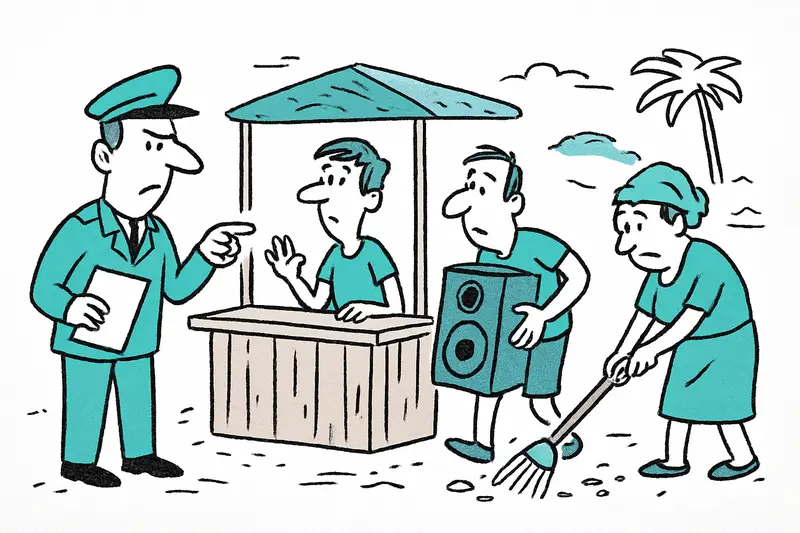
Between September 11 and 13 officers at Playa de Palma stepped in, as documented in Police stop illegal beach parties at Ballermann 6: 18 wireless speakers were confiscated, 24 people were charged, and teams cleared tents as well as large inflatable equipment from the sand and water. The scene is easy to picture: the roar of bus traffic on the Passeig Marítim, young people converting a wooden structure into an improvised bar, and shards of glass glittering between sunbeds and trash bins.
Sound like a Ballermann cliché? Yes, but the trouble is real. The island's civic ordinance sets clear limits: open drinking outside approved business areas, excessively loud music, unauthorized constructions in the sand, and litter are not allowed. Sanctions range from 100 to 3,000 euros, scaled according to the severity of the offense. That explains why controls fuel tourists' fear of heavy fines – and bring relief to residents.
Critical analysis: Controls alone are not enough. A raid makes the problem visible, removes acute disturbances, and sends a signal; however, sometimes controls escalate into confrontations, as described in Tumults at Playa de Palma: When Controls Threaten the Beach Scene. It does not tackle the root causes: Why do people erect tents and bars? Often it's not just about noise but about space management, lacking infrastructure, and the absence of clear alternatives. If there are too few trash bins on the beach, bottles remain in the sand. If there are hardly any designated, permitted areas for groups, visitors try to mark out space with their own constructions. The police can confiscate speakers; they cannot at the same time collect rubbish from every beach chair or educate every group about rules of conduct.
What is missing from the public debate, as highlighted in Night raid at Playa de Palma: assessment, questions and what's missing, is numbers and transparency about how often controls take place, how much staff the city actually assigns to beach protection, and whether charges really lead to clear sanctions. There is a lack of honest discussion about responsibility: the accommodation operator, the tour operator, the bar, the beach users themselves – who addresses visitors in advance, in which language, and with what consequences? The perspective of lifeguards and local restaurants is also often underexposed: wind conditions can make large inflatable islands dangerous, and restaurants complain when sprawling beach parties disrupt their business.
Everyday scene: A Tuesday late afternoon. The smell of sunscreen mixes with the revving of rescue boats, an older woman sweeps the sand in front of her cafe on the Passeig Marítim while behind her a noisy group of partygoers assembles a wooden construction. A child steps on a broken bottle; the mother scolds, a bus passes, and the music blares louder again. It is precisely this mixture of carelessness, lack of infrastructure, and short-term entertainment that leads to police operations.
Concrete approaches to solutions:
1) Prevention instead of constant raids: More visible, regular information campaigns before and during peak seasons (for example, themed weeks): multilingual notices at airports, in hotels and on social media channels. QR codes at beach access points with short rules and listed sanctions.
2) Improve infrastructure: Additional and better placed trash bins, glass ban signs in heavily frequented sections, temporary collection points for large events.
3) Clear rules for structures: Limit the size and material of beach tents, prohibit private demarcations, allow permit‑required pop‑up stands only after registration.
4) Cooperation with businesses and the travel industry: Hotels and tour operators must inform visitors in advance; bars could develop joint concepts for evening areas so that celebrations do not migrate illegally onto the beach.
5) Safety protocols for XXL inflatables: If wind conditions require it, rescue services should promptly and transparently ban the use of large floaties and provide drop‑off points.
A pragmatic proposal: Test pilot projects on one or two beaches during the next season. There, information booths, additional trash bins and a binding rules card (in German, English, Spanish) are installed. At the same time the city documents the controls and publishes simple monthly reports so that residents and visitors can see what works.
Punchy conclusion: Seizing speakers and clearing tents is effective in the short term, but not the whole solution. More clarity, better infrastructure and shared responsibility among authorities, hosts and guests are needed. Otherwise Playa de Palma will remain a stage for recurring cleanup actions while the real causes – lack of space, information gaps and the desire to celebrate together – remain largely unresolved.
Frequently asked questions
When is Mallorca at its warmest and best for beach days?
Is the sea safe for swimming in Mallorca, and what beach safety tips should I know?
What should I pack for a Mallorca trip given the climate and activities?
What are practical ways to get around Mallorca without renting a car?
Are there family-friendly beaches and activities in Mallorca?
What are good day-trip options from Mallorca, and how long do they take?
What should I know about Mallorca's culture and dining etiquette?
How can I avoid crowds in Mallorca during peak season while still enjoying the island?
Similar News

Suspicion of Date-Rape Drugs in Palma: Trial, Questions and the Gaps in the Protection System
A German man is on trial at the Palma court accused of rape; prosecutors suspect date-rape drugs were involved. What is ...
Burglary in Llubí: Arrest Raises Questions About Security in Mallorca's Countryside
A 21-year-old was arrested in connection with a burglary in Llubí. Cash, jewelry and electronics worth around €40,000 we...

Lost Trust: How a Phone Theft in Peguera Exposes Police Responsibilities
A 90-year-old holidaymaker is robbed in broad daylight in Peguera. His passage through police stations and taxi receipts...
When many security screeners suddenly fell ill: Who protects the passenger?
Short-notice sick reports at a large security company led to long queues at Cologne/Bonn airport. A reality check for tr...

Suspected Drink-Spiking in Palma: Trial Calls for a View Beyond the Courtroom Record
At the Palma court, the trial begins against a German defendant: the prosecution seeks twelve years in prison. What's mi...
More to explore
Discover more interesting content

Can Cap de Bou

Townhouse Lleo 72
