
Reality check: Biting fish at Illetes and Cala Comtessa – how serious is the situation?
In recent days, bathers at Illetes and Cala Comtessa were nipped by small fish; in some cases bleeding occurred. A look at causes, risks and pragmatic protective measures for beach visitors.
Reality check: Biting fish at Illetes and Cala Comtessa – how serious is the situation?
Multiple incidents at popular beaches, a pattern – and many unanswered questions
Last weekend, beachgoers at the Playa de Illetes and Cala Comtessa in the municipality of Calvià reported being nipped by small fish in shallow water; in some cases the affected areas bled. Such incidents are not entirely new along Mallorca's coasts, but they occur more frequently in warm months; similar local incidents have been reported, for example Dead Shark at Playa Can Pere Antoni: Bite Marks Raise Questions.
Key question: How dangerous are these bites really, and how should people behave at the beach in everyday life so that a harmless encounter does not become a minor health problem?
Critical analysis: In the short term, bites from small fish are rarely life-threatening. They are usually superficial injuries to feet or hands; occasionally there is bleeding, sometimes painful redness develops. Clinical complications such as infections are possible, especially when open wounds, scabs, or scratched insect bites are involved. For advice on wound care see NHS guidance on treating cuts and grazes. The causes of the increased occurrence are likely multifactorial: higher water temperatures accelerate fish metabolism and activity, juvenile fish move into shallow nearshore zones, and where people feed them or food scraps enter the water, fish lose their natural wariness.
Where public debate often goes wrong: On the beach and on social networks people quickly talk about "attacks" and "dangerous animals." That breeds fear, but helps neither those affected nor rescue teams. There is a lack of sober assessment and clear behavioral rules for bathers in German, Spanish and English. Also rarely discussed is the responsibility of tourists: feeding or throwing bread into the water changes the natural behavior of marine animals.
Missing point in the reporting: numbers and systematic reports. Currently there is no publicly available, centralized statistic on such incidents on Mallorca's beaches. Without data it remains unclear whether this is a temporary cluster or a trend. The perspective of marine conservation and fisheries authorities is also often missing in discussions – for example regarding population changes, seasonal movements or the influence of rising water temperatures.
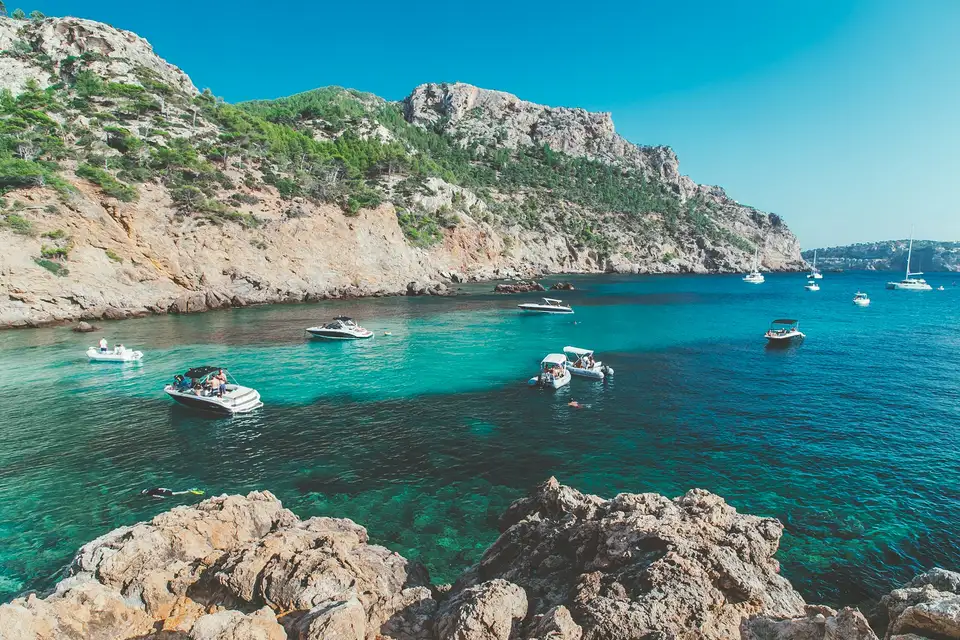
An everyday scene from Illetes: It is around 11 a.m., the air is still, the lapping of small motorboats mixes with Spanish voices and the crack of suntan oil bottles. Families wade in knee-deep water, some teenagers share videos. Two lifeguards lean against their tower on the wooden promenade, an older woman carries sea plants in a Tupperbox – a piece of normality. It is here that small fish can become curious. If someone with a bleeding wound is still standing, the animals arrive faster than you think.
Concrete, pragmatic and locally implementable solutions:
- Education at the beach: Multilingual information signs at particularly affected playas (Illetes, Cala Comtessa) with short behavioral rules: no food scraps into the water, cover open wounds, recommend water shoes. The signs should also explain why fish behavior is changing (water temperature, feeding). Seasonal events affecting marine behaviour have also been reported, such as Fried-Egg Jellyfish off Santa Ponça – Causes, Risks and What to Do Now.
- Strengthen reporting system: Lifeguards should document incidents in a standardized way (date, time, beach section, type of injury). An anonymized weekly overview could then be published locally so authorities and users get a better picture.
- First aid on site: Small kits at lifeguard towers (disinfection wipes, plasters, instructions on when to seek medical care) and short trainings for watch teams to assess infection risks.
- Raising visitor awareness: Involve local tourism providers and chiringuitos – a short notice at check-in or a sign at the counter can reach many people. The intent is not a ban but a simple reminder: do not feed, cover wounds, report any bite immediately.
- Research and cooperation: Municipality, conservation and fisheries should examine whether changed stock relations or temperature trends are responsible for the behavior. Simple surveys by universities or conservation groups could quickly bring clarity.
Pointed conclusion: Yes, the situations are unpleasant and in individual cases bloody, but panicked reactions do not help. Education and small organizational measures on the beaches prevent most problems and protect the ecosystem at the same time. For beachgoers practically: remain calm, avoid open wounds, do not feed – and report every incident to the lifeguards. The next beach break will then taste like the sea again and not like a sensational headline.
Frequently asked questions
Are biting fish at Mallorca beaches like Illetes and Cala Comtessa dangerous?
What should I do if I'm bitten by a small fish at a Mallorca beach?
Do fish bites on Mallorca cause lasting health problems?
Are bites more common in certain seasons around Mallorca?
What practical steps can Mallorca beaches take to reduce bite incidents?
How should visitors at Illetes protect themselves to avoid bites?
Is there a centralized way to track bite incidents on Mallorca’s beaches?
Could rising water temperatures change how fish behave near Mallorca’s shores?
Similar News
Palma, Palma de Mallorca, Palma‑Mallorca: What is it really about?
The debate over the city's name is more than grammar: it concerns identity, law and branding policy. A sober reality che...
Warning to Bathers: Nipping Fish in Cala Major and Other Coves — a Reality Check
In Cala Major and several beaches around Mallorca, bathers report painful “nips”. Who are the animals, why are they gett...

Rental Car Theft in El Arenal: What This Incident Reveals About Our Gaps
A teenager steals a running rental car in El Arenal, flees on foot, climbs over walls and is caught by the Guardia Civil...

Red Rope in Palma's Library: What Helps Against Selfie Tourism — and What's Missing
Palma's city library cordoned off an area with a red rope to keep selfie tourism away from reading and working activitie...

Fort San Carlos: Museum, Harbor Dispute — and a Conflict That Demands Answers
The military museum at Fort San Carlos sits right on Palma's harbor, with unexpectedly quiet rooms filled with cannons a...
More to explore
Discover more interesting content

Can Cap de Bou

Townhouse Lleo 72
