
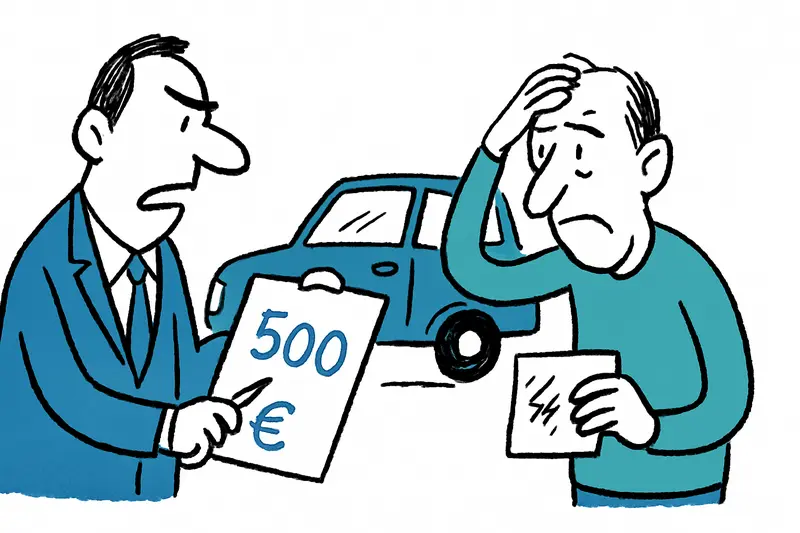
Almost €500 for a scratch: Who pays the bill for the rental car?
Almost €500 for a scratch: Who pays the bill for the rental car?
A tourist had to fight after returning because a rental car company charged for a scratch using a damage table. Who is right — the customer or the rental company?
Almost €500 for a scratch: Who pays the bill for the rental car?
Key question: When is a post-trip charge justified — and when is it simply a rip-off?
At the Son Sant Joan parking lot you can hear the rolling of suitcases, the murmur of families and occasionally the click of a driver's door as a rental car is handed over. It is in these moments that the risk begins for many holidaymakers: a small paint damage, barely visible in the glaring Mallorcan sunshine — and later, after returning home, a bill for several hundred euros.
The case at hand: a traveler received a demand of almost €487 after his holiday for a scratch on the fender. He contested the charge with his bank and had the amount reversed. At the same time he reported the incident to consumer authorities and the European Consumer Centre as well as to the tourism department in Madrid. The company justifies the claim with a contractually agreed damage table according to which flat rates apply to certain damages and a garage invoice is not required.
Critical analysis: three points are immediately obvious. First: flat-rate tables are practical for rental companies — they save effort — but they can exceed the actual repair costs. Second: if an independent invoice or expert report is missing, the burden of proof is difficult for holidaymakers. Third: when charges only arrive after returning home, the chances for a quick, fair resolution on site diminish. Together this creates a power asymmetry between an individual renter and a company that uses standardized rules and automated debits, as illustrated by Parking dispute in Ses Illetes: Scratches, court and the question of fairness.
What is often missing from public debate: concrete figures and comparators. What do typical garage invoices for comparable damages look like? How transparent are the damage tables presented on site — in which language, what font size, and exactly where does the customer sign them? Also rarely discussed is how long rental companies should be allowed to make subsequent claims and what proof obligations should be imposed on them, topics explored in Why Rental Cars in Mallorca Have Become Noticeably More Expensive — and What You Should Know.
An everyday scene from Palma: on Passeig del Born an older couple sits down in a café, leafs through the rental company's documents and tries to decipher the terms on a small printout. The waiter brings a café solo, the sun blazes — and the couple wonders whether they should have taken photos on the spot to guard against later claims. We see such scenes often: the rush at return, no proper place for a thorough check, language barriers, as reported in Scratched Cars in Santanyí: Scratches Instead of Holiday Peace.
Concrete solutions — for travelers, rental companies and authorities:
For travelers: thoroughly inspect the car before driving off, document visible damage (close-up photos, camera timestamps, short videos), insist on a handover protocol signed by both parties and take a copy. Do not accept add-on insurance without comparing prices. If you see post-trip charges, contact your bank immediately and consider a chargeback; at the same time file a complaint with the national consumer authority and the European Consumer Centre.
For rental companies: increase transparency: provide damage tables in a readable format, photographically document damages and give the customer receipts. Only bill based on actual garage invoices above a certain threshold and state clear deadlines by which subsequent claims can be made.
For policymakers and regulators: set minimum standards — for example mandatory photographic handover protocols, a maximum notification period for subsequent claims (for example 14 days), and the requirement to provide an independent cost estimate above certain amounts. It would also be sensible to require a short mandatory customer information sheet in several languages at handover, while broader measures such as a Rental Car Cap: Between Traffic Calming and Holiday Stress – What Mallorca Must Consider Now are being discussed.
Conclusion: a scratch on the bodywork should not turn a summer holiday into a petty war. Travelers must be more vigilant and know their rights; providers have a duty to charge fairly and transparently; authorities should create rules that give both sides legal certainty. Without clear proof obligations and transparent procedures, trust in the car rental industry remains scratched — and that benefits neither the guests nor the island.
Verifiable steps such as photos, a proper handover protocol and the willingness of companies to prove repairs with real invoices would ease many tensions. Until then: look closely, document and do not give in to unjustified charges — the bank is often the last ally.
Frequently asked questions
What is the best time of year to visit Mallorca for sunny weather and beaches?
Can you swim in Mallorca year-round?
What should I pack for a Mallorca trip?
What are good day trips from Palma?
What is the weather like in Mallorca by season?
Which Mallorca beaches are family-friendly?
Is public transport a good option for getting around Mallorca?
Is Mallorca safe for travelers?
Similar News
Palma under the microscope: 87 arrests over forged passports – what now?
The National Police stopped 87 people at Palma airport this year with allegedly forged documents. Why are controls alone...
When a Taxi Fare Dispute in Magaluf Turned Bloody: How Safe Are Passengers and Drivers?
In Magaluf a dispute over the fare escalated: a tourist, now 18, is accused of having seriously injured a taxi driver in...

Why Mallorca Has Become So Terribly Expensive — A Reality Check
Rents are exploding, staple food prices are rising, wages are lagging behind. A look at the causes, what is missing from...

When Paradise Becomes Unaffordable
Hotel rooms, paella and the weekly grocery shop: Mallorca is becoming more expensive for many. Who pays the bill — guest...
End at Ballermann: What Is Lost with the Dino Mini Golf at Playa de Palma
On October 25 the dinosaur mini-golf course at Playa de Palma will close after more than 30 years. Why the city is recla...
More to explore
Discover more interesting content

Can Cap de Bou

Townhouse Lleo 72
