
Rich and Poor Side by Side in Es Jonquet: Only Seven Social Apartments Next to Million-Euro Apartments
Rich and Poor Side by Side in Es Jonquet: Only Seven Social Apartments Next to Million-Euro Apartments
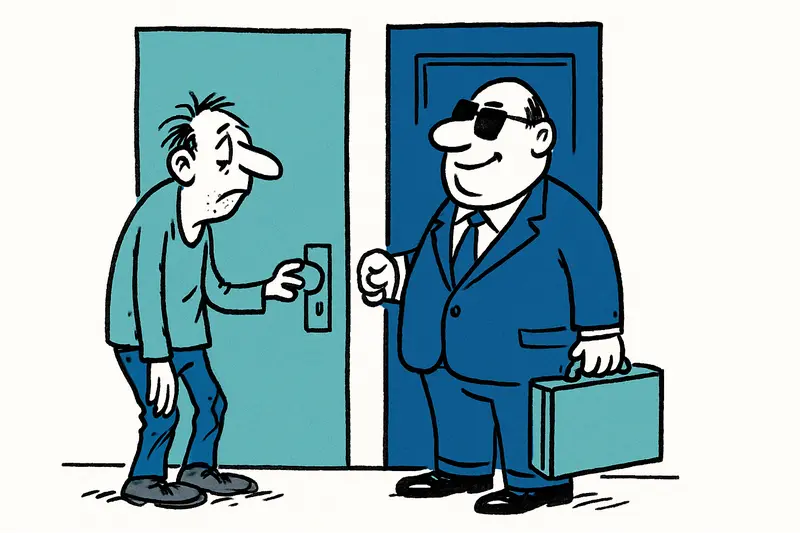
In Es Jonquet, 60 apartments are being built, 53 for wealthy buyers and only seven are subsidized. Key question: Is that enough to keep Palma socially balanced?
Rich and Poor Side by Side in Es Jonquet: Only Seven Social Apartments Next to Million-Euro Apartments
Guiding question
Is sacrificing seven subsidized apartments in a 60-unit project enough to preserve housing equity in Palma? This question comes first when looking at the 57 Units in Es Jonquet: Palma's New Luxury Project Puts Urban Development to the Test.
Critical analysis
Facts, short and clear: 60 apartments are being built, 53 for sale on the open market, seven subsidized. Purchase prices start at around €2.6 million and climb to €9.5 million, as explored in Palma at Two Prices: Why the Same Square Meter Can Suddenly Be Luxury. Parking spaces are listed at €75,000. The subsidized units are in a separate block and do not have a prominent location. The market-rate apartments open towards the harbor, with sea views and offerings that resemble a private resort more than urban housing: concierge, spa, private chef, community boat and more. Completion is scheduled for 2027.
What is missing from the public debate
People talk a lot about numbers and luxury amenities. Hardly ever does it concern how social mixing is implemented. There is a lack of discussion about how the support and access rights of social tenants are regulated. The question of whether social units are actually secured long-term for families with middle or low incomes is also missing. It is also seldom discussed how historical structures on the site — a tunnel complex — can be sensibly integrated as a public asset rather than as decorative appendages for wealthy buyers.
Everyday scene from Mallorca
A walk along the Paseo Marítimo in the late morning: joggers pass by, an older fisherman casts nets, neighbors discuss rising rents in front of a café. At the construction site you can hear jackhammers, sometimes a pram rattling over the cobbles. Soon people will live here who can only look at the luxury and others who hope to finally find affordable accommodation; this proximity creates tension in the neighborhood similar to the situation in Tents Next to Villas: Nou Llevant Exposes the Gap Between Rich and Poor.
Concrete solutions
1. Mix instead of islands: Social housing should be distributed across several buildings so that access to communal areas and services is equal. 2. Secure binding rights: Social tenancy contracts must include long-term occupancy obligations and maintenance standards. A maintenance fund, financed by seller levies, prevents decay and unequal treatment. 3. Public oversight: Transparent allocation criteria and regular audits by the municipality or autonomous government prevent opacity. 4. Usage rights for historical parts: The tunnel complex could serve as a publicly accessible cultural or community space. This increases the social value of the project. 5. Financial reorientation: A higher quota of subsidized apartments in new builds or a compensatory levy that flows into affordable housing reduces pressure on neighborhoods like Es Jonquet, as debated around the 110 Social Housing Units in Ramón Nadal project. 6. Local employment: Construction and service contracts should favor local firms and workers so that the project benefits the neighborhood directly.
Punchy conclusion
Seven social apartments do not equal social urban policy. What is emerging now is a symbol: Palma keeps building luxury, social housing remains a footnote. For the dream of living by the sea not to be a reality for only a few, political work and clear rules are needed. Otherwise Es Jonquet will remain a pretty photo with staggered balconies and two worlds standing side by side but not living together.
Frequently asked questions
What is the new Es Jonquet housing project in Palma?
Why is the Es Jonquet project in Mallorca being criticized?
How much do the apartments in Es Jonquet cost?
What is included in the luxury apartments in Es Jonquet, Palma?
Are the subsidized apartments in Es Jonquet integrated into the main building?
What happens to the historic tunnel complex in Es Jonquet?
When will the new Es Jonquet apartments in Palma be finished?
How does the Es Jonquet project reflect Palma’s housing problem?
Similar News

Mistaken identity with fatal consequences: Brutal assault in S'Aranjassa — what's missing in the follow-up?
At S'Aranjassa a visitor to a finca was tied up, beaten and thrown out of a van. Three men have been arrested, including...
High heel slips, car accelerates: accident on Camí de Son Hugo
A woman lost a high-heeled shoe on the forecourt of the sports facility at Camí de Son Hugo. The car accelerated, mounte...

Phone Scam: How Two Hotel Employees at Playa de Palma Lost Thousands of Euros
One morning in September, two reception employees at Playa de Palma were pressured by alleged alarm-company staff — in t...

When the Wallet Becomes a Danger: Attack in Peguera and Lessons for Mallorca
In Peguera, two women are said to have stolen the wallet from a 75-year-old German couple. When the victim intervened, t...
Plata stays Plata: Young people take over, Llonguets remain
A small bar on Carrer de l'Argenteria will continue: Tolo Serra hands the place over to young Mallorcans at the end of t...
More to explore
Discover more interesting content

Can Cap de Bou

Townhouse Lleo 72
