
Serious Motorcycle Crash on MA-6014 near Cap Blanc: Who's Liable, Who Acts?
Serious Motorcycle Crash on MA-6014 near Cap Blanc: Who's Liable, Who Acts?
On the winding MA-6014 towards Cap Blanc a 28-year-old motorcyclist lost control, crashed into the embankment and clipped another bike. One man seriously injured, one woman lightly hurt. A reality check: what is missing on our roads?
Serious Motorcycle Crash on MA-6014 near Cap Blanc: Who's Liable, Who Acts?
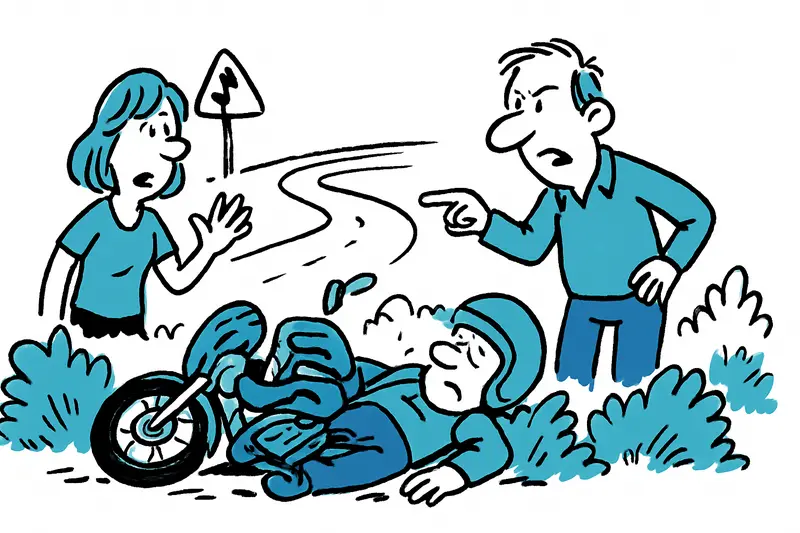
At midday, around 12:00, the squeal of tyres on the MA-6014 briefly set off alarm. On the narrow country road to Cap Blanc an outing for a group of motorcyclists ended abruptly: a 28-year-old rider lost control in a sharp right-hand bend, crossed into the oncoming lane, left the carriageway and struck the vegetation on the left-hand verge. He was seriously injured and remained trapped in the foliage. Another rider from the group was slightly injured.
Key question
Who bears the main responsibility when a group-ride accident occurs on a winding island road: the individual rider, the group leaders, the road layout, or local safety management? This is a matter explored in Why Are So Many Motorcyclists Dying on Mallorca? A Reality Check after the Llucmajor Accident.
Critical analysis
The facts are clear: a sharp bend, a group of machines, loss of control, collision consequences. But the language of facts obscures what often comes together: column riding dynamics, visibility reduced by embankments and pines, and in some places a road surface that loses grip after long summers and sporadic maintenance. That emergency services responded – two ambulances from SAMU 061, one unit with advanced life-support equipment and one with basic care, as well as units of the Guardia Civil traffic police – shows that medical response is organized. What is not visible: how quickly could rescuers access the scene? Were escape zones available? Such details decide recovery chances.
What's missing from public discourse
Public discussion often emphasizes individual error: 'too fast', 'misjudged the bend'. Rarely do we talk about group behaviour: how are tours planned, who is the ride leader, are distances kept, are there practices for tight curves? Technical and infrastructural causes are also left out: pronounced slipping tendencies after rain, inadequate guardrails, missing reflective markings. And we almost never speak openly about preventive education at meeting points: motorcycle meetups, petrol stations, hotels. On an island where every road will sooner or later be discovered by tourists, short-term knowledge of local danger spots is often insufficient.
Typical scene on Mallorca
Anyone who rides the MA-6014 in the morning knows it: the scent of pine in the air, a café at the junction where baristas hear cups clinking. Sunny October days draw biker groups out of Palma, the rumble of engines mixing with the cicadas' chirping. But behind the postcard calm lie tight, abruptly placed corners – sharp enough to demand concentration until the last second. When a rider then goes down, gloves and a helmet often remain at the roadside, and the question: could a few precautions have prevented it?
Concrete solutions
Structural measures: At particularly critical bends fixed measures should be considered – more visible markings, additional delineator posts, selective reduction of embankment steepness, rumble strips before danger spots and, where appropriate, small protective zones to prevent running off into dense vegetation.
Regulatory: Temporary speed limits for group rides on selected sections; time-limited enforcement by the Guardia Civil where accidents recur, for example in incidents like the fatal accident on the Ma-19 near Llucmajor; clear warnings about danger spots in tourist information and at rental stations.
For riders: Mandatory recommendations for group rides – spacing, role distribution, announcing hazards, training for cornering techniques. Providers of guided tours should be required to give safety briefings.
Rescue and assistance: Routinely mark access points for emergency vehicles; regular drills by response teams at hard-to-reach sections; create mobile rescue routes and quick-access points at known danger bends.
Why this works
Small structural measures buy reaction time. Visible, recurring warnings and enforcement change driving habits. And when tour operators, rental companies and authorities cooperate, knowledge about danger spots can spread quickly – without taking the fun out of motorcycling.
Conclusion
The accident on the MA-6014 is not an isolated case but an example of the rise in fatal motorcycle accidents in Mallorca this summer. The answer to the key question is not mono-causal: responsibility lies with riders, but also with those who plan, maintain roads and enforce rules. Those riding in Mallorca should remember: sharp bends demand respect – and occasionally a new delineator post.
Frequently asked questions
When is the best time to visit Mallorca for warm weather with fewer crowds?
Are Mallorca's beaches suitable for swimming year-round?
What should I pack for a Mallorca trip in spring or autumn?
Is it easy to get around Mallorca without a car?
What are some must-see places for a first trip to Mallorca?
How warm is the sea in Mallorca and when is it best for swimming?
Are there family-friendly activities suitable for kids in Mallorca?
Should I expect windy days when visiting Mallorca, and how should I prepare?
Similar News
New Terrace at Palma Airport: Smoking Area, Food Truck and a Sunny Spot
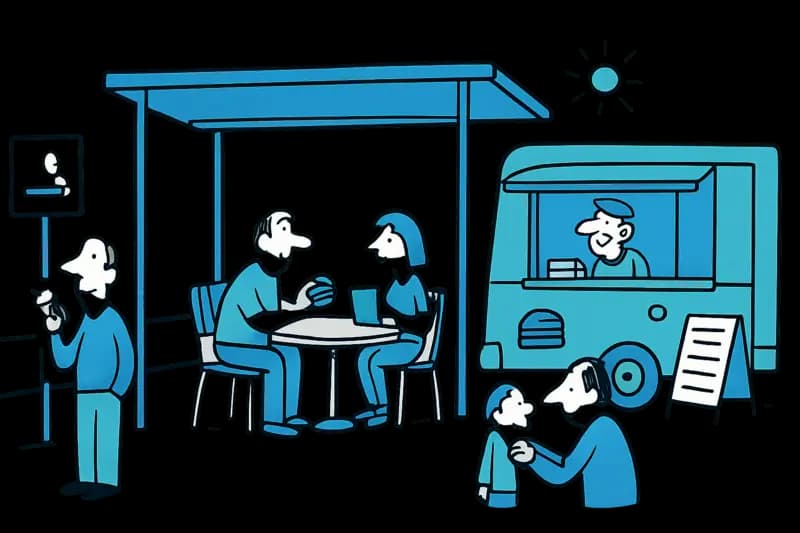
The new outdoor area in the distribution zone after security offers covered seating, a food truck with burgers and a des...
Human chain in Manacor: 80,000 chickens, many unresolved questions
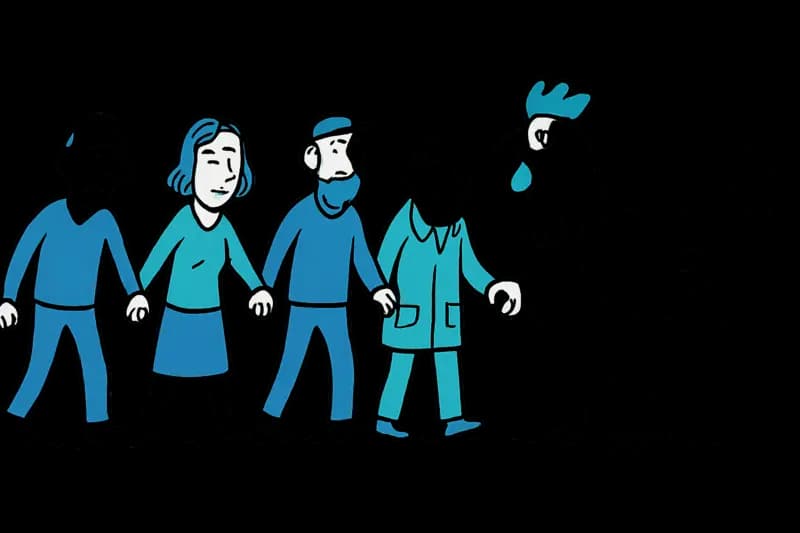
Residents and animal welfare activists formed a human chain at the Son Brau estate to protest a planned poultry farm wit...
Unrest on the doorstep: What Barcelona's riots mean for Mallorca
128 arrests in Barcelona, numerous injured and devastated shops: Why the wave of violence 260 kilometers away can also b...
Why the unrest in Barcelona should be a wake-up call for Mallorca
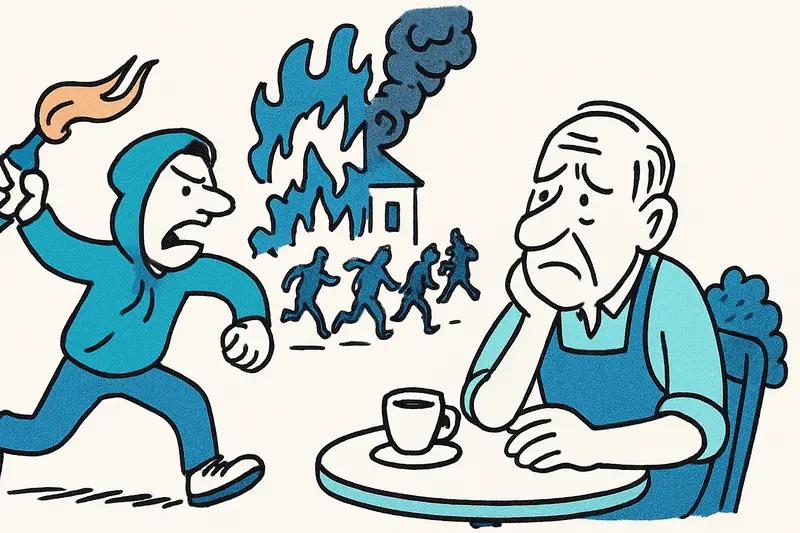
A TikTok call led to nighttime violence and hundreds of arrests in Barcelona, many of them minors. What is behind the ph...
Palma under the microscope: 87 arrests over forged passports – what now?
The National Police stopped 87 people at Palma airport this year with allegedly forged documents. Why are controls alone...
More to explore
Discover more interesting content

Can Cap de Bou

Townhouse Lleo 72
