
Salmonella Outbreak at Playa de Palma: How Did It Come to This?
Around 43 guests fell ill after visiting a restaurant at Playa de Palma; twelve were hospitalized. Inspections revealed hygiene and temperature shortcomings — raising questions about oversight and responsibility.
Salmonella Outbreak at Playa de Palma: How Did It Come to This?
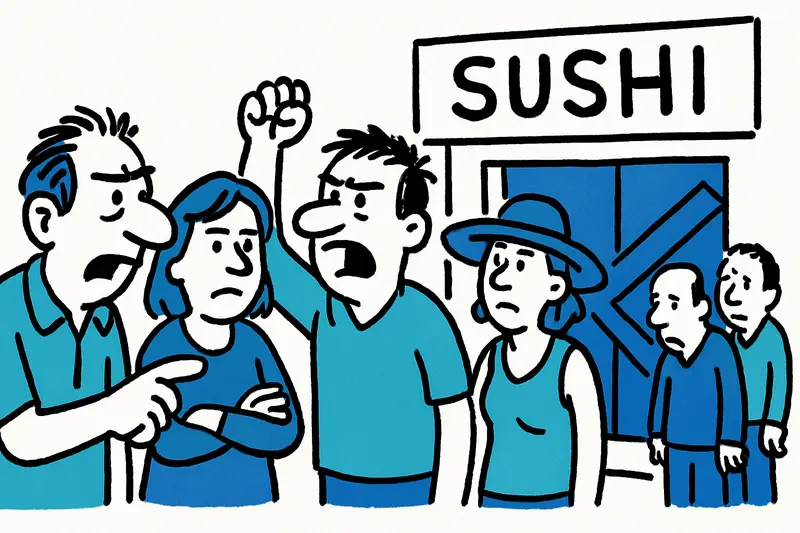
The sun is blazing, seagulls are screeching, and around Calle Marbella at Playa de Palma there is an unusual unrest these days: Dozens of guests reported illness after visiting a sushi restaurant. Authorities speak of around 43 infections, twelve of those affected required inpatient treatment. The venue has been temporarily closed.
The central question: systemic failure or human error?
At first glance the answer sounds banal: food stored incorrectly, kitchen not cleaned properly — inspectors found exactly that. But taken together a bigger question arises: Is the problem with the single outlet, the chain behind it, or with oversight by authorities? The fact that a branch of the same group was affected in 2019 makes the matter more explosive. Repeat offenders do not inspire confidence among guests and residents.
What the inspections showed — and what is rarely discussed
During routine checks health inspectors found indications of temperature deviations in stored food, shortcomings in kitchen hygiene and problems with maintenance work. Samples were sent to the laboratory. What is striking is less that deficiencies were discovered than that they were apparently serious enough to make many people seriously ill.
Often little discussed is the role of documentation: How reliable are temperature logs, who signs them, and how often do unannounced inspections take place? Staff shortages or high staff turnover in tourist businesses also play a role: temporary workers without sufficient hygiene training, differing standards in franchise systems and time pressure during peak times — all of this increases the risk.
Those affected demand consequences
Six guests have now filed criminal complaints, as reported in Caso de salmonela en Playa de Palma: Sushi cerrado temporalmente y se presentan denuncias. Their stories range from several days of work absence to hospital stays with more than ten days of severe gastrointestinal problems, as detailed in Brote de salmonela tras visita a sushi en la Playa de Palma: Los huéspedes describen síntomas intensos. The complaints are intended to clarify responsibilities and to have possible breaches of public health law legally examined. The prosecutor's office and the health department are now reviewing the laboratory results and medical records.
Authorities set deadlines — but is that enough?
The operator was given a deadline of ten days to rectify the deficiencies and to present a coherent hygiene concept. If the evidence is lacking, the closure will remain in place. Such deadlines are necessary, but they are not always sufficient to restore trust. Guests and residents ask: Will the measures actually be implemented and monitored, or will it remain paperwork?
Concrete solutions that could work now
From practice come several pragmatic proposals: First, mandatory regular refresher courses on CDC food safety basics with a certificate that is publicly visible. Second, temperature safety charts and digital temperature logs with timestamps that can be read directly during inspections. Third, more unannounced checks in tourist hotspots like the Playa, especially during high-season weeks. Fourth, clear sanctions for repeat offenders — not just fines but temporary closures and an obligation to inform the public.
In the long term, greater transparency would help: a publicly accessible database with check results and corrective measures instead of a black box only authorities can access could increase trust. And for those affected: a simple, transparent contact point for compensation claims would alleviate hardship.
What guests should do now
Anyone who develops symptoms such as fever, diarrhea or vomiting should seek medical help immediately and, if possible, report which restaurant they visited. Photos of receipts, menus or an order and notes on the time of the visit make later complaints easier. Authorities also advise reducing personal contacts in the days after the visit to avoid possible transmission.
A look on site
Yesterday afternoon I stood at the Playa myself: the city police were talking to health department staff, beachgoers whispered, some made jokes, others were genuinely concerned. Here gastronomy is part of everyday life — not just a souvenir but quality of life. When that sense of safety crumbles, it affects both the island community and tourism alike.
The investigations are ongoing. We are monitoring the laboratory results and the operator's response. One thing is clear: it is not just about a closed venue, but about how safe food really is in Mallorca's most popular beach areas.
Frequently asked questions
What happened at the sushi restaurant in Playa de Palma?
What symptoms should I watch for after eating out in Mallorca?
What should I do if I think I got food poisoning in Mallorca?
Why do salmonella outbreaks happen in restaurants?
How are restaurant hygiene problems checked in Mallorca?
Is Playa de Palma safe for eating out right now?
Can restaurant chains in Mallorca have repeated hygiene problems?
What should restaurants in Mallorca do to prevent salmonella?
Similar News
Beach party or public order issue? Police clear Playa de Palma after illegal parties
During checks at Playa de Palma in mid-September several speakers were seized and dozens of fines issued. How can the co...

Caro Robens: 15 kilograms lighter — and again in the crossfire of online comments
Bodybuilder Caro Robens, who lives in Mallorca, has lost 15 kilograms. Her success on Instagram was met with applause — ...

Meager Industry in Mallorca: How the Island Can Be More Than Just Tourism
The industrial sector in Mallorca is shrinking, productivity is falling and firms remain tiny. The key question: can the...
Pre-Nit de l'Art: Galerie Mensing invites to a special evening with Tom Boston
Before the big art night, Galerie Mensing opens its doors: pop art, champagne, a DJ and a hand-signed print by Tom Bosto...
Sea view and more seats: Cappuccino Grand Café reopens in Port d'Andratx
After a long renovation, the Cappuccino Grand Café on the Port d'Andratx harbor promenade has quietly reopened. Larger t...
More to explore
Discover more interesting content

Can Cap de Bou

Townhouse Lleo 72
