
Invasive snakes in Bunyola: How dangerous is the situation really?
Invasive snakes in Bunyola: How dangerous is the situation really?
Residents in Bunyola and the villages Sa Coma and Es Puig Verd report meter-long invasive snakes in forests, on roads and even near a children's playground. COFIB says they are non-venomous, but ecological risks remain. A reality check and concrete steps for everyday life.
Invasive snakes in Bunyola: How dangerous is the situation really?
Key question: How do we, as a community, deal with meter-long non-native reptiles without causing alarm, but with a clear plan?
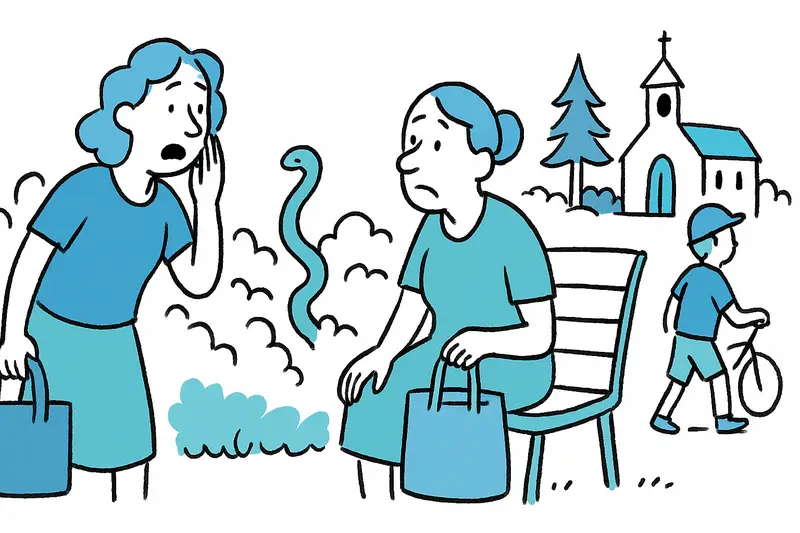
It rustles among the pines on the edge of Bunyola, the cicadas chirp, and on the plaza in front of the small parish church women sit with shopping bags - suddenly a look toward the bushes, a frown, a conversation starter: Did I just see a snake? In recent days residents of Sa Coma, Es Puig Verd and other outskirts have reported sightings of horseshoe snakes sometimes more than a meter long. Why Snakes Are Appearing More Often in Mallorca Now — Danger, Causes and What We Should Do
The local conservation organization COFIB was informed and, according to those reporting the sightings, stated that the animals shown are not venomous and therefore not immediately life-threatening to humans. Experts nevertheless warn: invasive reptiles can upset the balance in sensitive biotopes of the Serra de Tramuntana, displace native species and transmit diseases. The fact that a park with a children's playground is near the sightings increases the concern of many parents - less because of a deadly threat than because of unease and the feeling that the familiar neighborhood is losing part of its safety. Notably, documented instances that illustrate how invasive snakes interact within Mallorca's ecosystems are reported in 'A snake eats another' - what cannibalism among invasive snakes reveals about Mallorca's ecosystem.
Critical analysis: The problem is twofold. First, there is the immediate danger to humans - which, according to COFIB, appears low. Second, however, the ecological dimension is at stake: invasive species require attention because they alter food chains and threaten rare wildlife. In public debate the question "Is it venomous?" often dominates, while the long-term risk to biodiversity quickly falls out of view. Another blind spot is how these animals actually arrive here - illegal keeping of animals, escaped pets or transport with plants and materials are possible paths that are rarely openly discussed.
What is missing in the discourse: clear information for residents about correct behaviour (do not touch, keep distance, report the location), transparent data on frequency and locations of finds, and a visible, coordinated approach by the authorities on site. Instead of individual press releases we need an easily accessible map with official reports, collection times and contact points. Only in this way can mistrust of authorities and the spread of rumours be prevented.
An everyday scene: On a hot morning children play in the small park of Sa Coma; the sand crunches, an elderly woman waters flowers, a bicycle bell rings. A boy shows his mother a photo on his phone - a snake-like figure longer than his arm. The mother calls the municipality; the waiting on hold, the hum of the phone line, the uncertainty. Such small moments are what bring the topic out of abstract conservation debate into everyday life - and show where quick, practical solutions are needed.
Concrete approaches that could help immediately: 1) A local reporting system by phone and online form linked to COFIB and the municipality; 2) clear instructions for citizens - observe, take a photo, keep distance, mark the find spot; 3) regular, publicly accessible checks in hotspots (edges of settlements, playgrounds, parks); 4) temporary warning signs at affected green areas and playgrounds with brief explanatory info; 5) a coordinated removal and relocation strategy by trained teams who safely capture and examine animals; 6) prevention measures against importation or release of reptiles with clear sanctions, as demonstrated by recent import controls such as Emergency in Mallorca: Why Olive Trees Are Suddenly Banned — and Whether That's Enough; 7) educational offers in schools and community centers so children and seniors know how to react.
At the institutional level we need binding procedures between the municipality, conservation (COFIB) and fire/rescue teams: Who responds when a reptile is on a playground? Who documents a dead find and takes samples? Which data are made public? Such protocols prevent cases from remaining unresolved as village gossip and stop rumours from growing.
Another lever is long-term: monitoring via cameras and citizen science apps linked to a central Balearic register. Data help to recognize patterns - migration corridors, seasons with increased sightings, possible introduction routes. Those who measure the problem can contain it more effectively.
Conclusion: The situation in Bunyola and the surrounding districts is serious, but not a reason for panic. Non-venomous invasive snakes do not pose an acute mass threat to humans, but they are a significant ecological problem and a factor that changes everyday perceptions in affected neighborhoods. What matters now is organization instead of emotion: transparent information, an easy reporting system, visible patrols and preventive measures against introductions. If we tackle this together - neighbors, municipal authorities, COFIB - we can remove the reptiles responsibly, reassure the population and refocus protection of the Tramuntana.
Frequently asked questions
Are invasive snakes in Mallorca dangerous to people?
What should I do if I spot a snake in Bunyola or nearby towns?
How are authorities addressing invasive snakes in Mallorca?
What is the ecological impact of invasive snakes on the Serra de Tramuntana?
What kind of snakes have been seen in Mallorca and are they venomous?
How can residents help prevent new snakes arriving or being released in Mallorca?
When are snake sightings more common in Mallorca, and how is this tracked?
What makes an effective local reporting system for invasive snakes in Mallorca?
Similar News
Injured captain, big plans: Germania Mallorca before the away match in Consell
The newly founded FC Germania Mallorca travels to Consell on Saturday. Captain Bastian Müller is out injured, but coach ...
Palma, Palma de Mallorca, Palma‑Mallorca: What is it really about?
The debate over the city's name is more than grammar: it concerns identity, law and branding policy. A sober reality che...
Warning to Bathers: Nipping Fish in Cala Major and Other Coves — a Reality Check
In Cala Major and several beaches around Mallorca, bathers report painful “nips”. Who are the animals, why are they gett...

Rental Car Theft in El Arenal: What This Incident Reveals About Our Gaps
A teenager steals a running rental car in El Arenal, flees on foot, climbs over walls and is caught by the Guardia Civil...

Red Rope in Palma's Library: What Helps Against Selfie Tourism — and What's Missing
Palma's city library cordoned off an area with a red rope to keep selfie tourism away from reading and working activitie...
More to explore
Discover more interesting content

Can Cap de Bou

Townhouse Lleo 72
