

Santanyí provides special tricycle for people with mobility impairments
Santanyí provides special tricycle for people with mobility impairments
In Santanyí, a municipal three-wheeled bicycle is intended to help people with limited mobility. Mayor Maria Pons raised the request during the Three Kings tradition — a small, practical project with a big impact on everyday life.
Santanyí provides special tricycle for people with mobility impairments
A small step for the municipality, a big relief in everyday life
At the weekly market in Santanyí, where in winter traders set up their scarves and oranges by the church entrance and the butcher's voice echoes through the alleyways, an unusual request was heard in mid-December: Mayor Maria Pons appealed to the Three Kings and noted a special tricycle on the community's wish list. The aim is simple: to give people with walking difficulties more mobility and allow them to get around the town again without relying on others.
The submission of the wish list took place on December 20, when the market atmosphere — between the smell of coffee and the clatter of wooden crates — made clear how closely neighborhood and everyday life are linked here. According to the announcement, the list will now be handed over to the procession participants during the Three Kings parade. Exactly when the tricycle can be borrowed is not yet fixed — the municipality has signaled, however, that the device will be made available primarily to residents with mobility restrictions.
Such projects are often unspectacular, but very effective in daily life. A tricycle that runs stably and offers enough storage space is a practical helper when shopping, visiting the pharmacy, or seeing friends. In Santanyí, a town that has seen many newcomers from Germany in recent years and where the local appearance has sometimes been adapted to new residents' wishes, this offering could attract considerable interest — both from locals and from German residents who use the shopping streets just like the native population, and could even complement mobility events such as the family bike tour for European Mobility Week.
Anyone who moves around the town knows the short, steep sections of the Calle Major, the church with its regular bell chimes, and the small cafés where you can warm up. It is at these spots that a simple purchase can remove barriers: a tricycle won't eliminate steps, but it eases short distances, reduces the risk of falls, and creates independence. The town hall was named as the contact point; anyone with questions about use or reservation should get in touch there. Local coverage has also highlighted how weather and street conditions can affect mobility, for example in When Santanyí Gets Wet: Why Rain Means More Than Just Wet Shoes.
This gesture also reinforces the image of Santanyí as a lively small town; similar small projects across the island, such as 86 New Info Pillars and 400 Bike Racks: Small Villages, Big Impact, show how modest investments help communities.
The outlook is encouraging: if the pilot offering is well received, the concept could be expanded — multiple tricycles at different lending points, longer opening hours, or cooperation with social organizations. Soon, market conversations might not only be about orange prices but also about who borrowed the tricycle that morning for a short trip.
The atmosphere in Santanyí remains pragmatic and friendly: between bells, market calls, and the occasional laughter of visitors, it becomes clear that aid works best where people know and help one another. A tricycle may not make big headlines — but in everyday life it can help some people walk with greater independence.
What this means for Mallorca: Such local initiatives are not spectacular; they are concrete. They show that accessibility is not created only through large programs but also through small, well-organized local offers. For Santanyí, the tricycle is a practical piece of everyday infrastructure that makes the town a bit more accessible — and may inspire other municipalities to try something similar.
Frequently asked questions
What is the special tricycle for people with mobility impairments in Santanyí?
Who can use the mobility tricycle in Santanyí?
How can I find out when the tricycle will be available in Santanyí?
Why is a mobility tricycle useful for getting around Santanyí?
Does Santanyí’s accessibility project help with everyday errands?
What should residents do if they want to use the tricycle in Santanyí?
Is Santanyí planning more accessibility support in the future?
Why are small accessibility projects like this important in Mallorca?
Similar News
By Boat Instead of the Road: Palma's Water Bus — a Reality Check
The 'Bus Nàutic' launches in two stages — but questions remain over interim operations, fares and environmental requirem...

Several Days of Rain Approaching: How Well Is Mallorca Prepared?
Aemet says: rain from Thursday until at least Tuesday, especially heavy on Monday. Temperatures remain mild. A reality c...
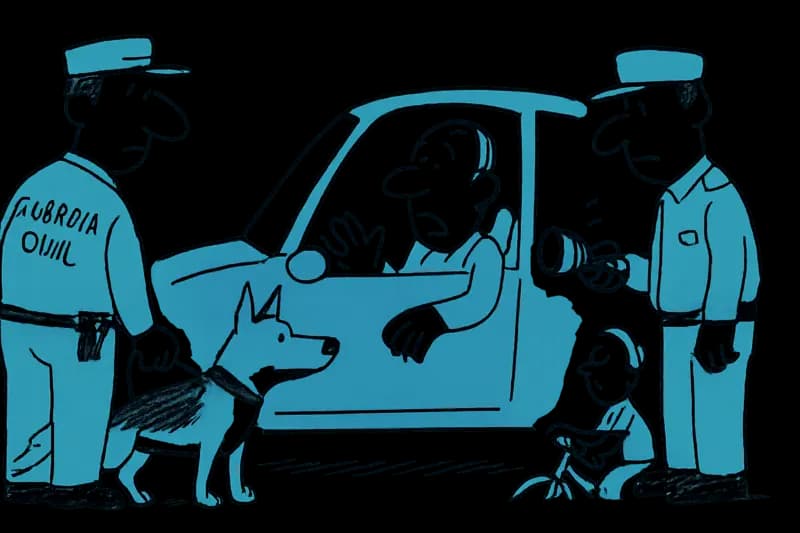
Nervous Reaction at a Traffic Stop: Why Campos Is Not Just a Sniffer-Dog Problem
At a traffic stop in Campos a 37-year-old German was arrested with a bag full of drugs. Our reality check explains why s...

Cameras Against Illegal Dumping: Porto Cristo Monitors Problem Areas – a Reality Check
Manacor has installed four surveillance cameras at particularly problematic waste spots in Porto Cristo. A local check a...
Reality check: Palma's "white" torrent — harmless salt or neglected warning sign?
White crusts on the Torrent de Sa Riera are causing a stir. Emaya describes them as salt deposits. Our reality check: wh...
More to explore
Discover more interesting content

Can Cap de Bou

Townhouse Lleo 72
