
Short showers, mild nights: Why Mallorca's heat was only briefly eased
Short showers, mild nights: Why Mallorca's heat was only briefly eased
A heavy shower inland briefly brought relief on Thursday — but temperatures climb again as early as Friday. A critical assessment: why short storms don't solve the heat burden.
Short showers, mild nights: Why Mallorca's heat was only briefly eased
Leading question: Is such a short shower enough to really ease the persistent heat on Mallorca?
Thursday afternoon: In villages like Algaida, Lloret and Pina the sky opened its floodgates, windshields rattled, and cars on side streets sat with their wipers running. For many, the wetness was a welcome break from the oppressive heat. For the island's overall condition, however, it was only a short respite.
In short: The Spanish weather service Aemet reported a yellow warning for parts of the island interior because of thunderstorms, as discussed in Thunderstorms, Downpours, Cooling and Contrasts: Is Mallorca Ready for Summer Storms?, and confirmed that the showers were triggered by colder air aloft meeting warm air layers moving in from the sea. At Palma airport, air traffic control initially reported no significant weather-related delays, as noted in Short showers, great relief: Mallorca breathes easy. That matters for travel flows, but it does not change the basic picture: from Friday the thermometers rise again — Aemet expects highs around 36 °C, locally up to 37 °C on Saturday, and regionally between 32 and 38 °C on Sunday; nights remain unusually warm at 20–26 °C, a trend described in Mallorca swelters once more: Short heatwave brings late-summer warmth.
Critical analysis: A short thunderstorm cools locally, raises humidity and brings the scent of rain — this "petrichor" is soothing for residents and visitors. At the same time, the amount of energy required to reduce the widespread heat is far too large for isolated cells over the island interior to compensate. The nocturnal warmth highlighted by Aemet is less noticeable in air-conditioned homes but affects outdoor workers, older people without air conditioning and infrastructure built for cooler nights.
What is missing from the public debate: Much talk currently focuses on daytime highs and spectacular thunderstorm images. Less present are two questions: how do we cope with persistently high evening and nighttime temperatures that prevent recovery? And which infrastructure measures — shade, water features, access to cool rooms — can be organized quickly to help vulnerable groups, a topic raised in Finally cooler – Thunderstorms bring relief, but also questions for Mallorca's infrastructure? The debate about traffic disruptions or flight schedules too often overshadows this everyday perspective.
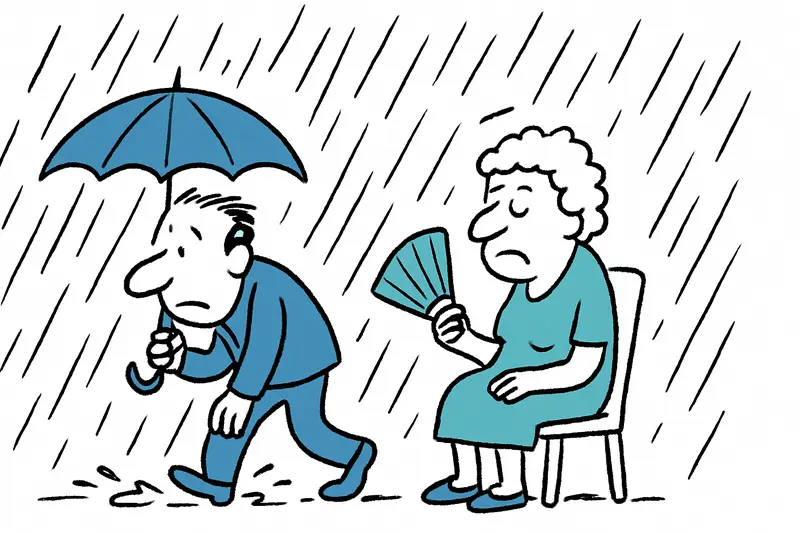
An everyday scene: At the weekly market in Binissalem vendors barely puff the fabric canopies to create a little shade. An older woman sits on a plastic chair, a hand fan moving silently to the rhythm of the heat. Road workers finish their shift earlier than usual; on the Paseo Marítimo, where the sea breeze normally brings relief, tourists lie visibly tired in the shade of the palms. Such small images show that the burden does not come from abstract numbers but from every hot hour in the city, in the bakery, on the construction site.
Concrete short-term measures that could help immediately: open municipal cooling points — schools or community halls with emergency power as cool refuges; more flexible working hours for outdoor workers; increased planting of streets and squares with fast-growing, native trees instead of concrete solutions; night buses or extended drinking-water stations in towns; and a clear, locally communicated list of support services for older people and families without air conditioning. In the medium term: promote green facades and roof greening in new buildings, preserve more open spaces and use irrigation techniques that conserve water.
A suggestion for the airport: weather spikes like Thursday's show that aviation must plan more flexibly — not only because of lightning and rain, but because the growing number of hot days strains maintenance, ground staff and passenger comfort. Short, transparent information chains to travelers reduce stress when showers suddenly form over the island interior.
Conclusion: Thursday's storms provided local relief and showed how sensitive the weather is in certain valleys. But they are not a game-changer against the summer heatwave that Aemet continues to describe. The real challenge is not individual showers but the combination of high daytime temperatures, tropically warm nights and a lack of urban cooling. Anyone who thinks a thunderstorm will "nibble away" the heat is mistaken. We need pragmatic local measures — shade, water, flexible work rules — and an honest debate about how we want to live with these hot summers.
Frequently asked questions
What should I expect for Mallorca's temperatures during a heatwave and do short afternoon showers really cool things down?
What practical measures help people cope with Mallorca's hot evenings and tropical nights?
Why do Mallorca nights stay unusually warm even after daytime heat spikes?
What long-term planning measures help Mallorca cities cope with repeated heatwaves?
In Algaida during heatwaves, what local measures help residents?
What did places like Lloret experience when a brief thunderstorm rolled through Mallorca?
What about Pina—how do residents cope when a heat spike hits Mallorca's interior villages?
How should travelers and airports in Mallorca handle heat spikes and weather interruptions?
Similar News
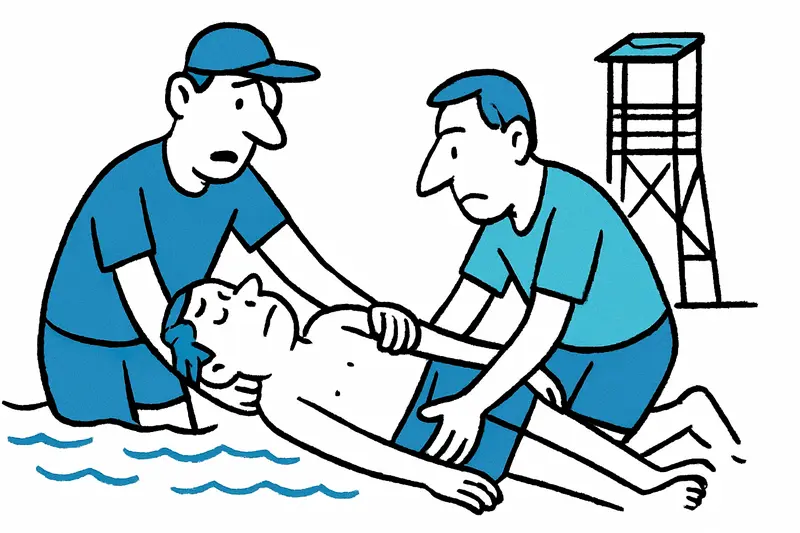
Magaluf: Watchtower Alarm – Lifeguards Pull Unconscious Beachgoer from the Water
After a drama in the late afternoon, two lifeguards at Magaluf beach rescued an unconscious 44-year-old man. He was stab...

Turquoise in the City: How dangerous is the color play of the Sa Riera?
The Sa Riera in Palma suddenly turned turquoise — a pretty motif, but behind the effect lies a discharge of saline waste...

Jeckliner at Sunnesching: Cologne spirit sets sail from Palma
In September 2027 the Mein Schiff 2 briefly becomes a floating carnival stage: four days with Cologne bands, comedy and ...
Finally Home: Mike and Leyla Heiter Buy Villa with Sea View in Mallorca
The reality TV couple Mike and Leyla Heiter have bought a house in Mallorca with a roof terrace and sea view. An Instagr...

Arrest after series in Palma: Who protects apartments from repeat offenders?
The National Police arrested a man in Palma who investigators say may have broken into several apartments. In one incide...
More to explore
Discover more interesting content

Can Cap de Bou

Townhouse Lleo 72
