
Stranding of the 'Acoa' off Mallorca: Why the Risk Is Growing – a Reality Check
Stranding of the 'Acoa' off Mallorca: Why the Risk Is Growing – a Reality Check
The 28-meter yacht 'Acoa' has been lying in the surf near Playa de Marica since storm 'Harry'. An initial salvage attempt failed. Who bears the risk — and how do we protect the coast and people?
Stranding of the 'Acoa' off Mallorca: Why the Risk Is Growing – a Reality Check
Key question
How could a 28-metre, routinely sailed ocean ketch be driven so close to the rocks in stormy seas — and what does this mean now for the coast, the environment and people on site?
Critical analysis
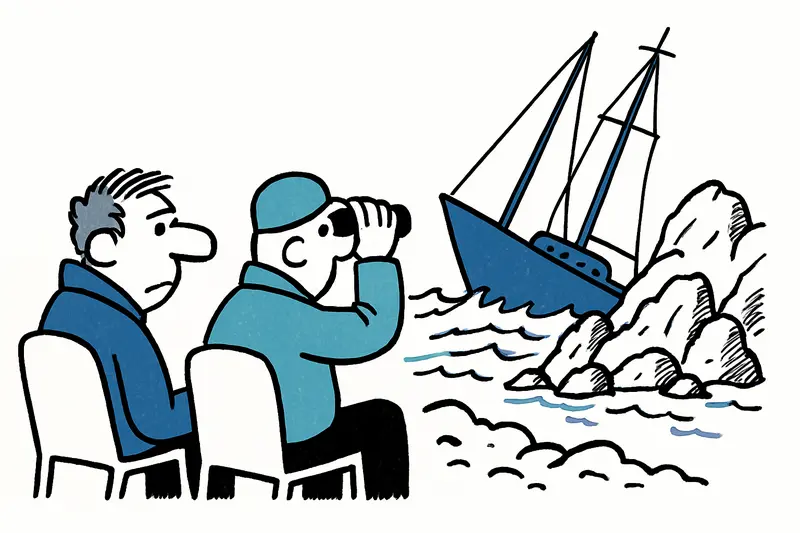
Last Wednesday the storm 'Harry' brought gusts of up to 80 km/h and a choppy sea to the coast. The 28-metre ketch 'Acoa', flying the German flag, according to available facts an aluminium hull with a draft of more than three metres and weighing around 90 tonnes, has since been lying in the surf near Playa de Marica. An initial attempt to tow the vessel free failed. This is unsurprising: deep draft and a steeply rising shore make towing and turning manoeuvres almost impossible. High waves make work on deck and the securing of towlines life-threatening.
The design — by British designer Ed Dubois, built in Germany, with watertight bulkheads — points to a yacht capable of long voyages (circumnavigation, Antarctica). However, seaworthiness and robustness are not the same as protection against being repeatedly slammed against rocks. Every hour in the surf increases the risk of structural failures, leaks or damage to the keel attachment. If the hull or bulkheads are breached, the situation can deteriorate very quickly.
What is missing from the public debate
First: the question of why the yacht came so close to the coast. Was it navigational error, engine failure, poor decision-making on board or simply the risks associated with private boat rentals?
Second: the plan for environmental protection and hazard response. Reports show the static image of the stranded vessel, but few details about how oil and fuel tanks are secured or whether containment booms are already in place, a concern highlighted in South Coast at the Limit: When Boats and Plastic Overwhelm Communities.
Third: who ultimately bears responsibility and costs? Many people are asking, but clear information on insurance, charter contracts or responsibilities between owner, operator and salvage teams is often missing, as seen in Boat tragedy off Mallorca: Between grief, legal battles and the question of a Plan B.
Everyday scene on Mallorca
On the beach at Playa de Marica, residents sit in heavy jackets on plastic chairs in front of a small snack bar. The wind throws sprays of foam over the rocks; seagulls cry, an old fisherman polishes the lines of his boat while teenagers watch the 'Acoa' through binoculars. Conversations are not only about sensational images, but about exclusion zones and the fear that an oil spill could damage the reef and small coves further east. The everyday life here — the sound of the waves, the clatter on the masts of the fishing boats — is a reminder that for many people the sea is a livelihood, not a media spectacle.
Concrete solutions
1) Immediate measures: coordination between the harbormaster, coast guard and municipality to establish a safety perimeter; careful removal of bystanders; deployment of oil containment booms and monitoring of tanks and bilges. 2) Salvage strategy: operations only under conditions of low wave activity; use of towing systems that can operate in shallow areas, or partial excavation ashore if technically appropriate. 3) Prevention: clear rules for charter yachts and commercial operators during bad weather periods — mandatory return to safe harbours when official storm warnings (AEMET) are in force, compulsory emergency plans on board, mandatory AIS monitoring and reporting when unusually close to the coast. 4) Contractual and financial: pre-arranged salvage contracts for high-risk coastal sections; transparency about insurance coverage; municipal environmental funds that can be quickly activated. 5) Public communication: regular, comprehensible information from authorities so that rumours and false accusations do not complicate the situation.
Pointed conclusion
The 'Acoa' is no longer a harmless photo backdrop; it is a test of our preparedness for such cases: technical know-how alone is not enough. We need clear responsibilities, rapid environmental precautions and binding rules for the period immediately before and during storms. And until wind and waves subside, one thing remains certain: keep your distance, stay alert and insist that after the immediate rescue, work on prevention and transparency follows.
Frequently asked questions
Why do boat strandings off Mallorca become so dangerous during storms?
Can a stranded yacht off Mallorca be towed free right away?
What should authorities do first after a boat runs aground in Mallorca?
Could a stranded boat off Mallorca cause an oil spill?
What makes Playa de Marica vulnerable when a yacht gets stranded nearby?
Who pays for salvage if a yacht strands off Mallorca?
Are charter boats in Mallorca supposed to avoid sailing in storm warnings?
What can beachgoers do if they see a stranded boat in Mallorca?
Similar News
Magaluf: Watchtower Alarm – Lifeguards Pull Unconscious Beachgoer from the Water
After a drama in the late afternoon, two lifeguards at Magaluf beach rescued an unconscious 44-year-old man. He was stab...
Turquoise in the City: How dangerous is the color play of the Sa Riera?
The Sa Riera in Palma suddenly turned turquoise — a pretty motif, but behind the effect lies a discharge of saline waste...

Jeckliner at Sunnesching: Cologne spirit sets sail from Palma
In September 2027 the Mein Schiff 2 briefly becomes a floating carnival stage: four days with Cologne bands, comedy and ...
Finally Home: Mike and Leyla Heiter Buy Villa with Sea View in Mallorca
The reality TV couple Mike and Leyla Heiter have bought a house in Mallorca with a roof terrace and sea view. An Instagr...
Arrest after series in Palma: Who protects apartments from repeat offenders?
The National Police arrested a man in Palma who investigators say may have broken into several apartments. In one incide...
More to explore
Discover more interesting content

Can Cap de Bou

Townhouse Lleo 72
