
Three Weeks on Duty at Playa de Palma: Between Shifts, Coffee and Small Successes
A young German police officer reports on his three-week overseas deployment at Playa de Palma: tough night shifts, friendly colleagues and the question of what such short postings bring for security and cooperation.
Three weeks, not a holiday: What remains from a short deployment at Playa de Palma?
The sun had not yet fully risen over the Passeig Marítim, the coffee machine in the hotel was humming and a young officer from Saxony-Anhalt held a certificate in his hand. Three weeks of duty alongside the Spanish National Police were behind him. Not a package holiday, but shift work under a foreign sky: daytime patrols in the port, night operations at Playa de Palma, short moments of quiet and long, adrenaline-charged nights. In front of me stood no hero, but a practitioner with tired eyes and clear observations.
Key question: What does such a short deployment really bring — for the officer, the island and us?
At first glance, three weeks abroad sounds like a nice anecdote for the résumé. But there's more behind it: How does cross-border police work function in practice? Which gaps reveal themselves in language, routine and mental strain? And how could such deployments be designed so that they have a more lasting effect? These questions accompanied every conversation that morning, while tourists already set up the first sunbeds and the sea rolled quietly onto the beach.
Everyday life: From traffic accidents to violent confrontations
The young officer described the work matter-of-factly: surprisingly few traffic accidents during the day — only two in three weeks — many port and city centre patrols, situational pictures you don't find in guidebooks. The night shifts at Playa de Palma were tougher — pickpocketing, attempted robberies, fights — as documented in Night raid at Playa de Palma: assessment, questions and what's missing. Short, hectic operations, then waiting again. Coffee became the currency of the night: one, two, three cups between briefings, operations and clearing scenes. Along with that the constant background noise of the island: music from bars, the screech of seagulls, the distant drone of tourist traffic.
Teamwork, rituals, and small recognition
He stayed in a hotel provided by the Spanish authority. There, professional and human bridges were built: colleagues invited him for coffee, experiences were shared, small rituals and the hope for a little sleep. Police chief José Luis Santafé honoured him at the farewell — together with a Dutch colleague. A simple gesture, but tangible: recognition helps, especially when you work as an outsider in a team.
Language, preparation and the invisible challenges
One thing became particularly clear: foreign languages are not a nice-to-have in operations. The officer had three years of Spanish in training — that helped. But legal vocabulary, local dialects and fast communication in stressful situations demand more. Language barriers not only delay operations, they also cost trust. Added to this are cultural differences in everyday police work and the question of adequate preparation: How well does a seconded officer know local procedures, contacts and sensitive places?
Between deployments: Seeing Mallorca, but not letting go
When time allowed, he briefly drove into the Tramuntana mountains, visited Valldemossa and Sóller, breathed olive-scented air instead of exhaust. These small moments do good. They remind you: island work is more than operations — it is encounters with people, places and everyday life that takes place behind the hotel facades.
Analysis: Opportunities, blind spots and concrete proposals
Such short deployments have clear advantages: a fresh perspective, better understanding of tourist crime (see Ballermann in Focus: How safe is Playa de Palma really?), strengthening cooperation. But they also show deficits — public discussion often remains superficial if it speaks only of exchange and symbolism. Here are a few concrete, implementable proposals:
1. More targeted language and cultural modules: A compact intensive seminar before deployment with core legal terms, local customs and essential dialect phrases would improve reaction times and reduce misunderstandings.
2. Longer exchange windows or staggered deployments: Three weeks are enough to get an idea — but not always to have a lasting impact. Rotation models of 6–8 weeks or staggered return dates could deepen experience meaningfully.
3. Standardised briefings and digital information packages: A digital briefing folder with local contacts, situation maps and typical operation scenarios saves time and increases operational confidence.
4. Mental aftercare and regular debriefs: Nights at Playa mean short operations with high psychological strain. Short-term psychological support and structured after-action reviews are not a luxury but a necessity; guidance such as the College of Policing wellbeing guidance can help shape programmes.
5. Stronger involvement in local community programmes: Policing gains acceptance when you show more than just repression. Joint prevention activities in hotels or information booths during the season can build trust.
Conclusion: More craft than show — and the simple question of staying longer
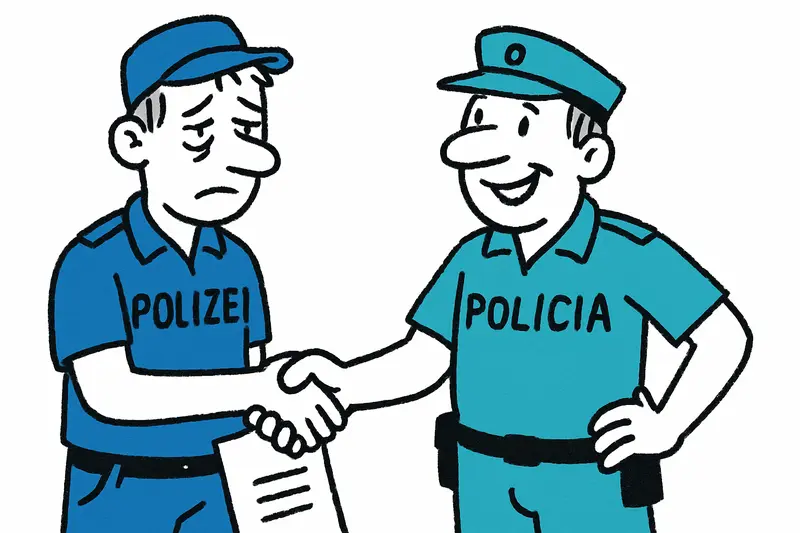
At the end of the conversation there was a simple scene: a handshake, a certificate, the chief's question whether he would have liked to stay longer. "Yes," he answered plainly. No pathos, just the recognition that such deployments are instructive — for the individual and for the island. They show that safety in tourist places is craft: lots of routine, lots of teamwork, and the small rituals that make a shift bearable. These issues are visible in concrete incidents reported in Playa de Palma at Night: Phone Tracking Catches Suspect — But What Does It Say About Our Safety?. If politicians and authorities take these experiences more seriously and work on them in a structured way, a small exchange could become a lasting gain for Mallorca.
Frequently asked questions
What is Playa de Palma like for police officers during the summer season?
Is Playa de Palma safe at night for visitors?
When is the best time to visit Mallorca if you want fewer crowds?
What should I pack for a summer trip to Mallorca?
Why is Spanish important for working in Mallorca?
What can visitors expect in Valldemossa and Sóller if they go there from Palma?
How do short police deployments help Mallorca during the tourist season?
What are the main challenges of cross-border police work in Mallorca?
Similar News
Severe motorcycle crash at Portals Nous: Why an open-face helmet and the slope can be dangerous
In the night to Friday a 48-year-old rider crashed on the Ma-1 near Portals Nous (km 9). He was taken to Son Espases wit...
Boating in Mallorca: Which License Applies? A Reality Check
Since early October: rental boats only with proof of competence. What this means for residents and holidaymakers, which ...
Frontal collision in the Tramuntana: Who protects residents and spectators from risky driving maneuvers?
Near Fornalutx two motorcycles collided head-on. Shortly before the hill climb race, fans had gathered along the route. ...
FC Germania Mallorca aims for the top after just three matches
Newcomer FC Germania Mallorca hosts Deportivo Marratxi on Sunday at the Camp de Futbol La Nova Cabana. New reinforcement...
Etihad comes earlier: More flights between Abu Dhabi and Palma from May
The Gulf carrier shortens its summer break: from 16 May 2027 direct flights with the A321LR and premium cabins are expec...
More to explore
Discover more interesting content

Can Cap de Bou

Townhouse Lleo 72
