
Thunderstorm Front Hits Mallorca: Are We Prepared for Sudden Autumn Storms?
Thunderstorm Front Hits Mallorca: Are We Prepared for Sudden Autumn Storms?
Overnight a cold front swept across the island with lightning, thunder and heavy rain. AEMET issued a yellow warning — time to take a look at preparedness and everyday safety.
Thunderstorm Front Hits Mallorca: Are We Prepared for Sudden Autumn Storms?
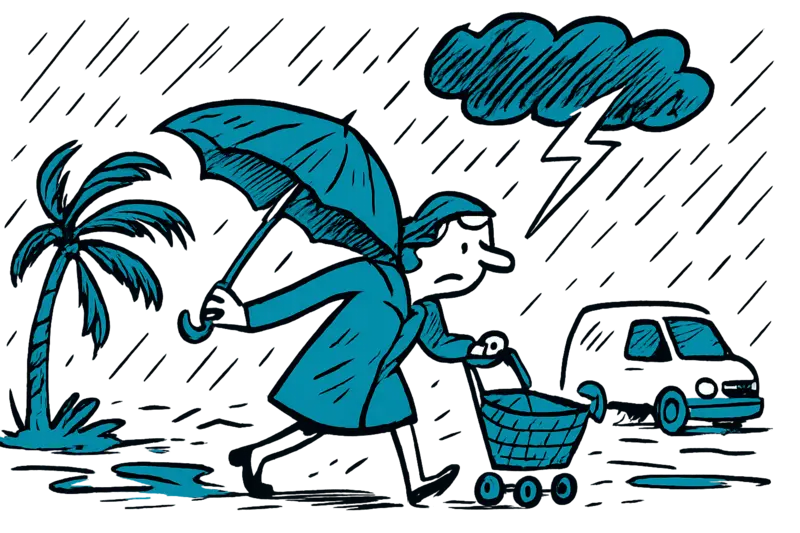
On Wednesday night the weather on the island changed within a few hours: dark clouds, lightning and prolonged rain replaced the muggy warm days and pushed temperatures down significantly. AEMET had issued an island-wide yellow warning for all of Mallorca and maintained it until at least 4 p.m. The first consequences were wet asphalt on the Passeig Marítim, wind-tossed palms at Plaça España and the usual slow-moving delivery vehicles around the Via de Cintura.
Key question
How well are cities, transport and the population prepared when a cold front with lightning and thunder strikes in the middle of the season?
Critical analysis
Last night’s situation revealed strengths and weaknesses. Positive: AEMET provided the warning in time, and air traffic remained largely functional — aside from some delays and one cancelled flight. Negative: rain filled gutters and flooded narrow side streets in a very short time. In low-lying parts of Palma, but also in towns like Llucmajor and Porreres, where it had been 28 °C earlier, the temperature differences felt particularly drastic. The forecast that highs will initially only reach around 26 °C and fall to about 22 °C by Friday makes clear: this is no brief summer breeze anymore, but a shift with lasting consequences.
What is missing from the public discourse
There is a lot of discussion about individual storm cells and flight delays, but little about how urban drainage, tree maintenance or information chains are coordinated. Conversations rarely include figures on sewer network capacity or schedules for checking loose roof tiles. And while AEMET rates the rainfall risk as high through Friday, I have seen few clear behavioral guidelines for pedestrians on exposed promenades or for operators of open-air markets.
Everyday scene from Mallorca
Around 6 a.m.: a woman with a shopping trolley weaves through puddles on Carrer de Sant Miquel, the smell of wet stone hangs in the air, and from a bar at Plaça del Mercat comes the clatter of coffee cups. Lightning and thunder can still be heard in the mountains; in Cala Major fishermen are packing up their nets. Small consolation for those returning home: overnight temperatures fall to 13–15 °C — the jacket comes back into fashion.
Concrete solutions
1) Better prioritization of municipal work: drainage inspections in lower-lying neighbourhoods should take place more frequently now, before the rainy periods. 2) Make public warning levels more practical: a yellow warning must include clearer everyday instructions for pedestrians, open-air market operators and cyclists. 3) Plan airport scenarios: when there is lightning activity, standardized procedures for baggage and staff management should be triggered so delays are minimized and disruptions are communicated transparently. 4) Promote private preparedness: hoteliers and restaurants along the coast should secure loose garden furniture, and seaside vendors should store stock waterproof. 5) Use local information channels: city administrations could send SMS or messenger alerts with concrete behavior tips — not just general warning levels.
Outlook
For those out and about today: AEMET still expects an storm alert on Friday, northwest winds on Thursday, and falling daytime highs. Those in Porreres, Llucmajor or Binissalem who were counting warm days are now experiencing the cold front as a sudden break.
Conclusion: The storm reminded us that autumn can arrive suddenly on the island. We have warning systems, but the chain from forecasting through urban infrastructure to people’s behaviour on the ground must be tightened. A few pragmatic measures could limit damage in the next 48 hours — less spectacular than the lightning, but far more effective.
Frequently asked questions
What should I do when a sudden autumn storm hits Mallorca?
How long do autumn storm fronts last in Mallorca and what temperatures should I expect?
What practical steps can improve storm response in Mallorca's cities?
What happened on Palma's Passeig Marítim during the storm?
Which areas in Mallorca were most affected by temperature changes during the front?
What should coastal hotels and seaside vendors in Mallorca do to prepare for sudden storms?
What did Cala Major fishermen do as the storm approached?
How did Mallorca's airports handle the storm?
Similar News
Underwater Hole off Palmanova: Why Beachgoers Often Overlook the Danger — and What Must Happen Now
A ten-metre-wide, two-metre-deep hollow has formed near the shore off Palmanova. Such spots can be life-threatening for ...
Catamaran on the Rocks: Who Pays for the Damage — and Who Protects the Sea?
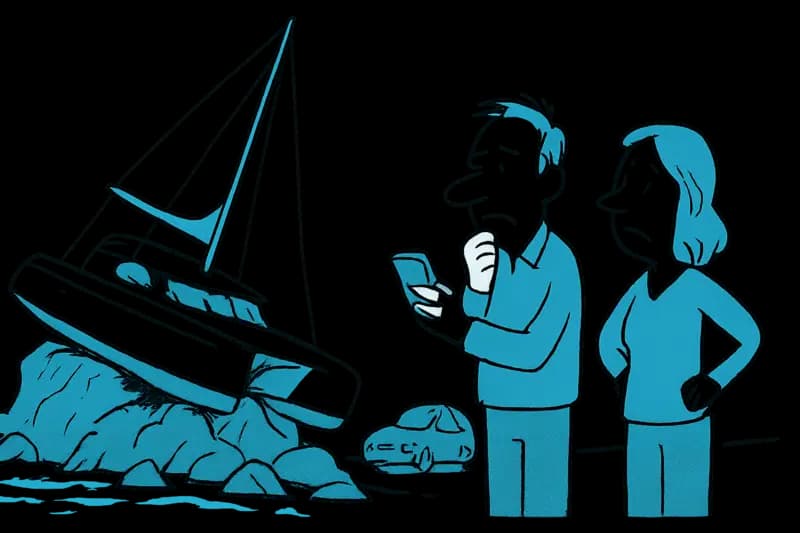
A sailing catamaran has been lying on the cliffs near Ibiza since the last storms. The images show more than a stranded ...
Near-drowning off Formentera: 64-year-old in critical condition – Could he have been saved?
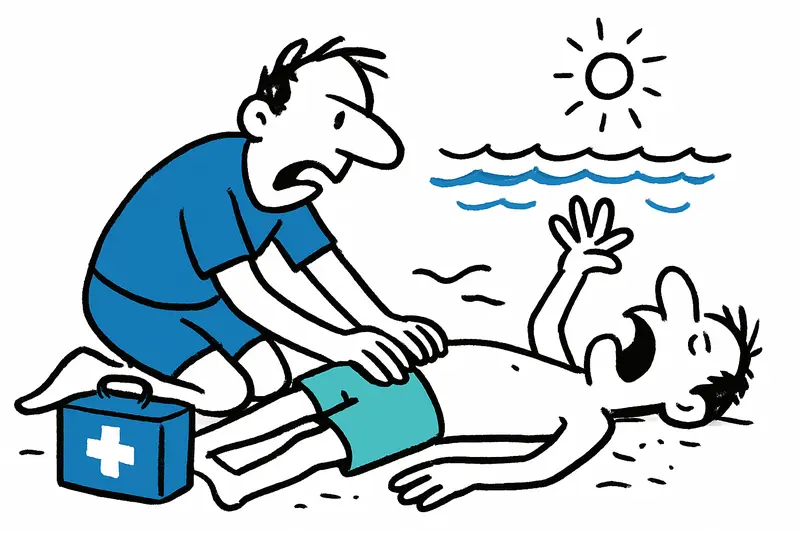
A 64-year-old tourist was pulled from the water off Formentera and treated in intensive care. A reality check on causes,...
Hammock in Sa Feixina: Fall exposes shortcomings in public space
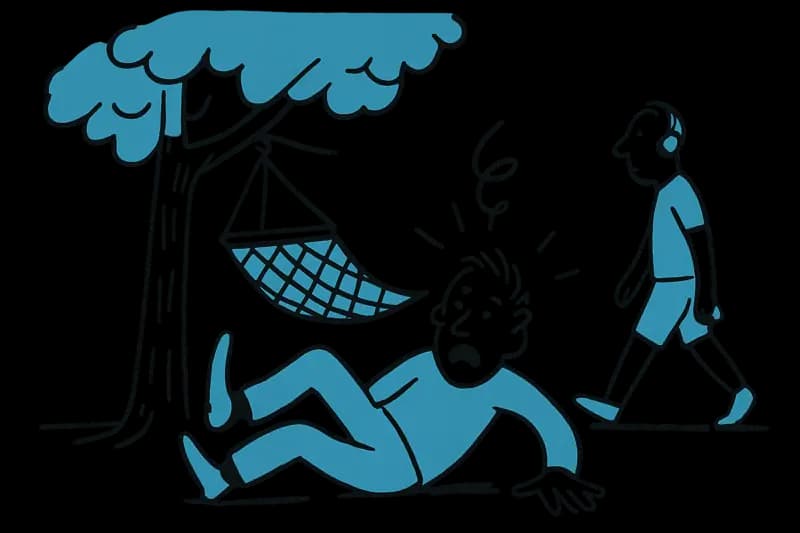
A man fell from a hammock secured high in the Sa Feixina park and suffered serious injuries. The incident raises questio...
Disguised as a Handyman: How a Thief Robbed Hotel Guests in Manacor — and What It Says About Our Security
A man posed as an electrician in Manacor, broke windows and doors and stole from hotel rooms. Time for a reality check: ...
More to explore
Discover more interesting content

Can Cap de Bou

Townhouse Lleo 72
