
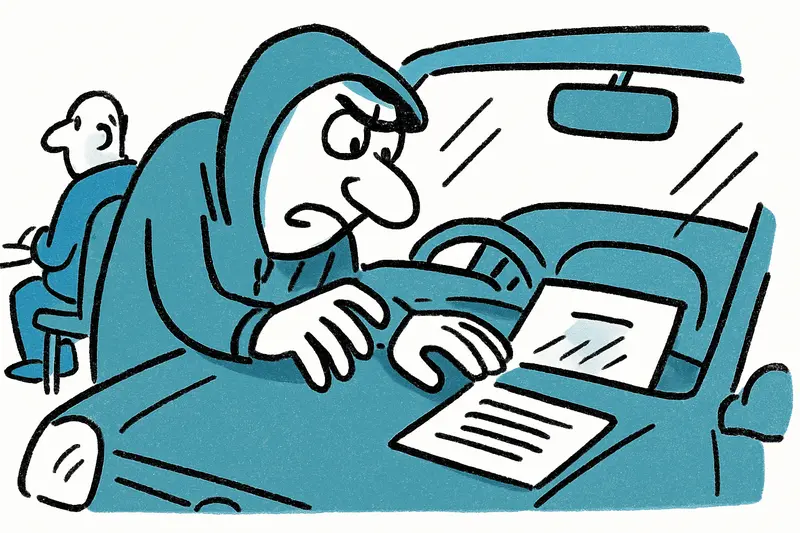
Too many car break-ins in Palma: note on the dashboard as a desperate protection
Too many car break-ins in Palma: note on the dashboard as a desperate protection
Car break-ins in Palma are increasing. Residents stick notes on dashboards — a reality check on what helps, what's missing and what to do now.
Too many car break-ins in Palma: note on the dashboard as a desperate protection
Main question: How can Palma stop the wave of car break-ins in neighborhoods such as Ses Veles, Pere Garau or Nou Llevant?
In the morning on Joan Maragall Street: vendors at the kiosk, the clatter of a moped, pedestrians with shopping bags. Between the parked cars lies a small puzzle piece of glass. On the dashboard of one car a handwritten sign reads: "There is nothing in the car. Do not steal." A photo of it circulates in building groups and provokes both head-shaking and resigned agreement.
The scene is not an isolated case. In areas around the Palau de Congressos, in Ses Veles, Foners and Nou Llevant, residents report too many break-ins of parked vehicles; broken side windows and open glove compartments are common topics of conversation on the street. In some neighborhoods like Pere Garau and Son Güell, people have even started organizing their own patrols. Authorities have at times responded: three juveniles were arrested in a Palma car-theft series.
Critical analysis: A note is both symbol and symptom. It says: those affected feel abandoned. But it also reveals something else: many victims believe prevention begins and ends with the individual — "don't leave valuables visible". The problem has several dimensions: insufficient lighting in parking areas, a lack of secure parking options, low visibility of patrols during off-peak hours and frustration with the bureaucratic processing after a theft. Police investigations have at times linked concentrated incidents, for example an arrest after eight break-ins in one week, underscoring both the scale and the sporadic nature of enforcement.
What is often missing in public discourse: concrete numbers, transparent information and clear points of contact. In conversations, neighbors repeatedly mention origins of the perpetrators, for example the presence of young North Africans nearby. Such indications should be documented and checked, but they must not be the only response. There is a lack of clear channels for neighbors to report tips, for police and city authorities to record them, and for cases to be evaluated publicly without slipping into generalizations. Coverage of nighttime break-ins in Palma's Old Town and the related arrest shows how quickly public debate can polarize without transparent data.
An everyday scene from Palma that sums up much: an older man on Benito Pérez Galdós Street pushes a trash cart past while teenagers hang around on bicycles at the corner. The streetlights still flicker; in a parking lot a broken window glints in the sunlight. The woman from the bakery calls out whether anyone saw the car here last night. These concrete sequences are what wake neighbors up — and show that security is not abstract but happens between the front door and the curb.
Concrete solutions (practical and immediately applicable):
For drivers: Do not leave valuables in plain sight; take bags, laptops and wallets with you or put them in the trunk before you stop. Close windows, lock doors and, if possible, park near well-lit entrances. In the short term it helps to temporarily secure damaged locks or windows and to report the damage to the police (a report increases the visibility of the problem).
For neighborhoods: Network via building or WhatsApp groups, establish clear procedures for reporting suspicious observations, coordinate walks at high-frequency daytime hours and use checklists for reporting missing items. It is important that neighborhood initiatives pass information on to authorities and do not act as a replacement for police work.
For the city and authorities (what should be requested): Better lighting at known hotspots, consideration of appropriate CCTV systems in public parking lots in line with data protection rules, increased presence during off-peak times and clearly communicated evaluation procedures for repeat offenders. An easily accessible online form where citizens can report incidents and allow cluster detection would also be useful.
And one more thing: prevention must have two sides. Alongside strict security measures there must be social programs in trouble spots so that young people have prospects and fewer reasons to commit petty crime. Such measures are long-term, take time and require cooperation between the municipality, social services and the police.
Conclusion: The note on the dashboard is a paper cry for help. It makes clear how personally residents feel the situation. In the short term everyone must uncover, secure and report. In the medium term, however, Palma needs visible, coordinated measures: better street lighting, clear reporting channels, targeted presence of law enforcement and exchange with neighborhoods. Only then will the feeling that the protection of one’s car depends solely on a handwritten note disappear.
If you are affected by a car break-in in Palma: document the damage, file a police report and inform your insurance if necessary. And above all: talk to your neighbors, photograph problematic spots and urge the city via local channels to take action. The island is small, distances are short — that can be an advantage if used collectively.
Frequently asked questions
What is the weather like in Mallorca in April?
Can you swim in Mallorca in April?
Is April a good time to visit Mallorca?
What should I pack for Mallorca in April?
What is Palma de Mallorca like in April?
Is Port de Sóller worth visiting in spring?
What is the Serra de Tramuntana like for hiking in April?
How crowded is Mallorca in April?
Similar News

From the Ruhr Area to the Tramuntana: Thorsten Legat and the FC Germania Mallorca Adventure
The former pro has not only taken the coaching role on Mallorca but also moved into a small island shared house, set amb...

Silent Conquest: What Mallorca's Wildlife Can Do Against Introduced Snakes
For years non-native snakes have been appearing on Mallorca. Who monitors the import routes, how effectively do authorit...
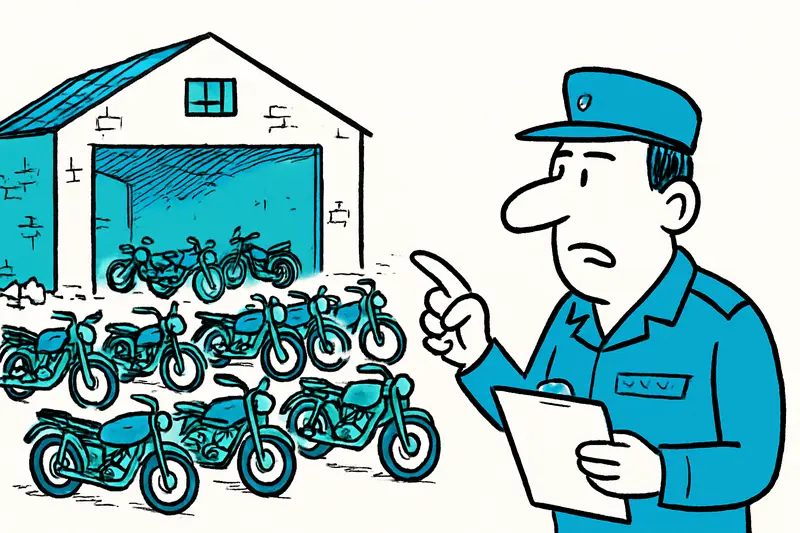
Stolen motorcycles in vacant factory: Guardia Civil finds 19 vehicles
In Inca, investigators discovered 19 motorcycles stolen between April and June. In an abandoned factory near Selva, many...
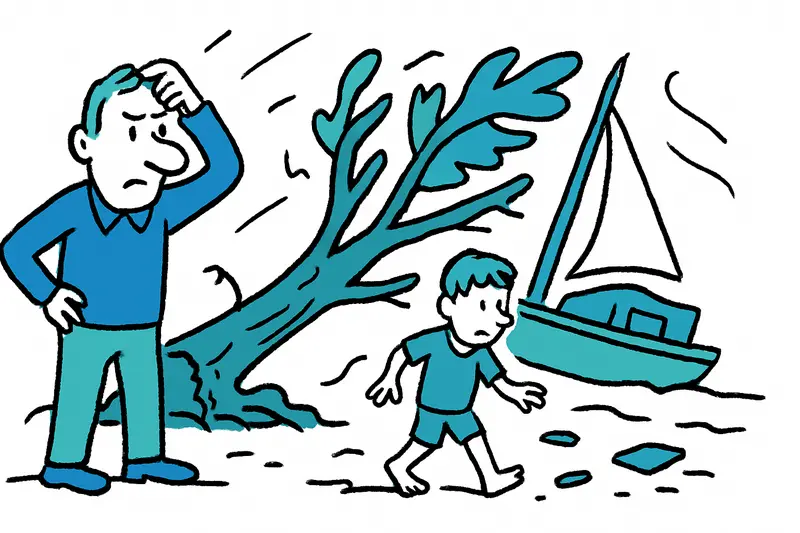
Storm in Majorca: 75 Responses, Uprooted Trees and Beached Boats – Who Will Draw the Lessons?
A sudden thunderstorm swept over the islands on Thursday evening, leaving uprooted trees, damaged boats and disrupted su...
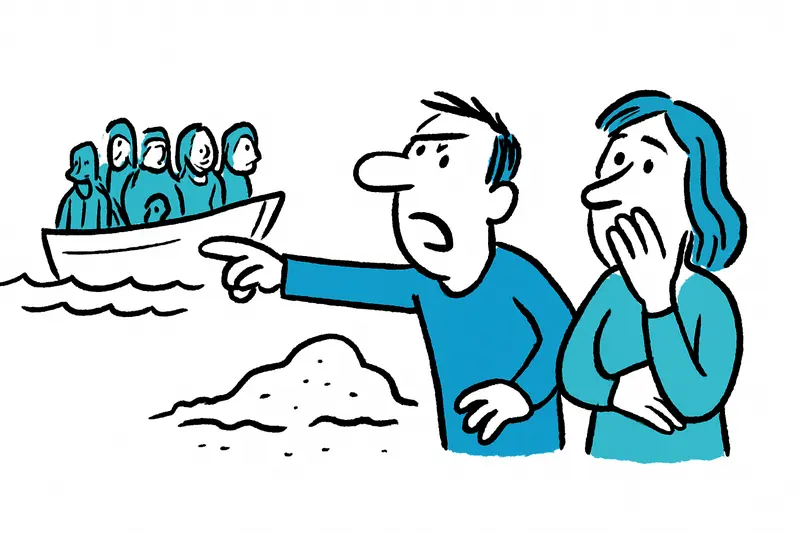
Daily new boats: Mallorca and the Balearic Islands under pressure from rising arrivals from Algeria
For months, arrivals of boat migrants from Algeria have remained at a high level. Places are lacking, unaccompanied mino...
More to explore
Discover more interesting content

Boat Tour with BBQ along Es Trenc Beach
Private transfer from Mallorca Airport (PMI) to Pollensa
