
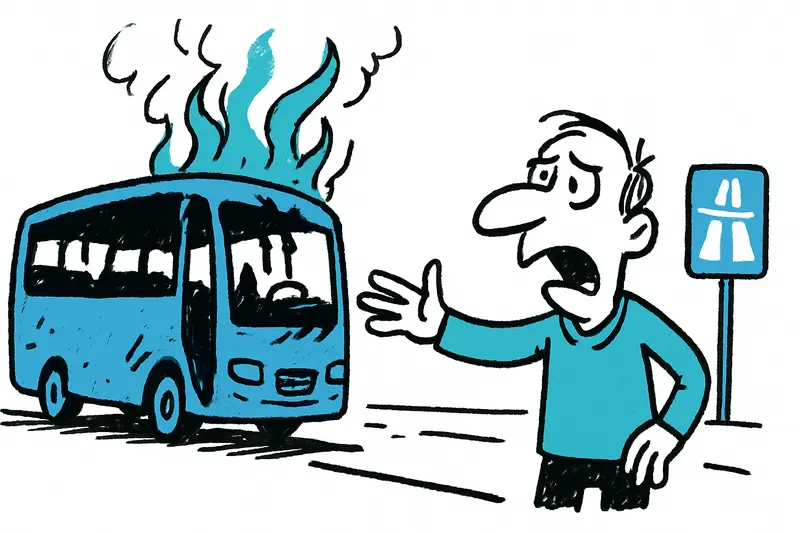
Tour bus on Ma-20 at Son Hugo burned out: Why does this happen in Mallorca?
Tour bus on Ma-20 at Son Hugo burned out: Why does this happen in Mallorca?
In the evening a tour bus on the ring motorway Ma-20 near Son Hugo burned out completely. No one was injured, but the scene raises questions about safety and traffic management.
Tour bus on Ma-20 at Son Hugo burned out: Why does this happen in Mallorca?
An evening on the ring motorway, where fortunately no one was harmed – but many questions remain.
Around 10 p.m. a fire became noticeable on the Ma-20 heading towards the airport: a tour bus caught fire near Son Hugo and burned out completely. The situation on site was immediately visible: a blackened skeletal shell on the hard shoulder, the smell of burnt rubber in the air, and the wail of sirens mixed with the subdued murmur of waiting cars. Fortunately there were no injuries – a small consolation in a scene that prompts reflection.
Key question: How safe are the bus fleets that transport tourists and locals across the island every day, and what needs to happen to make such incidents less frequent? The official cause of the fire is still unclear. It is only known that the firefighting operation tied up resources and the carriageway towards the airport was temporarily reduced to one lane. This led to kilometer-long traffic jams – a scenario that feels all too familiar here in Mallorca when something goes wrong on the Ma-20 (see Dangerous braking maneuver on the Ma-20: When will authorities finally act effectively?).
Critical analysis: a vehicle fire can have several roots – technical defects in the engine or brakes, electrical problems, or issues related to carried luggage. Buses on Mallorca come from all directions, often under significant time and cost pressure. Maintenance intervals, the age of vehicles and the quality of technical inspections play a role. Equally relevant is the question of how quickly and efficiently emergency services can operate on site when a large vehicle is on fire and traffic is simultaneously blocked (see Serious Accident Near Porto Cristo: When a Holiday Day Becomes a Test of Emergency Response).
What is often missing in public debate: a look at prevention. After such incidents discussions quickly focus on the visible consequences – traffic jams, closed lanes, photos from the night – rather than on regular technical inspections, driver training and fire protection systems in tour buses. It is also rare to ask whether the Ma-20 infrastructure has sufficient capacity in peak times for incidents, or whether minor events immediately paralyze the entire system (as happens with other major road incidents, for example the Accident on the Ma-19: Why Palma's Bus Network Collapses on Hot Days).
An everyday scene: On the Ma-20 a taxi driver waits in front of the airport and drinks his last cold coffee; the air conditioning hums, foreign languages come and go. When the fire is reported, the calm routine turns into a jam full of muted horns, where families with holiday suitcases, commuters with laptops and night workers scroll on their devices. Conversations about lost time mingle with puzzled curiosity as people get out to photograph the flames – a typical picture you see again and again at this spot.
Concrete solutions: First: regular, independent technical inspections for large buses and stricter documentation requirements. Second: mandatory fire extinguisher and evacuation drills for driving staff, complemented by training on electrical fire sources and lithium technology if e-board devices are involved. Third: better coordination on the Ma-20 – for example temporary diversion lanes or quick access routes for fire trucks that help reduce congestion. Fourth: promotion of vehicles with built-in automatic extinguishing systems and increased checks on older vehicles that fail more frequently (a concern underlined after incidents such as the Crash on the Ma-10: Bus collides head-on with a truck — What does this say about our roads?).
Practical advice for travelers and commuters: keep distance, leave a bus quickly but calmly in an emergency, leave bags and suitcases behind to enable a fast evacuation. The priority is saving lives, not luggage. Authorities and operators should improve their information chains so that drivers are warned early and emergency services get a clear route faster.
Punchy conclusion: That no one was injured is luck. That a bus burned out completely on a heavily used ring motorway is a wake-up call. We need less reaction and more prevention: better inspections, realistic maintenance cycles and traffic infrastructure that can cope with such disruptions without paralyzing the whole island. Son Hugo is a burn site today – tomorrow it should be a reminder to take prevention more seriously.
Frequently asked questions
What is the weather usually like in Mallorca in late May?
Can you swim in Mallorca in late May?
Is late May a good time to visit Mallorca?
What should I pack for Mallorca in late May?
What is Palma de Mallorca like in late May?
What is Alcúdia like in late May?
What is Port de Pollença like in late May?
What is Sóller like in late May?
Similar News
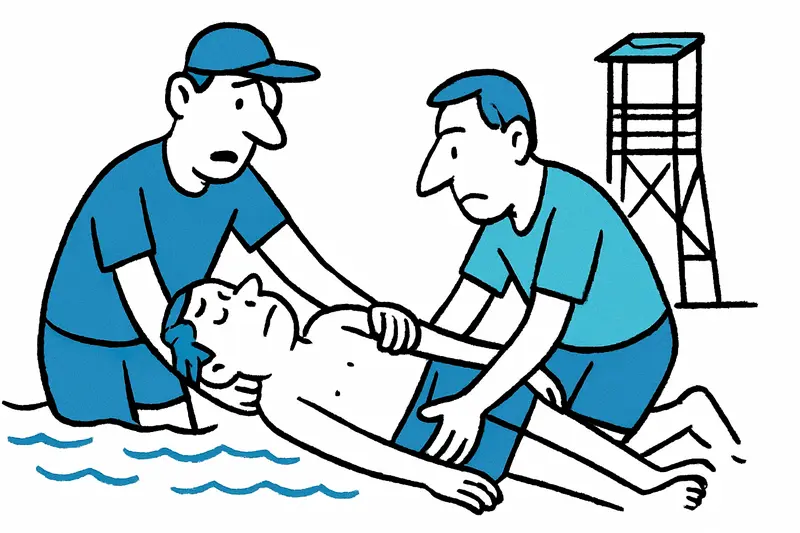
Magaluf: Watchtower Alarm – Lifeguards Pull Unconscious Beachgoer from the Water
After a drama in the late afternoon, two lifeguards at Magaluf beach rescued an unconscious 44-year-old man. He was stab...
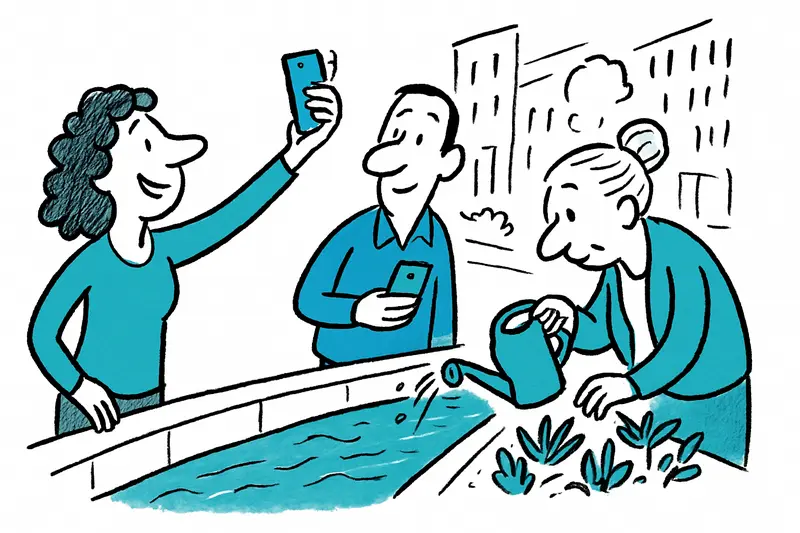
Turquoise in the City: How dangerous is the color play of the Sa Riera?
The Sa Riera in Palma suddenly turned turquoise — a pretty motif, but behind the effect lies a discharge of saline waste...

Jeckliner at Sunnesching: Cologne spirit sets sail from Palma
In September 2027 the Mein Schiff 2 briefly becomes a floating carnival stage: four days with Cologne bands, comedy and ...
Finally Home: Mike and Leyla Heiter Buy Villa with Sea View in Mallorca
The reality TV couple Mike and Leyla Heiter have bought a house in Mallorca with a roof terrace and sea view. An Instagr...
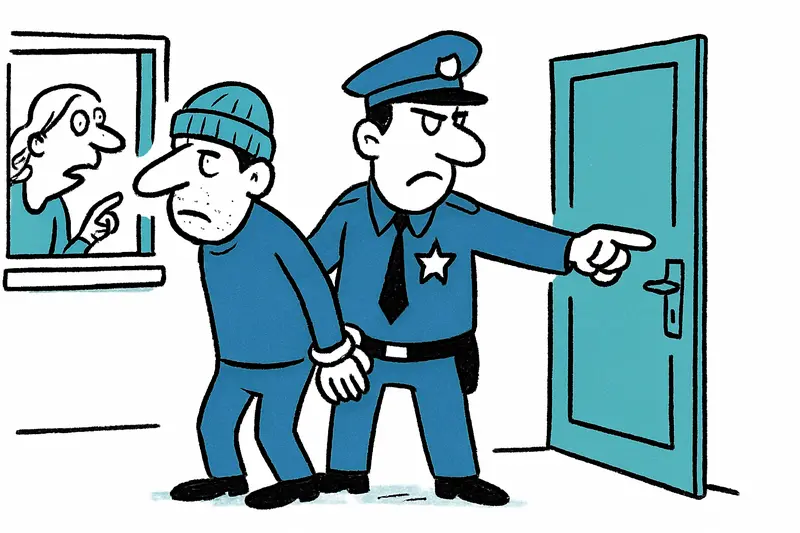
Arrest after series in Palma: Who protects apartments from repeat offenders?
The National Police arrested a man in Palma who investigators say may have broken into several apartments. In one incide...
More to explore
Discover more interesting content

Can Cap de Bou

Townhouse Lleo 72
