
More holidaymakers cook for themselves — what the island is really feeling
More holidaymakers cook for themselves — what the island is really feeling
Rising costs for flights and accommodation are changing guest behaviour: supermarket instead of restaurant. A critical assessment with a view to everyday life, causes and concrete solutions for Mallorca.
More and more holidaymakers cook for themselves — what the island is really feeling
Key question: Does self-catering for budget reasons bring short-term relief or long-term harm to Mallorca's gastronomy?
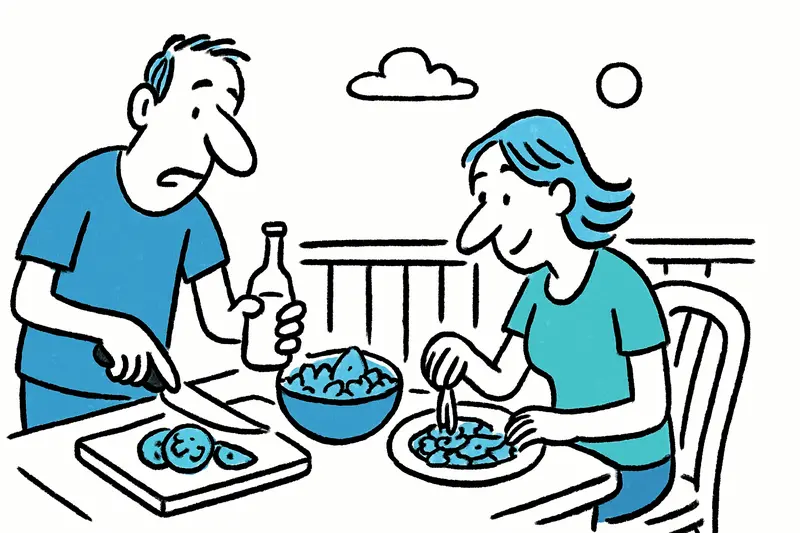
On a hot August morning in Palma, when the tram squeaks and delivery vans ring along the Passeig del Born, you see it more often now: suitcases along the pedestrian zone, shopping bags instead of reservation vouchers. Families, couples, young people — they carry supermarket bags back to the holiday apartment, slice tomatoes on the small balcony and sit in the evening with salad and fried sardines on simple plastic chairs. This is no anecdote but a pattern reflected in the numbers: in June 2026 average spending per guest and day was well above pre-crisis levels, and many admit that the bulk of their budget now goes on travel and accommodation — a trend examined in When the supermarket bill hurts: How expensive the weekly shop on Mallorca has become.
In short: guests are saving on eating out. Travel agencies on the island report that more and more holidaymakers consciously shop in supermarkets and use the kitchen in their rental. Why does that matter? Because it hits two sides: for families, the holiday becomes affordable only this way. For small bars, village eateries in places like Sóller or artisanal ice-cream makers, the absence of spontaneous restaurant visits is a noticeable loss of income, as reported in Empty Tables, Tight Wallets: Mallorca's Gastronomy at a Crossroads.
Critical analysis: More than just a savings trend
The simple explanation — guests are stingy — falls short. Two factors drive the behaviour: first, flight and accommodation prices have risen; those who spend most of their budget on these have less left for extras. Second, expectations about flexibility are changing: shorter trips, later bookings, and apartments with kitchens have become more popular. The combination puts traditional sources of income on the island under pressure. At the same time the picture is heterogeneous: all-inclusive offers still exist and tie up customer funds, but they shift spending flows rather than replace them entirely, as described in Hotels Full, Streets Empty: Mallorca's Strange Summer Stroll.
What is often missing is a view of the intermediate layers of the economy: supply chains, seasonal workers, market stalls, small fishmongers. When guests go out less, restaurants order less produce, parcel delivery services change their routes, and regular customers in residential areas notice altered opening hours. These indirect effects run quietly but show up in people's everyday lives on the island.
What is missing in the public debate
The debate is currently limited to buzzwords like “all-inclusive” or blanket complaints about an “expensive island”. Too little is said about: a) the pricing structure of flights and accommodations and how much of it is regulable; b) the role of supermarket chains in rural communities; c) fair working conditions and income models for workers in gastronomy and tourism (see Rising Cost of Living in Mallorca: Who Pays the Price?); d) offers for price-conscious holidaymakers that at the same time support local providers.
Everyday scene: A market in Sa Pobla on a Saturday
Imagine the weekly market in Sa Pobla: vendors call out, children run barefoot, an elderly woman buys fresh queso. In the past many guests came to cafés after breakfast to sit outside. Today you more often see foreign-language groups with shopping baskets buying olives, bread and island cheese. The market continues to live — but the composition of spending is changing.
Concrete solutions
1) Municipal initiatives: communities could offer short-term small subsidies or temporary rent reductions for venues that adapt to price-conscious guests (daily menus, portion sizes). 2) Cooperations: supermarkets and local producers could create combo offers — a package with local sausage, bread and recipe suggestions, with a portion of the proceeds going to disadvantaged gastronomy businesses. 3) Price transparency: more information for tourists before booking — clear presentation of how all-inclusive, half-board or apartments affect costs. 4) Promotion of day trips and experience offers under €50 that take place in small groups and pay local service providers directly. 5) Securing skilled workers: short-term programmes that support seasonal employees during revenue downturns so places do not lose their service capacity.
Conclusion
Yes, guests cook more often themselves — and yes, that is usually a rational reaction to rising travel costs. But the island must not only criticize the thrift of holidaymakers. It is about designing structures so that both guests have affordable options and local businesses retain a chance. In Mallorca that means concretely: more cooperation between municipalities, retailers and restaurateurs, transparent price offerings and creative products that invite guests to spend locally without blowing their holiday budget. Only then will the variety of our places, from Palma to Sa Pobla, remain alive — and that is also in the interest of the guests, who often come precisely for the food, the squares and the short, hot evenings by the sea.
Frequently asked questions
Why are more Mallorca holidaymakers cooking for themselves these days?
How does self-catering affect small restaurants and markets across Mallorca?
What kinds of practical steps could help Mallorca balance affordable stays with supporting local providers?
What should a traveler consider when comparing all-inclusive, half-board, or self-catering in Mallorca?
In Palma, what daily life signs show more self-catering, and how does it affect the city’s dining scene?
What’s happening at Sa Pobla’s market as spending shifts?
How are Sóller and other village eateries affected, and what can visitors do to support them?
What policy ideas could Mallorca consider to protect gastronomy jobs during tourism downturns?
Similar News

High heel slips, car accelerates: accident on Camí de Son Hugo
A woman lost a high-heeled shoe on the forecourt of the sports facility at Camí de Son Hugo. The car accelerated, mounte...

Phone Scam: How Two Hotel Employees at Playa de Palma Lost Thousands of Euros
One morning in September, two reception employees at Playa de Palma were pressured by alleged alarm-company staff — in t...

When the Wallet Becomes a Danger: Attack in Peguera and Lessons for Mallorca
In Peguera, two women are said to have stolen the wallet from a 75-year-old German couple. When the victim intervened, t...
Plata stays Plata: Young people take over, Llonguets remain
A small bar on Carrer de l'Argenteria will continue: Tolo Serra hands the place over to young Mallorcans at the end of t...

Unnoticed in the Luggage Compartment: How a Boy Traveled More Than 100 Kilometers in a Team Bus
A minor traveled in the undercarriage of a team bus for more than 100 kilometers until his cries for help were heard. A ...
More to explore
Discover more interesting content

Can Cap de Bou

Townhouse Lleo 72
