
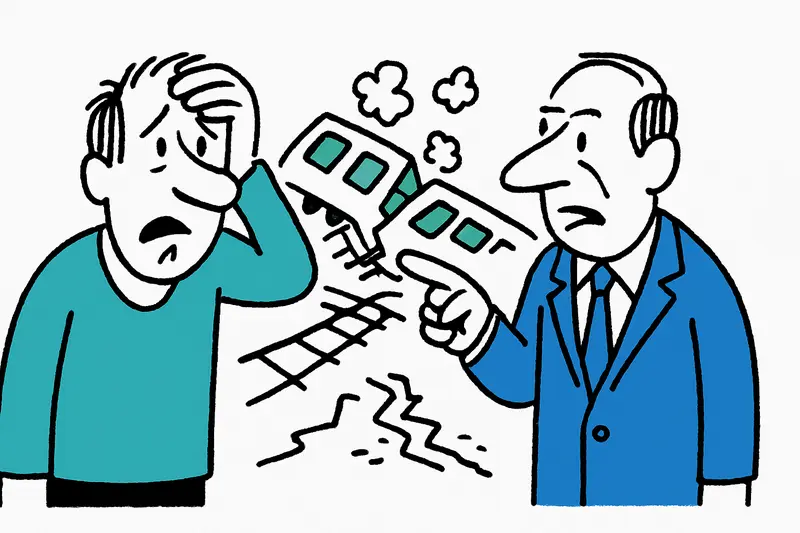
After the train accident near Córdoba: What needs to happen now politically and practically
After the train accident near Córdoba: What needs to happen now politically and practically
At least 41 dead, dozens missing, German nationals may also be affected. A reality check: How could it come to this, what is missing in the discourse — and which steps would really help?
After the train accident near Córdoba: What needs to happen now politically and practically
Guiding question: Has the Spanish rail network cut costs for years to such an extent that people are now dying — and how can one prevent such an accident from recurring?
Brief summary of the situation
In Andalusia, at least 41 people have died in a collision between two high-speed trains, dozens are still missing, and there are indications that German nationals could be affected. Authorities are working on identification and recovery. Initial statements name a possible rail break as the cause; investigations, however, can take days or weeks.
Critical analysis: Where the official narrative reaches its limits
Immediate public outrage is understandable, but outrage must not be the end of the debate. Official statements so far focus on ongoing rescue operations and condolences; concrete answers about long-term responsibility are missing. It remains unclear when and how the last rail inspections took place, what priority maintenance had compared with savings, and in what condition the affected track section was. If politicians now promise quick results, caution is warranted: real clarification requires independent audits, not hasty conclusions.
What has been missing so far in the public discourse
First: the system question. Conversations revolve around the specific cause of the accident — but rarely about framework data such as maintenance cycles, staffing levels among vehicle inspectors, or the workload of private contractors. Second: the perspective of railway employees. Drivers, maintenance staff and on-board personnel are often under pressure; their accounts could offer clues but are rarely systematically recorded or protected. Third: cross-border assistance channels. When relatives abroad are affected, how quickly does consular support act, and how transparent is the identification process? The Foreign Office's mention of possible German victims alone does not answer questions about care and communication with families. Similar concerns arose during coverage of 18 People Missing off Mallorca — A Call to Politics and Society.
Everyday scene from Mallorca
On Passeig Mallorca in Palma, a woman sits with a thermos and listens to the radio static while a delivery van stops in front of the bakery. The owner turns the news radio down; regular customers speak quietly about the train accident, many looking sadly at their phones. These small moments show: even here, on the island, the catastrophe has a direct effect — people suddenly ask whether safe infrastructure is a given or whether someone cut costs under the heading "maintenance." This echoes reactions after the Boat tragedy off Mallorca: Between grief, legal battles and the question of a Plan B.
Concrete, practicable proposals
1) Immediate, transparent inspection: Mandatory publication of the maintenance and inspection records for the affected line within 72 hours for independent experts. This builds trust and speeds up cause clarification. 2) Independent commission of inquiry: A technically staffed body outside the affected railway administration, with reports that contain not only technical jargon but clear recommendations for action. 3) Investment in technology: Expansion of track sensors (e.g., continuous ultrasonic testing, rail-break detectors) and automatic braking or traffic-control systems that can save lives when infrastructure fails. 4) Protection and hearing of employees: Anonymous reporting systems and witness protection for railway staff who point out safety deficiencies. 5) Improve consular processes: Standardized, rapid identification and information procedures for affected foreigners; clear hotlines and on-site interpreters. 6) Psychosocial support: Rapid, long-term care for survivors, relatives and rescue workers — not just for a few days, but for months.
Why this is not just technocratic navel‑gazing
Rail safety affects us all — commuters, tourists, businesses on Mallorca that rely on reliable connections to the mainland. If reliability becomes optional, not only does the risk of accidents increase, but economic predictability suffers as well. Local incidents such as the Shipwreck at Cala Millor: One Dead, Many Questions — How Can We Better Protect People? underline this. The question of responsibility is therefore also a question of everyday routines: who inspects trains and tracks, and who is liable when the system fails?
Lack of a culture of debate
The public debate currently tends toward emotion — images, expressions of mourning, rapid finger-pointing. What is missing is calm, factual engagement: transparent facts, access to inspection reports, and a discussion about priorities in the transport budget. No political force should use this moment as a pretext to stall long-term investments or to instrumentalize investigation results.
Clear conclusion
Tragedies like this force a sober question: do we want safety standards that exist only on paper, or real, verifiable controls? On Mallorca we hear the news from southern Spain and feel the families' pain. But we should also ask: what consequences will we draw — politically and practically? If the answer is only moments of silence, society has failed. If, however, real reforms follow — independent investigations, more technology, better protection for employees and clear procedures for international victim assistance — then at least this disaster could lead to concrete steps to prevent future catastrophes.
Frequently asked questions
How does a major train accident in Spain affect people in Mallorca?
What should authorities do first after a train accident involving many victims?
Why are maintenance records so important after a train crash?
What kind of inquiry is needed after a serious rail accident in Spain?
How can rail accidents be prevented in the future in Mallorca and Spain?
What support should foreign families receive after a rail disaster in Spain?
Why do transport safety failures matter for Mallorca’s economy?
What lessons from a rail disaster should politicians on Mallorca and in Spain take seriously?
Similar News
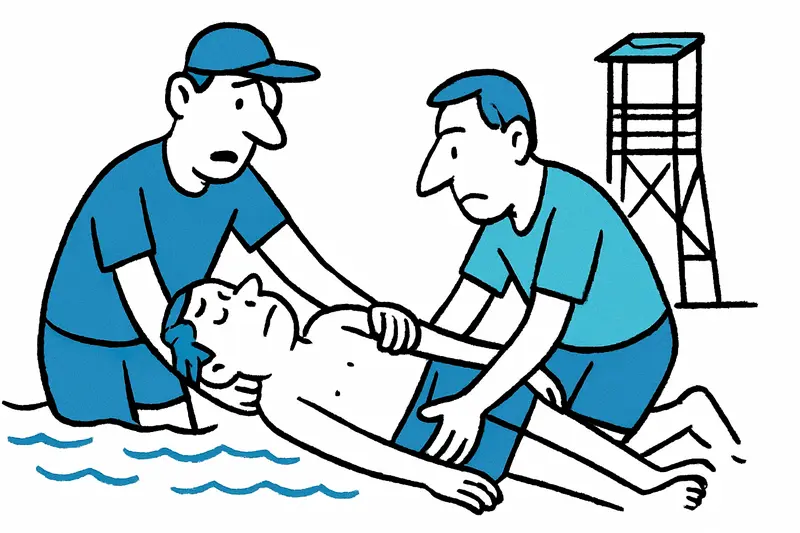
Magaluf: Watchtower Alarm – Lifeguards Pull Unconscious Beachgoer from the Water
After a drama in the late afternoon, two lifeguards at Magaluf beach rescued an unconscious 44-year-old man. He was stab...
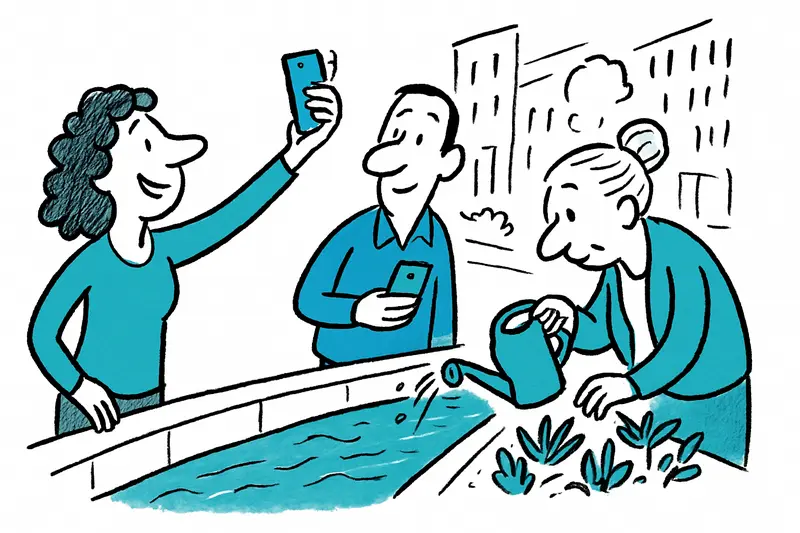
Turquoise in the City: How dangerous is the color play of the Sa Riera?
The Sa Riera in Palma suddenly turned turquoise — a pretty motif, but behind the effect lies a discharge of saline waste...

Jeckliner at Sunnesching: Cologne spirit sets sail from Palma
In September 2027 the Mein Schiff 2 briefly becomes a floating carnival stage: four days with Cologne bands, comedy and ...
Finally Home: Mike and Leyla Heiter Buy Villa with Sea View in Mallorca
The reality TV couple Mike and Leyla Heiter have bought a house in Mallorca with a roof terrace and sea view. An Instagr...
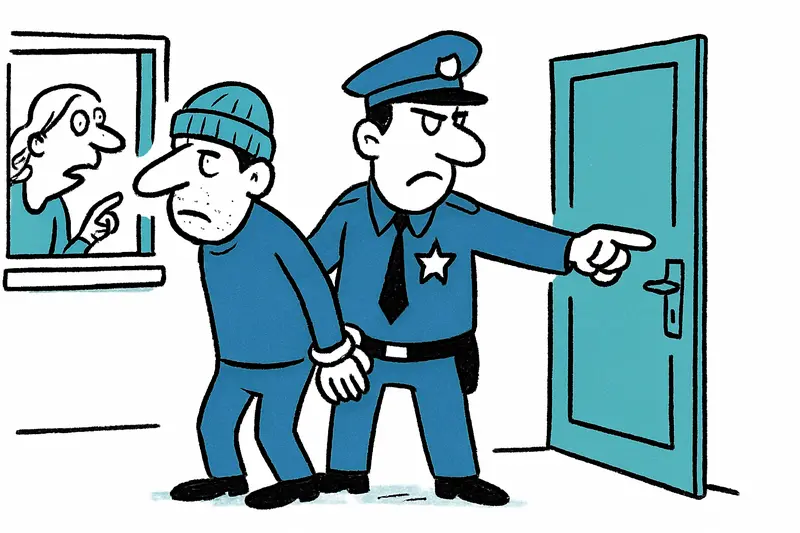
Arrest after series in Palma: Who protects apartments from repeat offenders?
The National Police arrested a man in Palma who investigators say may have broken into several apartments. In one incide...
More to explore
Discover more interesting content

Can Cap de Bou

Townhouse Lleo 72
