

How does a truck end up on the cloister steps? Sóller mishap reveals a systemic gap
How does a truck end up on the cloister steps? Sóller mishap reveals a systemic gap
A delivery van got stuck on the historic steps at the entrance to Sóller. Who is responsible — the driver, the navigation system, or the infrastructure? A reality check with concrete proposals.
How does a truck end up on the cloister steps? Sóller mishap reveals a systemic gap
Guiding question: Why does an everyday approach end in historical damage — and who ultimately pays the price?
On an early December day a delivery van became stuck on the stone steps at the entrance to Sóller. The local police published images on Instagram, a specialist towing service was called in, and officials are now checking whether the vehicle had a valid vehicle inspection (TÜV) and whether the steps were damaged. Those are the facts — and yet an older question sits between the lines: How often does this repeat because systems don't fit?
Briefly about the scene: The tram whistles in the distance, espresso steams in the café on the main street, tourists take pictures — and a diesel rumble lingers in the narrow alleys when large vehicles head for the town center. Sóller is narrow, charming and not built for today's logistics sizes. That a truck gets stuck here is annoying and embarrassing, especially while the Soller bypass has been stalled. That it hit the cloister is more serious: historic steps are not a parking space.
Critical analysis: three levels interact. First: navigation and routine. Modern navigation systems map the shortest route, not necessarily the suitable one. A driver unfamiliar with the area often follows the route stubbornly instead of stopping at traffic lights or signs. Second: infrastructure and signage. In many villages clear barriers or visible signs banning trucks by weight, width or passage are missing. Third: enforcement and prevention. Checking the vehicle inspection now is the right step — but it is reaction, not prevention.
The public debate often lacks the perspective of everyday logistics. People talk about parking bans, holiday apartments and tourism, but rarely about supply chains in historic town centers: how are bakers, tradespeople and delivery services supposed to bring their goods without endangering the town? How many towing operations, how many work hours and how many repair costs accumulate before a permanent solution is in place? Incidents such as a stranded truck on the Ma-20 show how vulnerable road networks can already be to a single breakdown.
From everyday observation: On a Wednesday morning I often watch delivery vans try to squeeze into the Carrer de la plaça during rush hour — drivers carrying boxes, pedestrians walking dogs on leashes. Not every tow-out makes for a spectacular photo, but each one costs: time, nerves, money — and sometimes part of a historic structure.
Concrete proposals that could help immediately: first, targeted barriers at critical access points that open only for residents and small vans with a permit. Second, digital route updates for commercial fleets and large carriers: municipalities should centrally upload their restricted streets as overlays into navigation and logistics platforms. Third, fixed delivery windows at peripheral hubs with short onward distribution by small vans or cargo bikes — this reduces risky entries. Fourth, visible protective walls, marker posts and bollards in front of especially sensitive staircases so a wayward driver cannot reach the historic stonework. Fifth, stricter controls on companies with repeated violations — fines are more effective when they are applied transparently and enforced; local reporting such as Uber drivers sound the alarm in Mallorca highlights oversight challenges that go beyond a single fine.
For the municipality and the heritage authorities this means: don't think only in spatial terms, but steer logistical behavior. A sign alone is not enough when drivers come from abroad following automatic routing. The police will do their work, as will towing services — but prevention lies with the administration, traffic planners and the companies that bring trucks to the island, and even broader projects such as Palma's Intermodal Station escalator replacement remind us that bottlenecks need coordinated planning.
One final point on responsibility: checking the vehicle inspection and possible damage is important, but legally complex. If a vehicle damages historic fabric, it's not just about repair costs but also restoration and documentation. Municipalities need clear reporting and liability procedures here — fast, transparent and public.
Conclusion: The stuck vehicle in Sóller is more than a curious photo story. It is a symptom of planning gaps between historic spaces and modern logistics. If you stand on the Plaça you hear the tram, smell the bakery bread and see the stone steps — and you wonder whether the next time a bollard will be enough or whether a whole concept is needed. For me the answer remains pragmatic: combine measures, don't wait. Prevention costs less than any salvage operation — and preserves the places we love.
Frequently asked questions
Why do delivery vans sometimes get stuck in the centre of Sóller?
Can a truck damage historic stone steps in Mallorca?
What should drivers know before entering Sóller with a large vehicle?
Why is vehicle inspection important for delivery companies in Mallorca?
How can Mallorca towns prevent trucks from entering historic streets?
What makes Sóller difficult for modern logistics?
Who pays if a delivery vehicle damages heritage property in Mallorca?
Is Sóller still accessible for deliveries and residents?
Similar News
Plata stays Plata: Young people take over, Llonguets remain
A small bar on Carrer de l'Argenteria will continue: Tolo Serra hands the place over to young Mallorcans at the end of t...
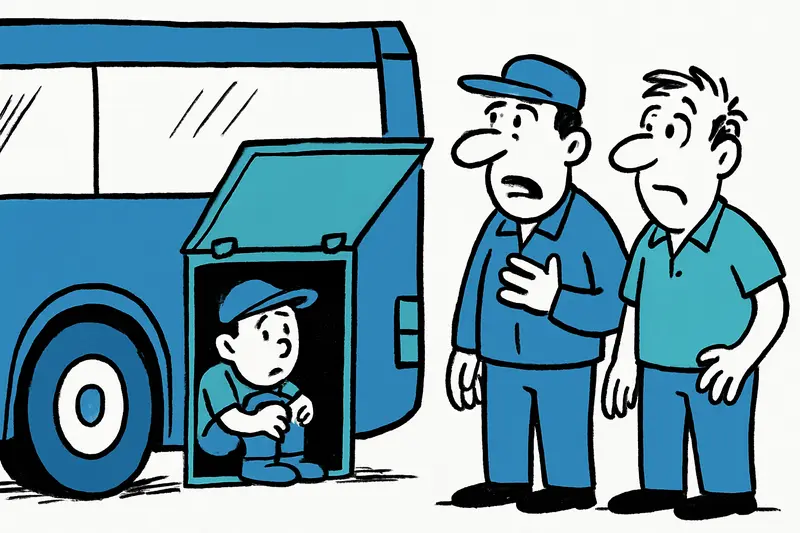
Unnoticed in the Luggage Compartment: How a Boy Traveled More Than 100 Kilometers in a Team Bus
A minor traveled in the undercarriage of a team bus for more than 100 kilometers until his cries for help were heard. A ...

Cap Vermell Grand: Second Michelin Key – a Gift for the East
The Cap Vermell Grand in Capdepera has been awarded its second Michelin key. For the region this elevates the luxury off...
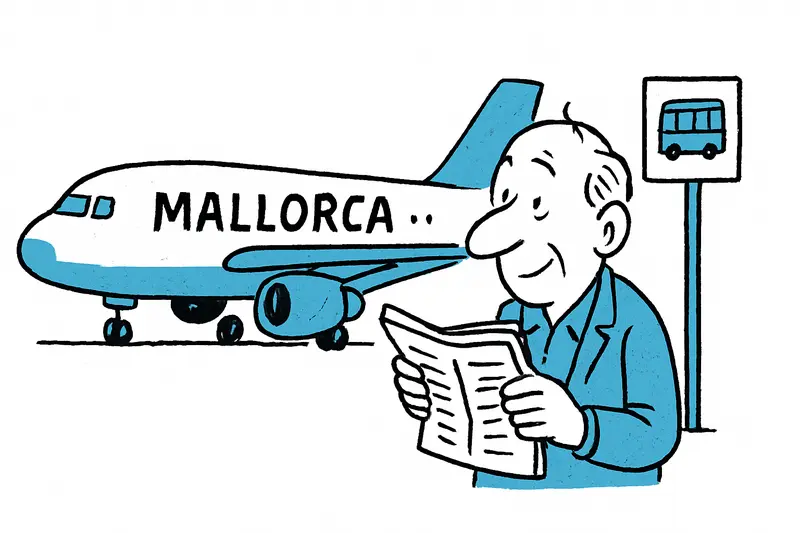
Eurowings lets four aircraft carry names – a friendly idea that also reaches Mallorca
Eurowings is launching a campaign: four Airbus A320s are to carry the first names of people who help others in everyday ...
From the Reality Studio to the Pitch: Aleks Petrovic Makes Mallorca His Base
The former participant in numerous TV shows moves from Dubai to the island and launches a project with FC Germania Mallo...
More to explore
Discover more interesting content

Can Cap de Bou

Townhouse Lleo 72
