
Uninvited Guest in Santanyí: 20-Year-Old Climbs Over Terrace into Stranger's Hotel Room
Uninvited Guest in Santanyí: 20-Year-Old Climbs Over Terrace into Stranger's Hotel Room
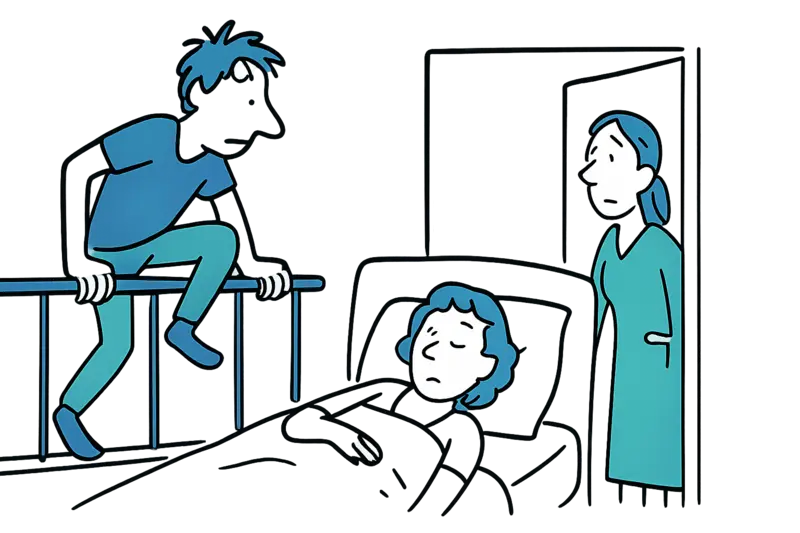
In Santanyí an intoxicated 20-year-old German gained access to an occupied hotel room through the sliding door, jumped onto the bed and attacked a sleeping woman. Why incidents like this should serve as a warning — and what hotels, authorities and apps can do now.
Uninvited Guest in Santanyí: 20-Year-Old Climbs Over Terrace into Stranger's Hotel Room
A night of lost control, an alleged “app challenge” and open questions for hosts and authorities
In the night to October 3, an incident occurred at a hotel in Santanyí that raises several fundamental questions: A 20-year-old German guest apparently entered an already occupied room via the terrace sliding door, jumped onto the bed and physically confronted the woman who was sleeping there. Hotel staff detained the man at reception, and the Guardia Civil took over further investigations on suspicion of trespassing. The accused is said to have been drunk and justified the breach of the premises by referring to a challenge from a mobile app.
Main question: How safe are guests really when private rooms are reachable via simple terrace access and alcohol, technical gimmicks and dares coincide?
The quick search and securing efforts of the hotel staff and the Guardia Civil prevented worse. That is important to say. Still, an uneasy feeling remains: sliding terrace doors with simple locks are common in many holiday accommodations along the southeast coast, as in the Flamenc Street incident, roads and village streets are quiet at night, the sound of the sea calms people — and it is precisely then that some test how far they can go. A man reenacting “an app challenge” meets a couple defending their sleep. No allegations beyond the facts: no theft, but a physical assault.
Critical analysis: three levels stand out. First: alcohol plays a role. Young tourist groups often drink in bars or apartments; alcohol lowers inhibitions and rationality. Second: physical vulnerabilities of accommodations. Sliding doors, poorly secured terraces or easily accessible balconies are invitations — whether accidental or intentional. Third: digital impulses. Apps with viral challenges, as in the Nighttime escalation at Playa de Palma, create social pressure; platforms should examine which content encourages risky behavior.
What is often missing in public debate: reliable figures and concrete prevention. There are many headlines about noise disturbances or alcohol excesses, but hardly any overview of how often guests enter other people's rooms or how often operators must upgrade security. Hotels usually come under pressure only after something worse happens, and incidents like Disguised as a Guest illustrate the variety of risks. Equally lacking is a serious discussion about the responsibility of app operators when their challenges encourage real-world crimes.
An everyday scene in Santanyí helps to put this into context: It is early morning, the plaza is empty, the bakery on Carrer Mayor still smells of freshly baked ensaimada and the clatter of coffee cups. Outside the hotel on the edge of town the receptionist stands, a little pale but determined. Guests whisper excitedly as they describe the minutes before. A neighbour's dog barks, then calm returns. These small, concrete moments show: safety is not an abstract concept, but depends on doors, people and staff who work in shifts.
Concrete solutions that can be tackled immediately: operators should check terrace and balcony doors and, if necessary, retrofit them with burglary-resistant locks or additional bolts; motion detectors at external entrances are not a luxury investment. Hotels need clear procedures for nighttime disturbances — quick intervention by reception, staff trained in de-escalation and defined reporting channels to the police, and training to recognise tactics such as The 'Defective Key' Trick.
At the municipal level, the Guardia Civil could run intensified prevention initiatives in tourist hotspots: information evenings for hosts, short checklists to prevent trespassing, cooperation between police and hotel associations. The justice system should also transparently show the consequences of trespassing and physical assaults; that has a preventive effect.
On the digital level, app platforms are called upon: if challenges can cause harm, they need faster reporting channels and algorithms to filter dangerous content. User education helps: hosts should inform their guests about rules of conduct at check-in — clear, concise and without moralizing.
Conclusion: The incident in Santanyí is not a quaint holiday anecdote, but a wake-up call. Anyone vacationing here must respect the privacy and physical integrity of others. Hotels and authorities must create the framework to make that possible: better locks, staff-related prevention, digital responsibility. In short: guest safety is not accidental — it is created by simple technology, clear procedures and a bit of mutual respect.
Frequently asked questions
How safe are terrace-access hotel rooms in Mallorca?
What steps can Mallorca hotels take to prevent unauthorized entry via terraces at night?
How should travelers protect their privacy in Mallorca hotels?
How do alcohol and late-night behavior impact safety in Mallorca’s tourist areas?
Are there guidelines for guests about conduct at check-in in Mallorca hotels?
How are app-driven challenges linked to safety concerns in Mallorca?
What immediate steps can a Mallorca hotel take to handle disturbances at night?
What practical packing tips help with safety when visiting Mallorca?
Similar News
Port d'Alcúdia: Streets Dug Up, Millions Invested – But What Does It Mean for Local People?
Excavators are back in Port d'Alcúdia: concrete-fibre sewer pipes on the Carretera de Artà are being replaced with PVC, ...

After TV Feature: Why the Unsolved Bierkönig Case in Mallorca Raises Questions Again
The murders of Manfred Meisel, his son Patrick and an employee remain an open case. A nationwide TV program has brought ...

Superyacht "Nord" off Andratx: What does it mean for Mallorca?
The 142-metre superyacht "Nord" recently anchored off Port d'Andratx. Why does a single vessel trigger debates about own...

New Hope in an Old Case: What the Search for Meisel's Murderer Can Achieve Now
Nearly three decades after the murder of Manfred Meisel at a finca near S'Aranjassa, a TV manhunt is once again focusing...

Fake Emails and €320,000: How Trust in the Fruit Trade Was Abused
Three men posed as a Mallorcan fruit supplier and induced a German company to transfer €320,000. A court hearing shows h...
More to explore
Discover more interesting content

Can Cap de Bou

Townhouse Lleo 72
