
Idle capacity in holiday rentals: 38,000 vacant places – opportunity or problem for Mallorca?
Idle capacity in holiday rentals: 38,000 vacant places – opportunity or problem for Mallorca?
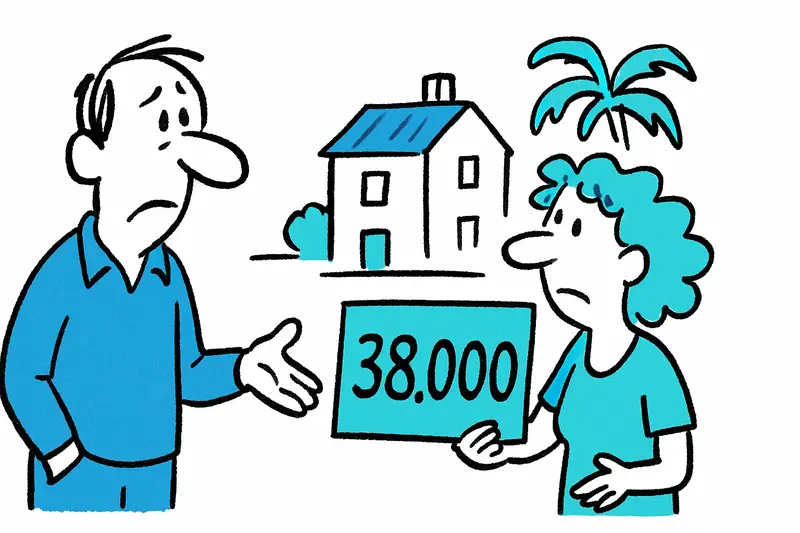
The PSIB study reports around 38,000 registered, currently unused holiday rental places in the Balearics. What does that mean for the island? A reality check from Mallorca.
Idle capacity in holiday rentals: 38,000 vacant places – opportunity or problem for Mallorca?
Key question: Should vacant but registered holiday rentals be reactivated — and at what cost to the island?
On Palma's Paseo Marítimo, when the evening sun lights up the horse sculpture in front of Parc de la Mar, you hear the usual sounds: rolling suitcases, the beep of e-bikes and the distant clatter of dishes from tapas bars. At the same time, according to a recent statement by the PSIB regional group, a stock of about 38,000 registered holiday rental places in the Balearics is formally available but currently unused. The calculation being circulated politically is: if these places were reactivated, up to 1.2 million additional guests per year could come to the islands. For broader context on the growth of these accommodation types see Vacation Rentals on the Rise: How Mallorca Can Balance Daily Life and Guests.
That sounds like additional income for hotels, bars and shuttle companies. For vacationers it means more choice, for some landlords relief. In reality, however, it's not just about empty beds, but about infrastructure, housing and the balance between everyday life and tourism. At the Plaça Major shopkeepers have seen lockers for guests being expanded across the city, while in residential neighborhoods like Son Gotleu garbage trucks make their rounds early in the morning and residents complain about the lack of affordable housing before their first coffee. This everyday tension is left out by the bare number alone.
Critical analysis: The raw numbers say little about why these places stand empty. Reasons can be diverse: legal uncertainties, ongoing court cases, backlog of renovations, administrative hurdles in registration (see 650 new vacation rental license spots on Mallorca: Small number, big questions), rising operating costs or simply changed investment decisions. If political debates only demand activation, it remains unconsidered whether activity would actually take place in an orderly, controlled way or whether it would exacerbate existing problems: traffic load, water consumption, waste generation, pressure on public services and the housing market.
What is often missing in public discourse: a precise local view. Not all 38,000 places are located where the infrastructure can easily cope. Much is concentrated in already overloaded coastal zones and resort towns. A differentiated map is missing that shows where capacities could be expanded in an environmentally compatible way and where additional guests would cause problems. Also missing in the discussion are clear indications of whether the vacant places are short-term holiday apartments, apartment complexes, hotel beds or private units. Without this view the debate remains superficial (see reporting on the registry gap at Huge gap in the registry: Nearly 8,000 unregistered holiday apartments in Mallorca).
Everyday observation: I walked through El Arenal this week. The sand on the beach was tidy, the beach vendors were packing up, and in a narrow side street an old woman was tending her flowers. At the same time, on Calle de les Palmeres several apartments with broken balcony railings stand empty — visibly registered but lifeless. Such scenes show: numbers are abstract; on site it is decided how activation will impact.
Concrete solutions without overburdening the island: First, a transparent inventory at the municipal level. Instead of blanket demands, a digital map is needed that makes the status, location and typology of registered places visible. Second, prioritization: activation only where water, waste and mobility capacities allow it. Third, tax and bureaucratic incentives for owners who permanently return units to the regular housing market or invest in social housing if they do not want tourist use. Fourth, binding minimum standards for renovation, energy efficiency and waste management, linked to shortened approval procedures. Fifth, regular controls: digital reporting systems, on-site inspections by municipalities and sanctions for sham renovations must be part of the toolkit.
A more creative proposal could also be possible: temporarily use vacant, registered holiday places as interim housing for students, seasonal workers or refugee households — under clear legal conditions and with appropriate compensation for owners. This could relieve pressure on the housing market in the short term without destroying the option of later tourist use.
Risks that must not be downplayed: more guests mean more traffic on the MA-19, higher water consumption in warmer months, larger amounts of waste especially in popular coves and potentially higher pressure on prices for rents and staple foods. If activation is rushed and unplanned, an intensification of burdens that locals feel in their everyday lives threatens — from rising additional costs to displacement from neighborhoods.
Conclusion: The figure of 38,000 unused holiday places is a signal, not a simple solution. Those who want to keep Mallorca a living island must look more closely: where can capacity be responsibly activated, where not? Politics, municipalities and businesses need more data, clear rules and pragmatic interim uses. Only in this way will dormant potential not become an additional burden for the island and its residents. The challenge is not to welcome guests, but to do so in a way that Palma, Peguera or Cala Millor remain places where people not only vacation but can live.
Frequently asked questions
When is the best time to visit Mallorca for good weather?
Is Mallorca warm enough to swim in the sea?
What should I pack for a trip to Mallorca?
What is the weather like in Mallorca in spring?
Is Palma de Mallorca good for a weekend trip?
What can you do in Sóller when visiting Mallorca?
Why do people visit Alcúdia in Mallorca?
Is September a good month to go to Mallorca?
Similar News

Magaluf: Watchtower Alarm – Lifeguards Pull Unconscious Beachgoer from the Water
After a drama in the late afternoon, two lifeguards at Magaluf beach rescued an unconscious 44-year-old man. He was stab...

Turquoise in the City: How dangerous is the color play of the Sa Riera?
The Sa Riera in Palma suddenly turned turquoise — a pretty motif, but behind the effect lies a discharge of saline waste...

Jeckliner at Sunnesching: Cologne spirit sets sail from Palma
In September 2027 the Mein Schiff 2 briefly becomes a floating carnival stage: four days with Cologne bands, comedy and ...
Finally Home: Mike and Leyla Heiter Buy Villa with Sea View in Mallorca
The reality TV couple Mike and Leyla Heiter have bought a house in Mallorca with a roof terrace and sea view. An Instagr...

Arrest after series in Palma: Who protects apartments from repeat offenders?
The National Police arrested a man in Palma who investigators say may have broken into several apartments. In one incide...
More to explore
Discover more interesting content

Can Cap de Bou

Townhouse Lleo 72
