
Dead Tourist in Valldemossa: Who Bears Responsibility When Streetlights Become Dangerous?
Dead Tourist in Valldemossa: Who Bears Responsibility When Streetlights Become Dangerous?
On the afternoon of August 17 a tourist in Valldemossa was killed by a falling streetlight after a bus grazed the fixture. A look at gaps in maintenance, bus-stop planning and lines of responsibility.
Dead Tourist in Valldemossa: Who Bears Responsibility When Streetlights Become Dangerous?
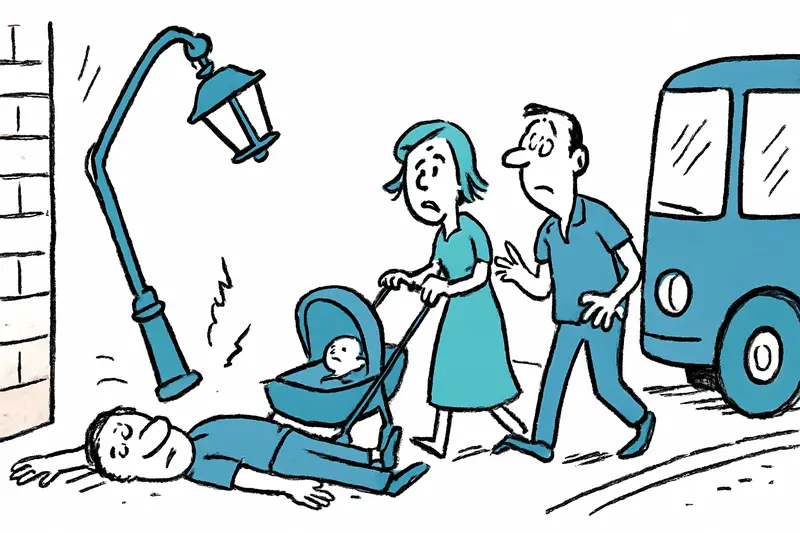
It was a hot August afternoon; the narrow Avinguda Arxiduc Lluís Salvador smelled of coffee and fresh bread, voices chatted, children laughed. Around 3:30 pm the calm was suddenly broken: a bus on line L203 performed a maneuver at the stop, apparently grazed a streetlight, the pole snapped, the lamp fell onto the sidewalk and struck a man in the head. The roughly 35-year-old tourist, identified by authorities as a Syrian national, died at the scene. His companion was injured; a baby in a stroller was unharmed.
Key question: Who bears the risks — the driver, the bus company, the transport system, or the town that is responsible for street furniture and sidewalks?
Briefly explained: What is known so far
Emergency responders from SAMU 061 began resuscitation efforts, but the man did not survive. The Guardia Civil initially responded; later the local police also arrived. Representatives from the Consorci de Transports de Mallorca (CTM) and the responsible transport company appeared at the scene and announced their cooperation with the investigation. The road was partially closed for recovery and forensic work, and the damaged bus remained at the site. Two stops in Valldemossa were temporarily relocated; express service on line L203 was suspended.
Critical analysis: More than a tragic accident
At first glance this sounds like an accident that could happen. But a closer look at the procedures raises questions that are not being asked enough. Lamp posts do not break without cause: metal fatigue, corrosion at the base, poor anchoring or improper installation can all play a role. Equally relevant is why a scheduled bus had to maneuver in a place that apparently offers little room for such movements. Narrow streets, tight stops and the length of modern buses are a dangerous mix.
Responsibilities also appear diffuse: Which authority oversees routine inspections of street lighting and poles? Are there established protocols for bus maneuvers at tight stops? How are minor collisions, which can be harbingers of larger problems, documented and analyzed? That the Guardia Civil arrived before the local police raises questions about deployment planning — not as a matter of blame, but regarding emergency-management procedures in tourist-heavy locations.
What is often missing from public debate
Rapid reporting frequently ends with naming the victims and those involved. Structural questions get lost: Who keeps maintenance logs for streetlights? How old is the infrastructure in town centers like Valldemossa, with their narrow lanes and historic streets? Are stops regularly reviewed for suitability with today’s vehicles? And practically speaking: is there a central, publicly accessible register of inspections for street furniture?
An everyday scene that should serve as a warning
Imagine the avenue: on the left a sandstone wall, on the right a vehicle, pedestrians step aside, a young mother pushes a stroller — the route is a narrow path. We often see scenes like this in the villages of the Tramuntana. A misplaced pole, one unlucky maneuver, and the everyday becomes a catastrophe.
Concrete proposals for solutions
1. Immediate inspection: All lamp posts on tourist-heavy routes and at bus stops should be technically inspected without delay; pay particular attention to junctions and bases for signs of corrosion.
2. Protective barriers: Install temporary bollards or small barriers at narrow stops to protect pedestrians and reduce the impact from vehicles.
3. Stop planning: CTM and municipalities must systematically review stop locations — relocate or permanently widen waiting areas where necessary.
4. Reporting duty: Bus companies should report minor collisions immediately; a central database could detect patterns before something worse happens.
5. Transparent investigation: An independent technical assessment of the pole and the maneuver is needed; results must be made public so lessons can be learned.
6. Training and protocols: Driver training for maneuvering at tight stops and binding operational protocols for maneuvers in town centers.
7. Preventive infrastructure funding: Municipalities need funds to renew aging street furniture — a safety investment, not a mere luxury project.
Conclusion
Behind the headline is a dead person and a family in shock. It is not enough to lament and express condolences. Valldemossa must provide answers: How robust is our infrastructure, how effective are the transport operator’s procedures, and who is responsible when street furniture becomes a lethal danger? If we do not systematically make improvements now, similar scenes may recur. The island has much to lose — human lives and public trust — if this tragedy does not lead to visible change.
Frequently asked questions
What are the main safety concerns around street furniture and buses in Mallorca's tourist towns?
Who is responsible if a streetlight causes injury in Mallorca?
Is there a public record of inspections for street lights and poles in Mallorca towns?
How are bus stops and maneuvers planned in narrow Mallorca towns to improve safety?
What concrete steps can communities take to prevent streetlight-related accidents in Valldemossa?
Are there calls for centralized reporting of minor collisions involving buses in Mallorca?
What kind of funding is needed to renew aging street furniture in Mallorca towns?
What should visitors know when exploring Valldemossa or similar towns in Mallorca?
Similar News
TV tip: Tim Raue discovers Mallorca's cuisine
German top chef Tim Raue is touring Mallorca: in a new episode of his travel series he tries focaccia in Palma's old tow...
Key Ring Instead of Conscience: Maintenance Worker in Manacor Arrested Over Series of Hotel Thefts
A 28-year-old maintenance worker from a hotel in Porto Cristo has been arrested. The suspect is alleged to have repeated...

First Rain Clouds After the Heatwave: A Hopeful Sign for Mallorca
After weeks of continuous sun, Aemet forecasts showers and thunderstorms for Thursday and especially Friday. Rain would ...

Sydney Sweeney and Scooter Braun enjoy quiet days in Mallorca
US actress Sydney Sweeney and music manager Scooter Braun spent several days off Mallorca aboard the megayacht "Rising S...
Employee in Cala Major dies after cardiac arrest: What lessons remain?
A 61-year-old woman collapsed at a fast-food stand in Cala Major. Despite almost hour-long resuscitation attempts by SAM...
More to explore
Discover more interesting content

Boat Tour with BBQ along Es Trenc Beach
Private transfer from Mallorca Airport (PMI) to Pollensa
