
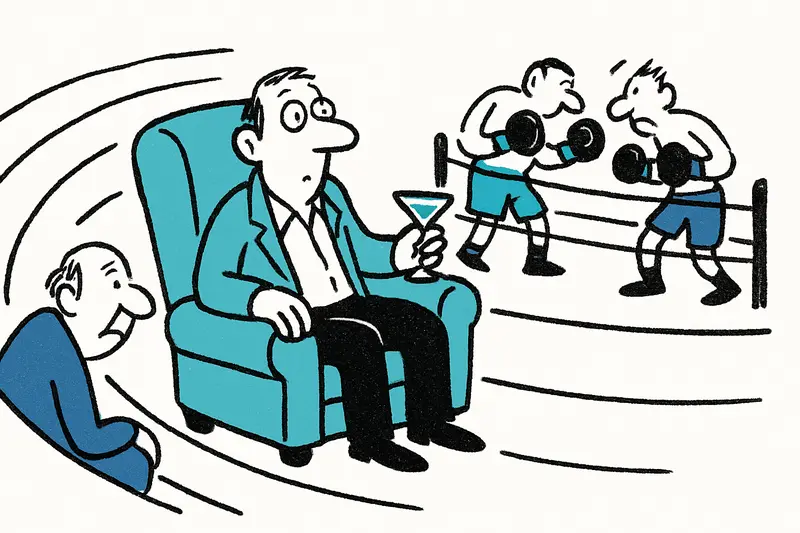
VIP Boxes in Inca: Luxury at the Ring – Who Benefits from the New Seating Comfort?
For the corrida on March 29, VIP boxes are being offered at €1,200 per person. A luxury product in an arena that otherwise provides stone benches. Who really benefits — the visitors, the community, or the organizers?
VIP Boxes in Inca: Luxury at the Ring – Who Benefits from the New Seating Comfort?
The corrida on March 29 brings luxurious seats for the first time to an otherwise modest arena.
On the edge of Inca's market square, where stalls pack up on Thursdays and the church bells still echo in the midday sun, stands the small bullring. It is known as a place with rough, stone seating rows, where older people read the newspaper in the shade and tourists stop briefly to take a photo. Now the same ring is advertising VIP boxes: €1,200 per person for the corrida on March 29 with Paco Ureña, Jiménez Fortes and David Galán. This is not an ordinary change of banners – it is a moment when an old local event is being pushed into the market for premium experiences, as in From Squat Blot to Luxury Address: Who Benefits from the Conversion in Camp d'en Serralta?.
Key question: Who does the upgrading of seats in an arena that previously promised little luxury serve: the residents of Inca, the tradition preservers, the organizers, or solely a paying clientele?
A sober observation: the pricing is part of a broader trend on the island. IKONO Premium Club at Son Moix: Close to the Game, Calm in Everyday Life has long offered boxes and business seats, and even at the major ATP tournament in Santa Ponça the best seats are hardly affordable for occasional visitors. The introduction of VIP offers in a bullring is formally not surprising. Still, it stands in contrast to the structural situation: these tiers were originally hard, plain and open to everyone — a form of communal use, not a luxury product.
Viewed critically, the new practice produces several tensions. First: social accessibility. When a seat costs the equivalent of a small holiday, the audience shifts. Second: authenticity and identity. The arena in Inca is part of the local townscape; its upgrade can easily be perceived as a curtailment of public use. Third: transparency. Public and cultural spaces should disclose how revenues are used. It must be urgently clarified whether additional income flows into the restoration of the arena, into municipal cultural projects, or into pure organizer profits.
What is often missing in the public discourse: the perspective of neighbors and the local club. We hear little about the seventy-year-olds who have sat there for decades, about shopkeepers on the Carrer Major or about the market women whose stalls are close to the arena. Also rarely discussed are short-term interventions to the fabric of the building, safety standards for luxury areas on old walls, and whether temporary boxes may change the townscape.
A small everyday scene: in the morning in front of the arena an elderly man sits on a stone row, nibbles a piece of ensaimada and shakes his head when pupils in trainers run across the steps. During the break before the event a taxi driver stops, smokes, and asks quietly whether local people still buy the tickets. Such brief moments show how intertwined everyday life and event economy are here.
Concrete solutions can be formulated without stifling the debate: 1) A transparency mechanism: clearly designated use of VIP revenues for local projects or maintenance costs. 2) A quota for local citizens: discounted seats or a lottery system for residents of Inca. 3) Construction standards: permit and certify temporary structures so they do not endanger the arena's fabric and meet safety requirements. 4) Public consultation: at least one information and discussion session with neighbors, clubs and traders before each season. 5) Diverse offerings: alongside expensive boxes, also guarantee affordable standing or seating places.
These proposals are not cure-alls, but pragmatic steps to ensure culture does not become a product only for the wealthy. The question remains whether organizers will seek dialogue with the city and the population — or whether the sale of boxes will quietly become the norm. Inca must decide whether its arena is a party for a few or a place that remains open to all.
Conclusion: Luxury seats in a historic arena are not a law of nature. They can bring added value if revenue, safety and social participation are regulated bindingly. Without such rules, the arena risks losing its role as a communal space – and that would be regrettable for a town that keeps its daily life between the market square and the church.
Frequently asked questions
What are the new VIP boxes in Inca’s bullring?
Why are people criticising the VIP boxes at Inca’s bullring?
Is the bullring in Inca still open to local residents?
What happens to the money from VIP seats in Inca?
Are there more luxury seating areas at Mallorca sports venues now?
What should visitors expect from a corrida in Inca?
How does the bullring in Inca fit into everyday town life?
What changes are being suggested for the bullring in Inca?
Similar News
Bomb threat before Jet2 flight in Tenerife: A reality check for security protocols
A passenger reported a bomb in luggage shortly before departure in Tenerife. Evacuation, baggage checks, delays — and ma...
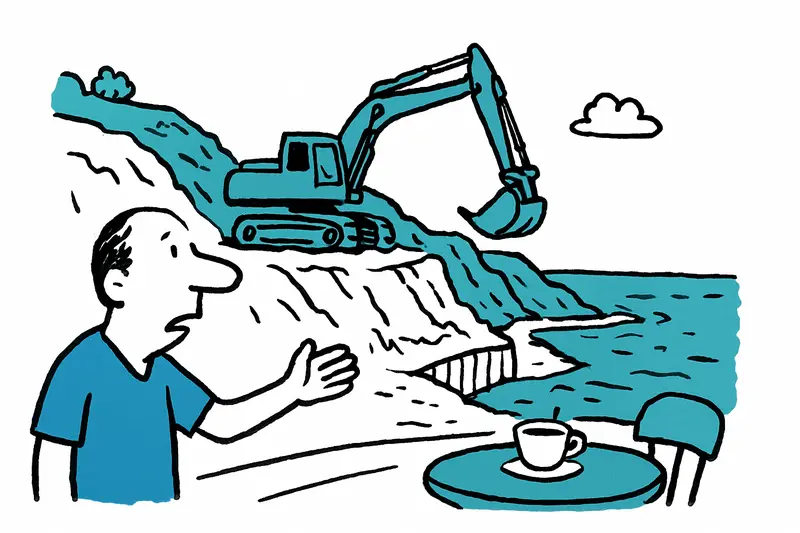
Who is stripping Mallorca's coast bare? Why entire slopes are being removed for villas
On Mallorca steep slopes are again being removed to make way for luxury construction sites. Who bears the responsibility...

Robber Falls While Fleeing in Sant Agustí: Who Takes Responsibility?
During a purse-snatching in Sant Agustí, a non-commissioned officer chased the suspect; the man jumped from a bridge and...

Bomb threat on board? Why the Tenerife incident concerns us in Mallorca
A passenger on a Jet2 flight from Tenerife to London triggered an evacuation and intensive security checks. The result: ...

More Electric Cars in the Balearic Islands: Sales Rise Sharply
Between January and August, 14,185 vehicles without petrol or diesel propulsion were sold — an increase of more than 40 ...
More to explore
Discover more interesting content

Can Cap de Bou

Townhouse Lleo 72
