
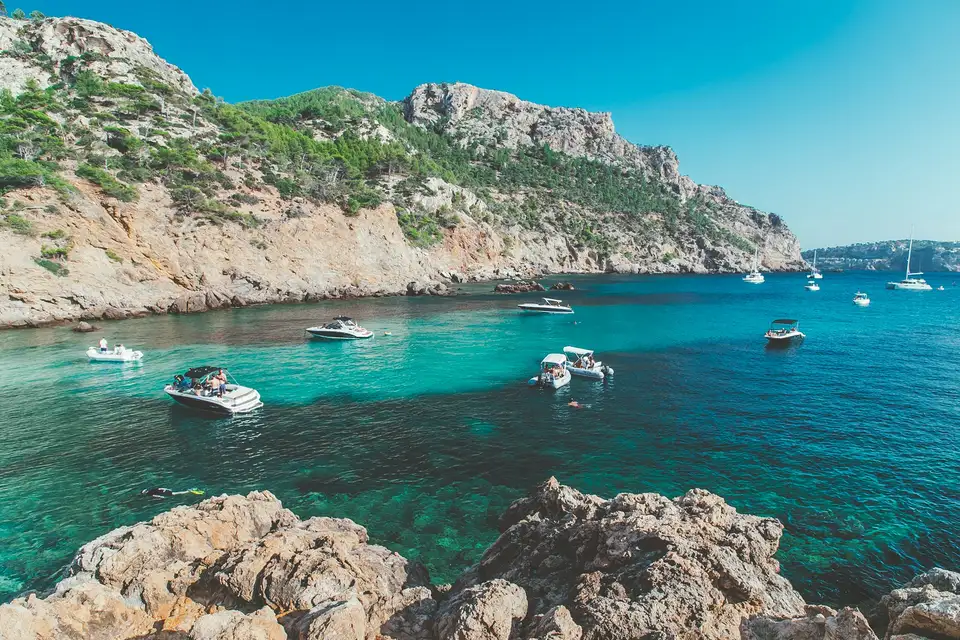
Warning Level Remains: Why Mallorca Needs More Than Sirens
On Sunday the Es-Alert sounded on thousands of phones, Palma closed schools, and a tree fell on Calle Joan Crespí. The weather situation remains serious — an inventory and a reality check.
Warning level remains: Why Mallorca needs more than sirens
Key question
Are sirens, mobile alerts and short-term road closures sufficient to get Mallorca safely through autumn during heavy rain and storm systems like "Adam"?
Critical analysis
On Sunday evening the Es-Alert blared on the phones of thousands of people on the island. Shortly before, a very unusual decision had been made: red for a few hours, then Orange Alert: Torrential Rains — Is Mallorca Prepared? from 6 a.m. on Monday. Schools remained closed, authorities explicitly advised against visiting the coast and urged people to avoid unnecessary travel. Forecasts mentioned daytime highs of around 25 degrees — but temperature is secondary here; what matters are rain and wind, as highlighted in Severe weather alert in Mallorca: Are we prepared for the deluge?. The low-pressure system dubbed "Adam" in advance reports is expected to leave the island only by Tuesday, according to forecasts. Until then, flooding is considered possible.
Consequence: the island is on alert. Nevertheless, events like the tree fall on Calle Joan Crespí between Santa Catalina and Son Espanyolet show that acute dangers do not only arise from weather charts. Residents had reportedly pointed out the poor condition of the tree beforehand. As wind and rain increased, the tree toppled onto two parked cars; no one was injured, but property damage occurred. This is not an isolated case: extreme weather exposes existing weaknesses in infrastructure and prevention — from road drainage to hazardous trees in the city.
What is missing in public discourse
The debate often focuses on the spectacular elements — red warning level, Es-Alert (Orange Alert in Mallorca: Are We Really Prepared?), closed airports on Ibiza and Formentera — and less on everyday vulnerabilities. There is a lack of honest engagement with: 1) prioritisation in urban maintenance (who systematically inspects trees and falling hazards?), 2) the state of the sewage system (does it still work in heavy rain?), and 3) how well people are reached who do not have a smartphone or who don’t understand the warnings. There is also little discussion about how private households and small businesses can prepare — for example with sandbags, backflow preventers or emergency plans (see Storm Alert: Is Mallorca Prepared for the Deluge?).
Everyday scene from Mallorca
On the Paseo Marítimo you hear the rhythmic drumming of rain on metal roofs on such days, while delivery vans slow down and cafés roll in their awnings. In Santa Catalina shop owners cover flower boxes as a precaution and in Portixol an elderly woman checks the gutters in front of her house. Police sirens can be heard between the rain showers, and port workers tighten moorings. These are not dramatic images from a disaster series, but small actions that prevent damage — if they are planned and possible.
Concrete solutions
- Systematic tree inspections: Municipalities must set priorities and establish regular inspection intervals especially on busy streets and in residential areas with old trees. Complaints from residents must be taken seriously and documented.
- Check drainage and sewer network: Forecasts for extreme rainfall should prompt quick checks of manhole covers, inlet grates and pump capacity. Prioritise temporary measures such as mobile pumps and targeted cleaning.
- Multi-layered warning chain: The Es-Alert is useful but not sufficient for everyone. It must be complemented by local loudspeaker announcements in hard-to-reach areas, informational letters to care facilities and clear notices in multiple languages at harbour and beach access points.
- Support private preparedness: Municipalities could provide shopkeepers and residents with practical guides (backflow valves, sandbag distribution points, emergency checklists) and offer small grants for protective measures.
- Improve operational planning: Fire brigade, civil protection and municipal services should have coordinated routes for rapid assistance during major weather events, rather than improvising ad hoc. Existing advice to avoid driving should be implemented consistently.
Conclusion
The warning situation remains serious, even if the feared deluge has not materialised so far. What the recent hours showed is less the power of the storm than the gap between warning systems and concrete preparedness. In Mallorca, preparedness does not only mean sending an alert — it means checking trees, keeping drains clear, distributing information in analogue form and meeting people where they are. Otherwise the next fallen tree or flooded shop will be a preventable story.
Frequently asked questions
Is Mallorca prepared for autumn storms and heavy rain?
What are best practices for improving tree and drainage safety in Mallorca?
How can warnings reach people who don’t use smartphones during extreme weather in Mallorca?
What practical steps can households take to prepare for heavy rain in Mallorca?
What can residents expect from the response agencies during major weather events in Mallorca?
Are there travel disruptions during storms in Mallorca, and how should visitors plan?
What everyday scenes show how Mallorcans handle storms and protect property?
What is the broader takeaway about warning systems and preparedness for Mallorca?
Similar News
Small Places, Big Money: Why Fornalutx Is Leading — and What That Means for Mallorca
New tax data paint an ambivalent picture: a tiny mountain village tops the Balearic income list while other municipaliti...
Toxic rubber surface on playgrounds: Who protects our children in Mallorca?
Parents demand an end to pollutant-containing rubber surfaces. Local groups show cracked flooring — the city announces t...
Nighttime closure in the Sóller Tunnel: Who pays for the long detour?
The Sóller Tunnel, the main access to the Orange Valley, will be closed at night until November 19. Anyone driving betwe...
Season Review Ballermann 2026: Hit Waves, Artist Fees and the Question of Sustainability
'Mon Amour' dominated the Playa; stars like Jason Derulo and Haftbefehl performed, but minimum spend rules and XXL fees ...

Storm 'Adam' hits airports: 64 cancellations and 16 diversions in Mallorca and Ibiza
The storm system Adam noticeably disrupted air traffic in Mallorca and Ibiza: 64 flights were canceled and 16 diverted. ...
More to explore
Discover more interesting content

Can Cap de Bou

Townhouse Lleo 72
