
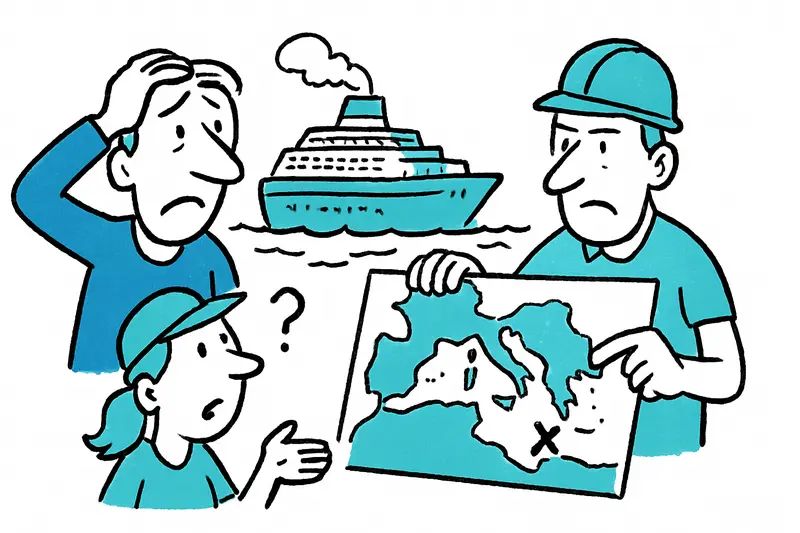
When Routes Suddenly Disappear: Which Cruise Ports in the Mediterranean Are No Longer Visited
Because of armed conflicts, traditional cruise routes have recently been dropped. What does this mean for Palma, dockworkers and local excursion providers — and what solutions exist?
When Routes Suddenly Disappear: Which Cruise Ports in the Mediterranean Are No Longer Visited
Key question: What does the disappearance of traditional cruise routes mean for Mallorca — economically, logistically and in everyday life at the port of Palma?
Early in the morning on Passeig Mallorca: delivery vans maneuver, a street sweeper pushes his broom, and on the quay a coffee vendor listens for the horn of an approaching cruise ship. Such scenes are as familiar on Mallorca as the smell of sea and espresso. But in recent years certain destinations have increasingly been missing from the shipping companies' schedules. Cities that were part of pilgrimage or cultural routes for decades no longer appear on the maps.
A brief reminder for context: Some ports in the eastern Mediterranean and beyond — for example in the area of the Holy Land, the Black Sea, or along the shores of the Red Sea and the Persian Gulf — have become increasingly off-limits for cruises. Shipping companies avoid regions where security cannot be guaranteed or where insurance becomes prohibitively expensive. For Mallorca this means changes in frequency, new itineraries and a shift in demand, as seen in Cruise Boom 2025: Numbers Celebrate, Residents Take Stock.
Critical analysis: The industry does react quickly to immediate dangers, but the adjustments are rarely comprehensive. Companies cancel at-risk ports, extend crossings or plan reroutings via neutral waters. That sounds pragmatic. In practice, however, it leads to higher operating costs, increased fuel consumption and supply bottlenecks for local agencies that organise day trips. Service providers along the harbour promenade on Mallorca feel this: bus companies, private guides, small shops selling handmade souvenirs.
What is often missing in public discourse is the perspective of the quiet winners and losers. There is a lot of talk about the big cruise giants and tourist flows, as reported in Four Cruise Giants, One Old Town: Palma Struggles with the Tourist Flood, but rarely about dockworkers, suppliers or captains who must manage entirely new risks as routes change. Equally rarely discussed are the ecological side effects of longer, diverted sea routes and the greater strain on ships caused by detours. The discussion often remains at the geopolitical level without shedding light on local dislocations, as documented in Between Quays and Bureaucracy: How Mallorca's Ports Are Responding to Landings.
Another blind spot: pilgrimage trips. Religious groups that previously disembarked in Jerusalem or Bethlehem must now accept alternative programmes — with financial losses for communities that relied on those visitors. Historic routes that once brought visitors to cities like Odessa or Yalta effectively no longer exist; with them disappears a web of cultural exchange and economic ties.
Concrete proposals for how Mallorca can respond: First, port authorities and local tourism organisations should set up short-term support programmes for affected businesses — for example microloans or marketing packages to better promote alternative excursions; such measures are urgent given reports like Port of Palma Under Pressure: New Harbor Fees Threaten 500 Jobs and the Harbor's Identity. Second, a stronger diversification of the offer would be wise: instead of relying solely on half- and full-day trips to the surrounding area, providers could develop more themed harbour walks, culinary tours in Palma or boat trips to the Cabrera island group.
Third: greater transparency towards passengers. Shipping companies and travel agencies must communicate clearly which ports are currently not being called and why — this reduces frustration on board and fulfils information obligations. Fourth: authorities could coordinate security and insurance issues so that small providers are not left on their own when routes are changed at short notice. A joint crisis handbook for port cities would be useful.
Everyday measures could also help: port administrations could approve temporary stalls for local providers, organise parking for excursion buses more flexibly and promote night trips to popular photo spots so that fewer day visitors flood the city centre. Such measures may sound unremarkable, but they mitigate the economic shock when familiar destinations drop out.
Finally, a look ahead: the world map of cruising will remain unsettled as long as regional conflicts remain unresolved. That is a reality that does not isolate Palma. Still, the island has tools at hand: existing infrastructure, resourceful providers and a brand that still draws visitors. The challenge is to prevent short-term route changes from becoming a lasting disadvantage. A port that can adapt to change remains vibrant — not only for the large ships, but for the people who depend on them.
Conclusion: Those who only look at the major lines on the schedules overlook the intricate network beneath that suffers when routes disappear. Mallorca must now loudly and concretely represent the interests of those who stand at the quay every day. Otherwise, the coffers of some shipping companies will keep filling while another café on the promenade closes — and that closure will be heard long after the horn has faded.
Frequently asked questions
Why do cruise lines skip some Mediterranean ports now?
How does a change in cruise routes affect Mallorca and the port of Palma?
What happens to cruise passengers when a port is suddenly removed from the itinerary?
Do cruise route changes make cruises more expensive?
What can Mallorca do to support businesses affected by changing cruise routes?
Which kinds of local businesses in Palma depend most on cruise traffic?
Are there alternatives to crowded day trips from Mallorca’s port?
Why is transparency important when cruise routes change in the Mediterranean?
Similar News
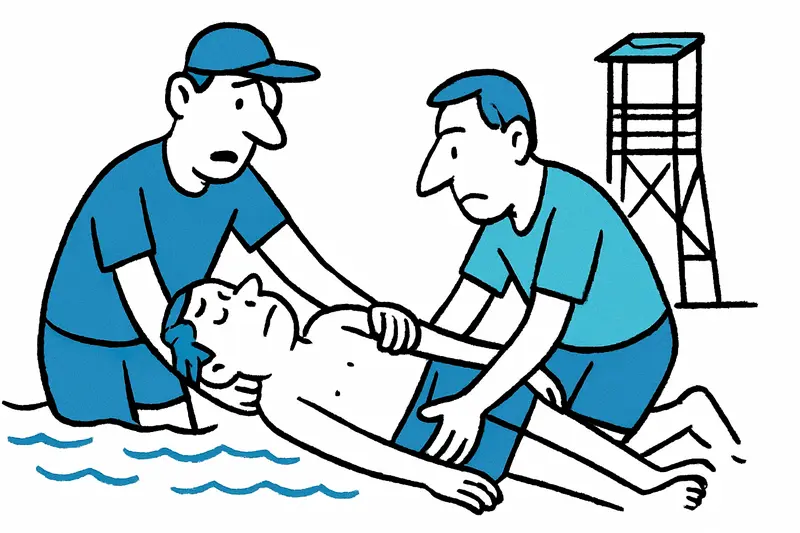
Magaluf: Watchtower Alarm – Lifeguards Pull Unconscious Beachgoer from the Water
After a drama in the late afternoon, two lifeguards at Magaluf beach rescued an unconscious 44-year-old man. He was stab...
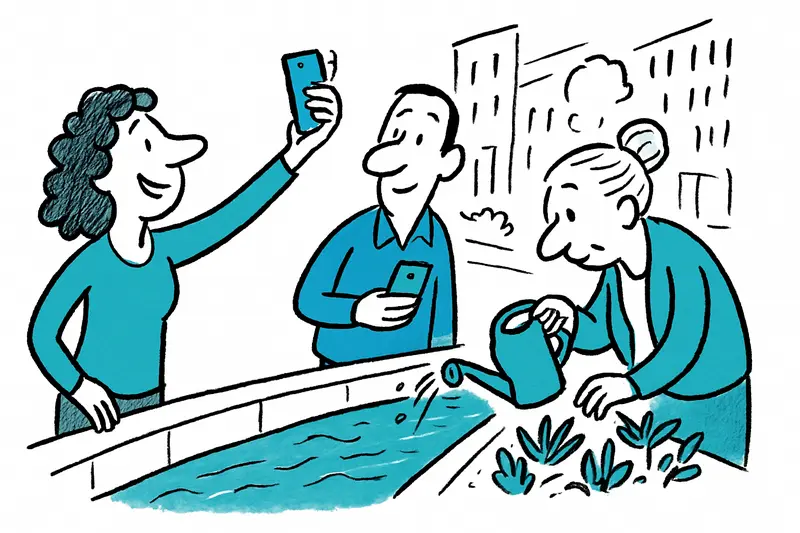
Turquoise in the City: How dangerous is the color play of the Sa Riera?
The Sa Riera in Palma suddenly turned turquoise — a pretty motif, but behind the effect lies a discharge of saline waste...

Jeckliner at Sunnesching: Cologne spirit sets sail from Palma
In September 2027 the Mein Schiff 2 briefly becomes a floating carnival stage: four days with Cologne bands, comedy and ...
Finally Home: Mike and Leyla Heiter Buy Villa with Sea View in Mallorca
The reality TV couple Mike and Leyla Heiter have bought a house in Mallorca with a roof terrace and sea view. An Instagr...

Arrest after series in Palma: Who protects apartments from repeat offenders?
The National Police arrested a man in Palma who investigators say may have broken into several apartments. In one incide...
More to explore
Discover more interesting content

Can Cap de Bou

Townhouse Lleo 72
