
When Work Is No Longer Enough: Couples End Up in Caravans on Mallorca
When Work Is No Longer Enough: Couples End Up in Caravans on Mallorca
A couple with stable employment is currently living in a caravan near Son Espases. Key question: How can an island whose economy depends on tourism at the same time push residents into the risk of homelessness?
When Work Is No Longer Enough: Couples End Up in Caravans on Mallorca
Key question: How can an island model that relies on tourism and hospitality allow people with permanent jobs to be unable to find a secure home?
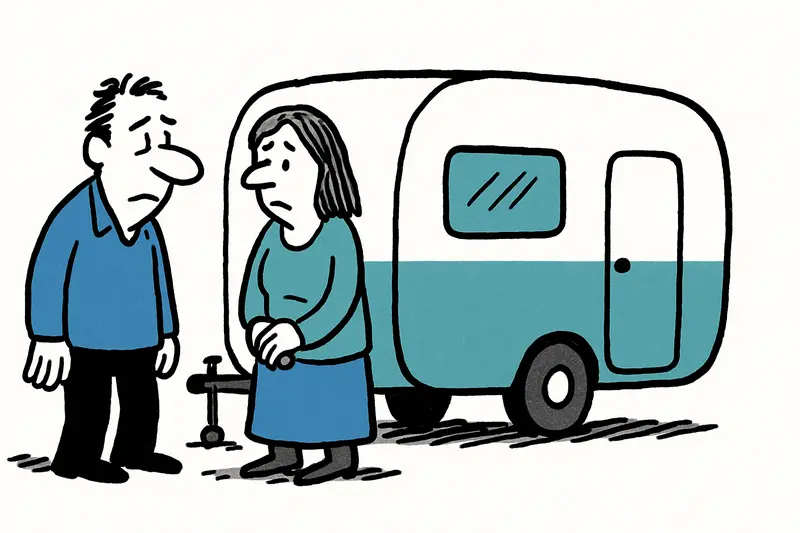
At the exit to the Son Espases university hospital, in a neighborhood shaped during the day by the coming and going of shifts, a reality examined in When One Job Isn't Enough: Why People in Mallorca Often Work Multiple Shifts, there is not a block of flats with empty doors — but a caravan. There a man in his mid-forties and his partner have found a provisional roof over their heads. He has a permanent employment contract in the hospitality sector, she is currently looking for work. Before that they searched for months for an apartment, but the required prices remained out of reach: for a small room in a shared flat they were asked to pay €1,200 rent. The result: the couple have been living for several months in a vehicle that was actually meant only for trips.
This scene is not an isolated case, as shown in When Caravans Become the Last Address: How the Housing Crisis Is Changing Mallorca. Around Palma similar images appear: caravans as permanent accommodation, tents on the roadside of the ring road, people adapting their lives to the timetables of shifts, buses and cheap supermarkets. In the evening, when the city calms down, lights come on in the caravans in Es Secar de Real, somewhere coffee smells from a tavern, a long-distance bus rumbles past — and for some the next day is again a sequence of job searching, saving and hoping for an affordable flat.
In short: work alone no longer protects against homelessness, and recent reporting shows Mallorca's Streets Are Growing Longer: Why More Than 800 People Are Homeless and Nothing Solves It by Itself. That is the core of the problem. On Mallorca several factors come together: high demand for holiday accommodation, conversion of rental apartments into short-term rentals, a limited supply of permanent housing and a local wage structure that no longer keeps pace with rents. Many who work in tourism earn regularly, but not enough for typical monthly rents to be affordable.
What is often missing in public debate is the connection between planning policy and everyday consequences. People talk about vacancies in low season and investors putting money into real estate — but rarely about how many regular dwellings permanently disappear from the rental market due to holiday rentals. Another blind spot: temporary but legal solutions for people who cannot find a roof at short notice, such as regulated pitches with sanitary facilities and hookups, are rarely available. Instead a gray zone emerges: caravans without water or electricity connections, improvised communal kitchens, and residents who have to move from one friend's place to another.
The question of responsibility also disappears in the debate. Cities, the island government and private landlords sometimes shift responsibility onto each other. Employers benefit from the proximity of cheap labor — but few actively participate in a long-term housing policy for their employees. Trade unions and employers' associations could reach binding agreements here: from employer participation in housing, to affordable staff accommodation, to subsidies included in wage structures.
What could help in the short, medium and long term? Concrete approaches can be formulated as follows:
Short-term: municipal emergency programs for people in precarious accommodation, provision of warm showers, laundry and counseling centers; officially and temporarily approved pitches for caravans with minimum standards; mediation offices that bring together employers, NGOs and those affected.
Medium-term: taxation and stricter controls of short-term rentals, coupled with incentives for landlords to return to the long-term rental market; subsidies or low-interest loans for cooperative housing; promotion of conversions of vacant buildings into affordable housing.
Long-term: a coordinated housing policy at island level that provides for social housing projects, sustainable densification and binding quotas for affordable housing in new developments; better wage structures in sectors that serve the island model; and binding agreements between municipalities and tourism actors on land and housing use.
In everyday life small changes could help: employers more involved in housing projects, neighborhood initiatives that report vacant spaces, and mobile counseling centers at hospital locations and industrial areas where affected people often stay overnight. One vivid example: instead of a person improvising on a parking lot near a clinic, there could be an official, dignified pitch — with electricity, water and a social contact point.
What is also missing in many debates is the perspective of those affected over longer periods. How does it affect families when they have to move constantly? What are the psychological consequences of persistent insecurity? These questions must be given more weight instead of only talking about numbers and administrative measures.
Conclusion: The image of a couple living in a caravan despite holding steady jobs is an uncomfortable self-portrait for the island. It says: our labor market works — but the housing supply does not, a situation echoed in When Work Isn't Enough: Palma and the Growing Number of Homeless People. The solution requires more than individual measures: political determination, employer involvement and a bolder use of municipal instruments. If not, more people will fall into the nightly half-shadow of the caravans as normality — and Mallorca will lose an important part of its everyday balance.
Frequently asked questions
Why are some people with steady jobs living in caravans in Mallorca?
How bad is the housing crisis in Mallorca right now?
Can you legally live in a caravan in Mallorca?
What help is available for people in precarious housing in Mallorca?
Why does Mallorca have so many short-term rentals instead of long-term housing?
What could Mallorca do to make housing more affordable for workers?
Why is the housing problem in Palma so visible near Son Espases?
What does the caravan situation tell us about life in Mallorca today?
Similar News
Released with Conditions: The Plus Ultra Suspicion and a Mallorcan Finca as Residence
A Dutch entrepreneur, sought in connection with the Plus Ultra case, was extradited to Spain after his arrest in Germany...

Haute Nuit in Puerto Portals: Fashion, Art and Indulgence by the Water
On October 2 the Lobster Club in Puerto Portals will be transformed into a stage for curated fashion, art and culinary e...
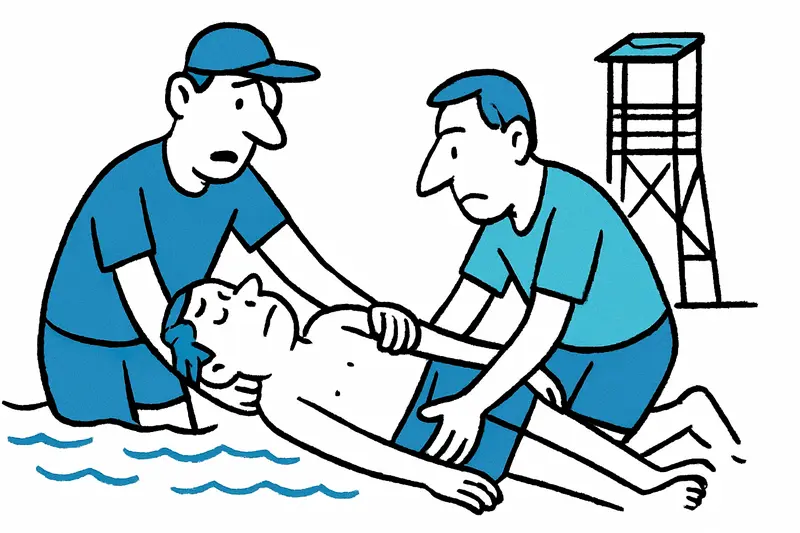
Magaluf: Watchtower Alarm – Lifeguards Pull Unconscious Beachgoer from the Water
After a drama in the late afternoon, two lifeguards at Magaluf beach rescued an unconscious 44-year-old man. He was stab...
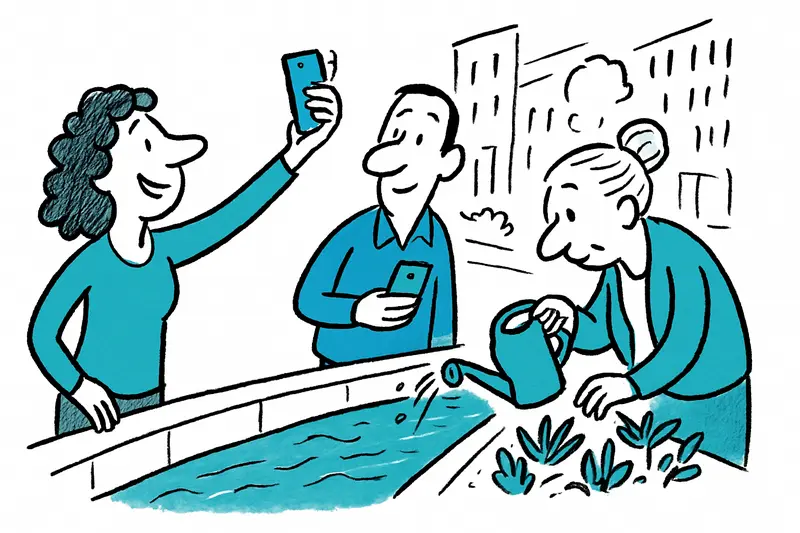
Turquoise in the City: How dangerous is the color play of the Sa Riera?
The Sa Riera in Palma suddenly turned turquoise — a pretty motif, but behind the effect lies a discharge of saline waste...

Jeckliner at Sunnesching: Cologne spirit sets sail from Palma
In September 2027 the Mein Schiff 2 briefly becomes a floating carnival stage: four days with Cologne bands, comedy and ...
More to explore
Discover more interesting content

Can Cap de Bou

Townhouse Lleo 72
