
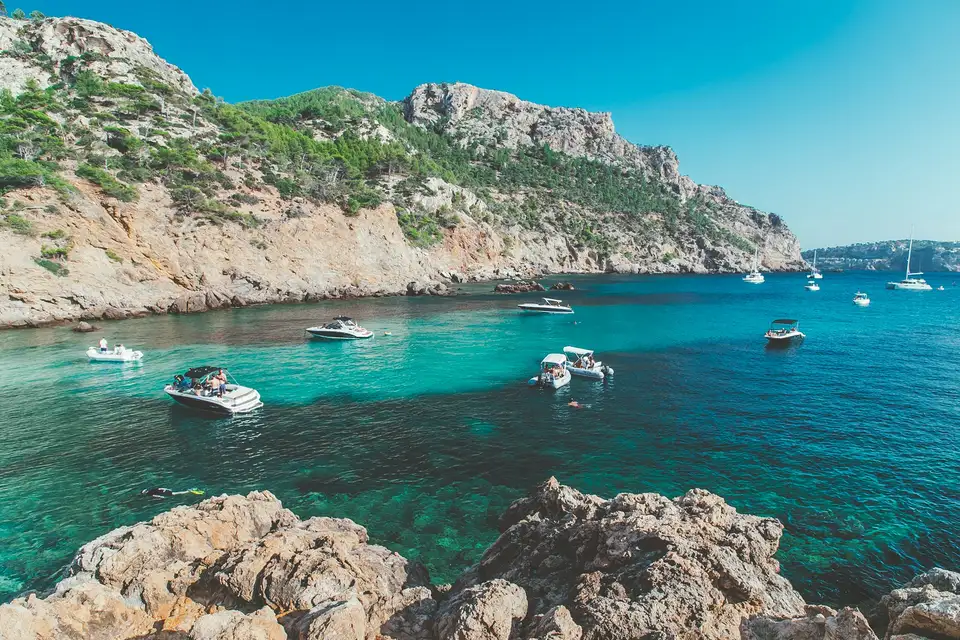
Who pays when boats run aground? The Port de Pollenca case and the public cost trap
A damaged sailboat lay for nine months on the Tamarells beach in the port of Port de Pollenca, until the municipality recovered the hull – cost: €26,000. Why did it take so long and who will bear the bill going forward?
Who pays when boats run aground? The Port de Pollenca case and the public cost trap
Key question: How is it possible that an apparently abandoned sailboat lay for nine months on a popular beach before the municipality spent €26,000 to remove it?
At the end of January – during storm "Harry" – waves and wind drove a monohull onto the fine sand of Tamarells, in the bay of Port de Pollenca. The boat stayed there, and for most walkers it quickly became an unwelcome sight: algae on the hull, torn sails, peeling varnish. Nine months later the municipality began the recovery, as reported in Wrecks in the Bay of Pollenca: Municipality pays – but who bears responsibility?. According to the town hall, the operation cost €26,000; since 2023 five abandoned watercraft have already been removed in Pollença, with total costs of around €70,000. For a wider tally of removal costs across the islands see Who Pays the Beach Bill? 365 Boats, €365,000 and an Unresolved Problem.
The scene at the port was typical of many autumn mornings: gulls crying, fishermen cleaning nets on the quay, tourists photographing the wreck – and the municipal official signing the papers. Such images are not only an aesthetic nuisance, they are expensive and potentially harmful to beach ecosystems, and cleanup efforts elsewhere underline the scale of marine debris (Who cleans up the sea? Almost eight tons of waste off the Balearic Islands — and the uncomfortable answers).
Critical analysis
The facts are simple but uncomfortable. A boat in poor condition apparently lay in the bay even before the storm. Authorities and environmentalists documented the decay. Still, the administrative process took months. Result: the public pays, because legal steps, owner inquiries and budget rules take time. The problem has several levels:
1. Responsibilities are fragmented. Port authority, municipality, coastal protection, Guardia Civil — responsibilities often overlap, and decisions are delayed.
2. Lack of rapid intervention mechanisms. If a boat is classified as a danger, there needs to be a clear, short process that is not suffocated by lengthy deadlines and appeal rights.
3. No cost follow-up. If owners are insolvent, the "polluter-pays" logic does not automatically apply. Municipalities end up with the bill.
What's missing in the public debate
The visible wreck is discussed, but there is little talk about prevention and liability mechanisms: Who regularly inspects berths? Is there a central registry of neglected vessels? How can owners be identified more quickly? And: why is there no fund or mandatory insurance for boats to cover recovery costs?
In addition, the role of illegal anchoring is only marginally discussed. When boats drift unattended in a bay for years, it is not just a regulatory issue but also a risk to seagrass meadows, fish and bathers during storms; similar damage from small rental boats has been documented in Drunk Boats, Battered Bays: When Private Boat Rentals Put Mallorca's Coasts at Risk.
Everyday scene from Port de Pollenca
Late morning on the promenade: an elderly man with a newspaper stops and shakes his head, a child throws a stone toward the hull, a café owner brings empty chairs out to the terrace. Conversation does not revolve around complicated administrative rules but around "when will that thing finally be gone?". That captures what residents feel: technical details are secondary, what remains visible is the disorder – and the reminder that such cases harm local quality of life and the town's image.
Concrete solutions
The good news: measures are practical and often cost-effective.
1. Fast reporting and review procedure: deadlines within which municipalities must decide (e.g. 30 days), otherwise an automatic option to recover at the owner's expense or via a public deposit.
2. Mandatory deposit or insurance for berth contracts: marinas and piers require a guarantee that covers recovery costs if the owner defaults.
3. Central register of neglected boats: a regional port authority could be responsible and report anomalies using drone or satellite surveillance.
4. Administrative simplification: a clear matrix of responsibilities between the municipality, harbour masters and the coast guard, including standardized forms and digital procedures.
5. Preventive inspections and anchoring bans in sensitive zones: regular patrols, fines for repeat offenders, better information for owners.
Pointed conclusion
It is no longer acceptable that residents and beachgoers foot the bill because an owner is bankrupt or authorities delay. Administration resources are limited; therefore we need rules that prevent the public sector from permanently bearing private risks. Port de Pollenca is an example with a clear invoice: €26,000 for a single wreck, €70,000 since 2023. Anyone who wants clean beaches must act now: faster procedures, financial safeguards and better controls. Otherwise we will repeat the same autumn debate every year – and pay again with taxpayers' money.
Frequently asked questions
Who pays to remove abandoned boats on Mallorca beaches?
Why can wreck removals take months in Mallorca?
What practical measures could reduce the cost of wreck removal in Mallorca?
What does polluter pays mean when boat owners are insolvent in Mallorca?
Could a central register of neglected boats help Mallorca's coast?
Why is illegal anchoring a concern for Mallorca's beaches and ecosystems?
What steps is Port de Pollenca taking to prevent future wrecks from becoming public costs?
Do weather and storms affect how wrecks are handled on Mallorca's coast?
Similar News
Nine Months on the Beach: Why Pollenca Ultimately Removed the Stranded Sailboat
A single-masted vessel lay on Tamarells beach since the storm 'Harry' in January. After the owner became insolvent, the ...

Iris Berben live in Mallorca: Award and Talk at the Evolution Film Festival
German actress Iris Berben is coming to the Evolution Mallorca International Film Festival: presentation of the Evolutio...
Serious Accident in Son Ferriol: A Car Falls from the Roundabout — What's Wrong with This Spot?
A 77-year-old driver fell on Saturday morning with his car from the upper part of a roundabout in Son Ferriol down to th...

When a Taxi Fare Dispute Turns Violent: What the Magaluf Case Reveals About Safety and Prevention
In Magaluf a 2023 dispute over a taxi fare escalated: an 18‑year‑old British man is accused of seriously injuring a taxi...

Bloody clash in Canòdrom Park: What is missing in addressing violence on Mallorca's streets?
At midday on October 23, an 18-year-old man was critically injured in Canòdrom Park in Palma. The attack raises question...
More to explore
Discover more interesting content

Can Cap de Bou

Townhouse Lleo 72
