
Why Mallorca Is So Attractive for Swimmers and Ironmen — Tips from a Former Pro
Why Mallorca Is So Attractive for Swimmers and Ironmen — Tips from a Former Pro
Former pro triathlete Johann Ackermann explains what makes Mallorca an ideal training location for open water swimming: coves, pools, wetsuit rules and practical safety tips for beginners and advanced swimmers.
Why Mallorca Is So Attractive for Swimmers and Ironmen — Tips from a Former Pro
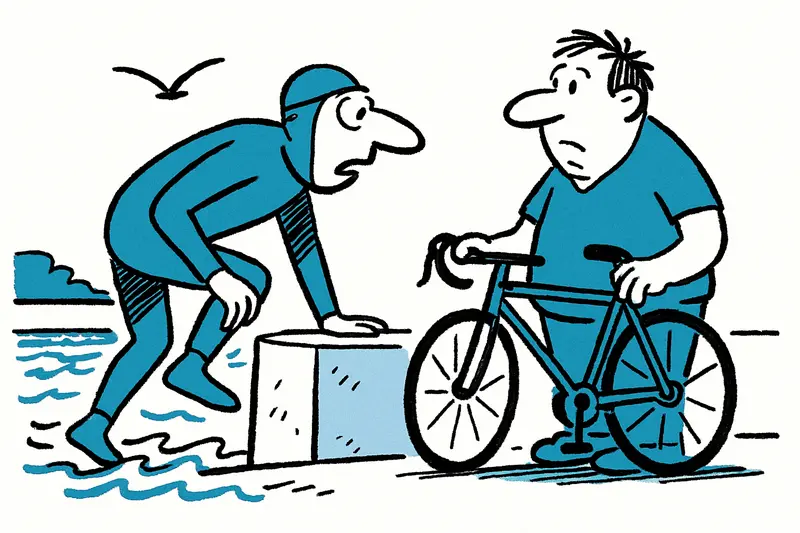
When you walk along Palma's promenade on a cool February morning, you smell the sea, hear seagulls and see the first swimmers in wetsuits climbing over the harbor mole. The thermometer in town reads 17ºC — fresh outside, often colder in the water. It is precisely this mix of off-season atmosphere and year-round training opportunities that makes the island attractive for endurance athletes.
Johann Ackermann, once a pro on the triathlon circuit and now a coach with video analysis, has been using Mallorca for training for many years and runs workshops for beginners as well as international top athletes. His credo is simple: the island offers a range of spots and conditions that allow targeted work — from quiet coves to long lap workouts in well-maintained pools.
Practical: Anyone training in Mallorca will find places well suited to open water swimming. Portals Nous and Bendinat are Ackermann’s personal favorites; Playa de Palma near the aquarium is suitable for structured sessions, and the Bay of Alcúdia is a classic for long training rides. There are also pools like Son Hugo in Palma, the pool in the Bendinat Urban Country Club and the Best Centre in Colònia de Sant Jordi — a facility that already opens its doors in February. Many hotels also offer training pools, often less crowded than German indoor pools.
Good pool practice remains important. Even successful open water swimmers spend most of their training time in the pool to refine technique, breathing and intervals. Mallorca offers enough infrastructure for this and, compared to some cities, more space for intensive lane work. The training culture is also striking: you see performance groups early in the morning, and wearing a swim cap is often mandatory in pools — a small detail that brings order to training.
Ackermann's practical equipment tips are fixed: temperature threshold 20°C. At water temperatures above twenty degrees you usually manage without a wetsuit. If the thermometer drops below that, the coach recommends a wetsuit. This is particularly relevant in Mallorca because sea currents can keep the water temperatures cooler than the air. Good wetsuits that allow triathlon-appropriate freedom of movement start at around 200 to 250 euros; fit is more important than the label. Anyone who swims outside often should also take a swim buoy — a small, inexpensive aid that significantly increases visibility and safety.
When choosing a suit, it's worth considering the purpose: shorties are cut short for warmer days, full triathlon suits have different material thicknesses on the chest and arms, and long versions offer more thermal insulation. Intentional training planning goes hand in hand with the right gear: intervals, brick swims and technique drills can be well combined in Mallorca — morning ocean, afternoon pool, or vice versa, depending on wind and weather.
Events provide additional goals. In May the Best Fest Open Water takes place — a week full of races and an opportunity to test training under race conditions. On May 9 the Ironman 70.3 is also on the calendar, an event that has attracted athletes to the island for years. Those preparing can benefit from the diversity of courses: short, technically demanding sections in coves and longer, steady open-water passages.
Typical everyday scenes in Mallorca: early-rising athletes with wet hair on their way to the café, the clack of plastic paddles in backpacks, fishermen mending nets, and a coach giving corrections in a calm voice. This mix of everyday life and performance is part of what makes the island so special — it brings normality to professional life and turns training camps into a normal part of island life.
For beginners this means: be brave to try, but plan safely. Start in the pool, work on technique, and then move into open water in small steps. For advanced swimmers Mallorca is a place to refine speed, racing and equipment decisions. And for everyone: respect the sea, use appropriate equipment and a swim buoy — simple measures that bring a lot of safety.
The conclusion is positive and practical: Mallorca combines climate, infrastructure and an active community. It's no wonder triathletes and sea lovers regularly come together here — not as an event, but as part of the day. Once you run through the cool air to the water in the morning and then feel the salt on your skin, you'll quickly understand why sport here is so much more than training.
Frequently asked questions
Is Mallorca a good place for open water swimming year-round?
Do you need a wetsuit for swimming in Mallorca?
Where can I train swimming in Mallorca if I want both pool and open water options?
What is the water like for swimming in Mallorca in February?
Is Mallorca suitable for beginner swimmers and triathletes?
Which Mallorca beaches or bays are good for open water training?
What swimming gear should I bring to Mallorca for training?
Are there swimming or triathlon events in Mallorca that athletes train for?
Similar News

Released with Conditions: The Plus Ultra Suspicion and a Mallorcan Finca as Residence
A Dutch entrepreneur, sought in connection with the Plus Ultra case, was extradited to Spain after his arrest in Germany...

Haute Nuit in Puerto Portals: Fashion, Art and Indulgence by the Water
On October 2 the Lobster Club in Puerto Portals will be transformed into a stage for curated fashion, art and culinary e...
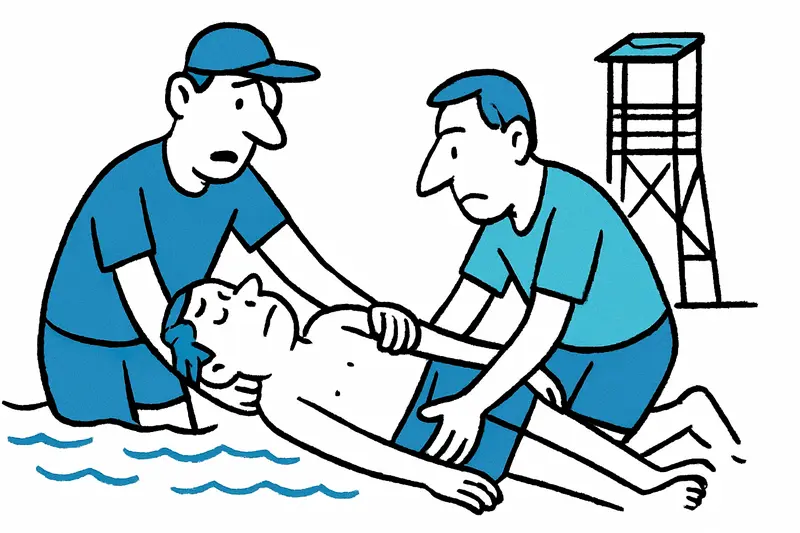
Magaluf: Watchtower Alarm – Lifeguards Pull Unconscious Beachgoer from the Water
After a drama in the late afternoon, two lifeguards at Magaluf beach rescued an unconscious 44-year-old man. He was stab...
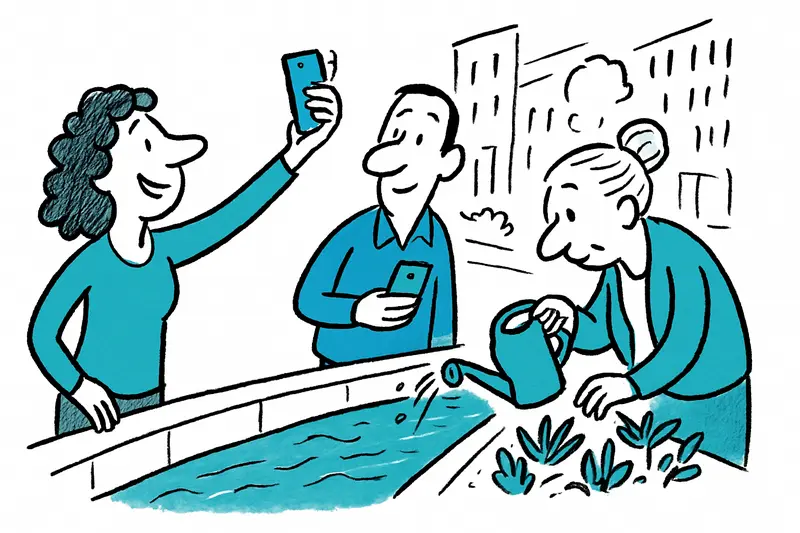
Turquoise in the City: How dangerous is the color play of the Sa Riera?
The Sa Riera in Palma suddenly turned turquoise — a pretty motif, but behind the effect lies a discharge of saline waste...

Jeckliner at Sunnesching: Cologne spirit sets sail from Palma
In September 2027 the Mein Schiff 2 briefly becomes a floating carnival stage: four days with Cologne bands, comedy and ...
More to explore
Discover more interesting content

Can Cap de Bou

Townhouse Lleo 72
