
Wind chaos in the Balearic Islands: 125 incidents — Is our preparedness enough?
Wind chaos in the Balearic Islands: 125 incidents — Is our preparedness enough?
A strong storm lashed Mallorca: gusts up to 157 km/h in the Serra d'Alfàbia, 125 incidents — mostly fallen trees, road closures in the Tramuntana, diversions at the airport. An assessment and a call for more preparedness.
Wind chaos in the Balearic Islands: 125 incidents — Is our preparedness enough?
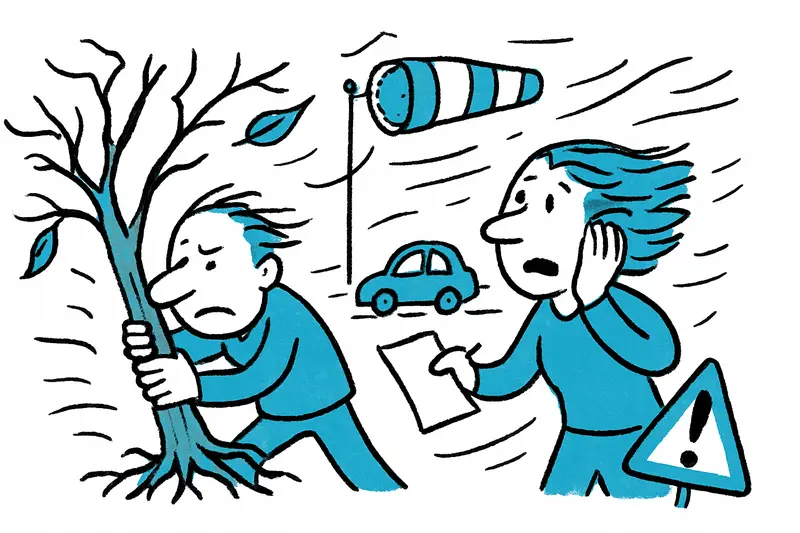
Yesterday the wind blew so violently across the island that the emergency call center 112 recorded 125 incidents by 6 p.m. Most incidents involved fallen trees. On Mallorca several mountain roads in the Tramuntana were closed, in Paguera a tree fell onto a power pole, and at Palma Airport aircraft had to be diverted. In the Serra d'Alfàbia gusts of up to 157 km/h were recorded; previous alerts such as Storm 'Benjamín': Is Mallorca Prepared for the Gusts? highlighted Tramuntana gusts and similar concerns. An orange warning level was in effect for Mallorca, Ibiza and Formentera, as reported in the Storm warning in Mallorca: Is the island prepared for wind and rain?.
Key question
Key question: Have we done enough in Mallorca to reliably protect infrastructure, transport and people during such storms — or do we mostly continue to react afterwards?
Critical analysis
The numbers are short and clear: 125 incidents in half a day show how quickly a strong storm can overload local systems, echoing reports of Over 100 emergency responses after storm in the Balearic Islands – What now matters for Mallorca. Fallen trees are evidently the biggest problem — comparatively "simple" in origin, but with complicated consequences: blocked traffic routes, damaged power lines, endangerment of buildings and pedestrians. That a tree in Paguera fell onto a mast is not just an isolated case; it points to the condition of green spaces and the proximity of old, overhead lines to trees.
Flight diversions indicate that storm gusts affect not only roads and power, but also air traffic; this puts pressure on travelers and airport operations and causes cascade effects for connecting flights and ground logistics.
What is missing in the public discourse
People quickly talk about the number of incidents and weather warnings, but less about structural causes: Who decides which avenues are pruned? How old and break-prone are the lines in rural valleys? Which maps exist that link particularly storm-prone trees and power poles? There is a lack of debate about preventive funding: tree management, line rehabilitation, burying cables at critical points. And the perspective of seasonal workers and tourists is missing — they often do not know where to get reliable information in German, English or Polish; media coverage of warnings such as Yellow Warning: When the west wind sweeps across Mallorca — how prepared is the island? tends to focus on gusts and waves rather than long-term prevention.
An everyday scene from Mallorca
The morning after: In the Plaça Major a café owner sweeps wet pine needles off the pavement while an older woman clutches her shopping bag. Further out, on the Ma-10 towards Sóller, a farmer stands on the slope examining giant fallen trees; at the port of Port de Sóller white waves pound the breakwater, a fisherman pulls the wet from his nets and says dryly: "We've had this before, but not so many incidents." These small observations show how much the weather shakes up daily life.
Concrete solutions
- Systematic tree registry: Prioritize pruning and felling according to risk, not just aesthetics. Roadsides and areas near power lines should come first.
- De-clutter power lines: In particularly storm-prone valleys and along tourist corridors, selectively install underground cables — expensive, but effective against widespread power outages.
- Active route control in the mountains: Automatic closure signs and SMS warnings for the Ma-10, Ma-11 and side roads, linked to wind monitoring stations.
- Airport and airline coordination: Early warning protocols, additional handling capacity for diverted aircraft and clear information chains for stranded passengers.
- Strengthen local crisis teams: Volunteers, forestry and electrician teams with prioritized equipment and clear deployment plans; regular exercise scenarios in communities like Paguera, Sóller or Deià.
- Tourist communication: Post weather notices, evacuation and behavioral guidance in multiple languages at ports, beaches and in popular holiday rentals.
What to do immediately
In the short term, municipal administrations can activate emergency felling plans, have accident sites cleared as a priority and provide generators at critical points such as health centers and pump stations. Simply clearing street drains also usually prevents follow-up damage from standing water.
Conclusion
125 incidents are more than a statistic; they are a warning sign. The storm showed which nodes are vulnerable: trees by the roads, overhead lines, bottlenecks in the mountains and information gaps for residents and visitors. Mallorca has the means to improve many things — now it needs planning, funding and the courage to carry out uncomfortable interventions: trimming roadsides, burying lines, modernizing drainage. Those who only report on incidents and not on prevention will keep serving us the same surprise when the wind picks up.
No island is immune to extreme weather — but an island can better protect itself. That is the challenge for the island government, the municipalities and for all of us on the plazas and in the mountain villages.
Frequently asked questions
What happens in Mallorca during strong wind warnings?
Is it safe to drive in the Tramuntana during storms?
Why do trees cause so many problems in Mallorca storms?
Can storms at Palma Airport cause flight diversions?
How strong can wind gusts get in Mallorca?
What should tourists in Mallorca do when a wind warning is issued?
Why are Paguera and other coastal areas affected by storm damage?
What long-term storm protections does Mallorca need?
Similar News
When the Wallet Becomes a Danger: Attack in Peguera and Lessons for Mallorca
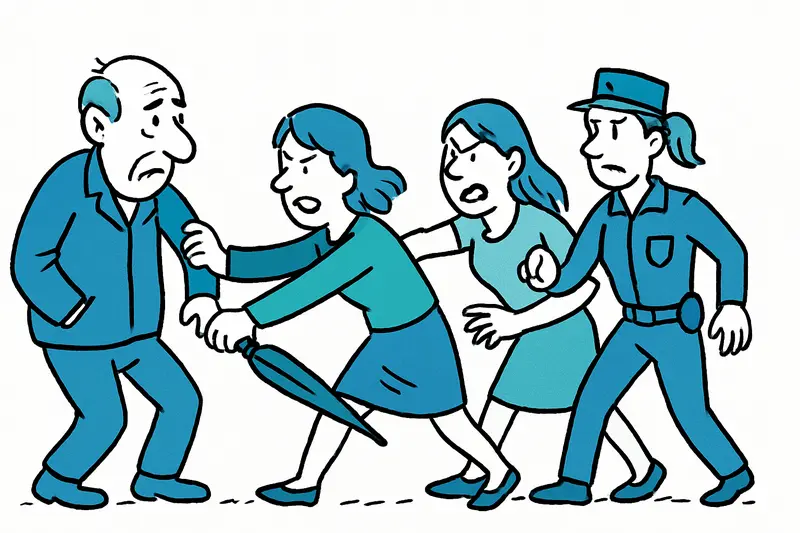
In Peguera, two women are said to have stolen the wallet from a 75-year-old German couple. When the victim intervened, t...
Plata stays Plata: Young people take over, Llonguets remain
A small bar on Carrer de l'Argenteria will continue: Tolo Serra hands the place over to young Mallorcans at the end of t...
Unnoticed in the Luggage Compartment: How a Boy Traveled More Than 100 Kilometers in a Team Bus
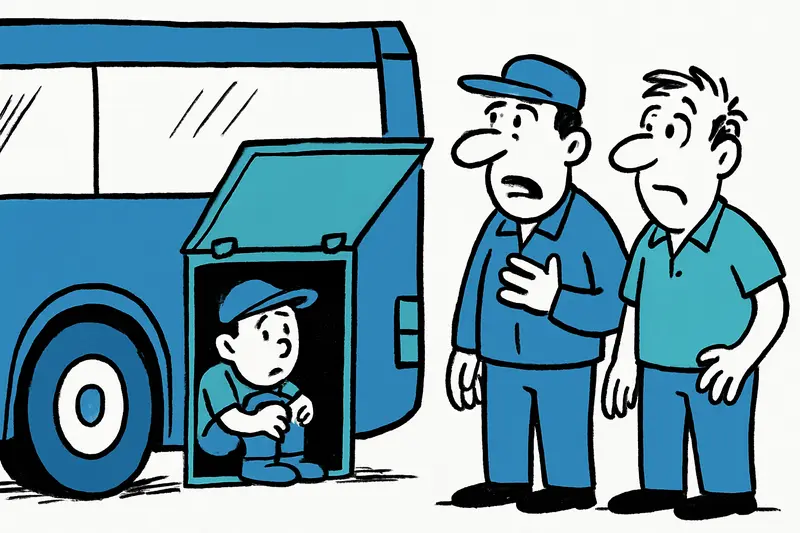
A minor traveled in the undercarriage of a team bus for more than 100 kilometers until his cries for help were heard. A ...

Cap Vermell Grand: Second Michelin Key – a Gift for the East
The Cap Vermell Grand in Capdepera has been awarded its second Michelin key. For the region this elevates the luxury off...
Eurowings lets four aircraft carry names – a friendly idea that also reaches Mallorca
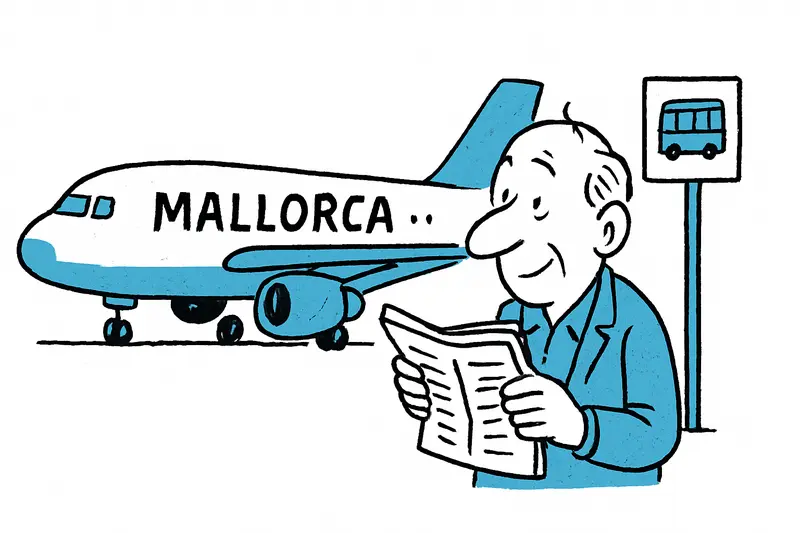
Eurowings is launching a campaign: four Airbus A320s are to carry the first names of people who help others in everyday ...
More to explore
Discover more interesting content

Can Cap de Bou

Townhouse Lleo 72
