
Back to the Shelter: Yango and the Systemic Gap
Back to the Shelter: Yango and the Systemic Gap
Eleven-year-old Yango was returned after two years. A look behind the shelter walls shows why older dogs are particularly at risk — and what Mallorca lacks so they don’t have to spend their final years behind bars.
Back to the Shelter: Yango and the Systemic Gap
An old dog, a renewed problem — and the question of who bears responsibility
Guiding question: Why does an eleven-year-old dog like Yango, who already spent a year in Son Reus and afterward had a home, end up in the shelter again — and what needs to change in Mallorca so this does not become the norm?
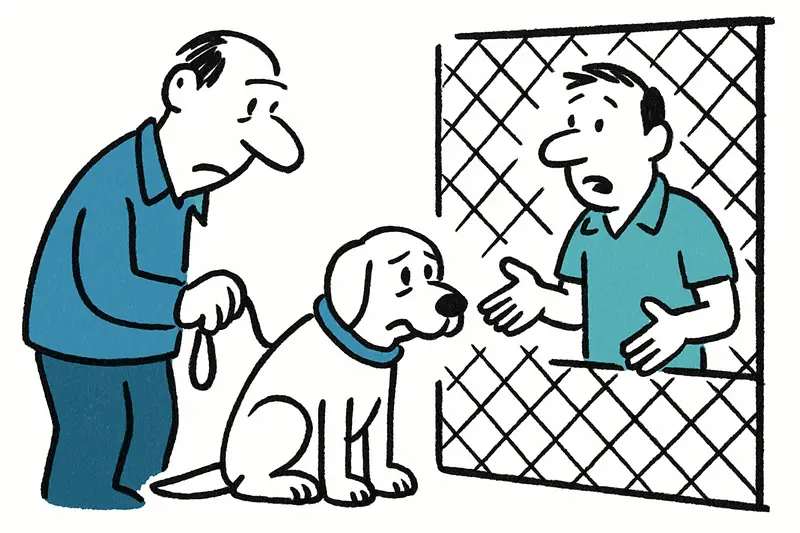
Yango is not an anonymous stray. He is well cared for, according to volunteers physically fine, approachable and still playful. Two years ago a family adopted him from the Centro de Protección Animal (CEPAD); on April 1 he was returned. This cycle of intake, hope and return happens here more often than one might think — and it affects older animals in particular.
Critical analysis
A look at the procedures reveals several weak points. Adoption counseling often seems to remain a formality: anyone choosing an older dog with a history needs clear information about behavior, health risks and everyday life with a senior dog. Mallorca does have dedicated charities and shelters like Son Reus and organizations such as SOS Animal in Calvià that care for dogs like Yango, but underfunded facilities and time-limited aftercare mean that returns become the only option when adopters' lives get complicated.
Another issue is expectations: people often look for an uncomplicated companion and want affection without much work. A dog with food anxieties or age-related ailments does not fit that image. The lack of financial incentives to take in older animals and limited education about behavioral measures worsen the problem.
What is missing from the public debate
The discussion usually revolves around the shortcomings of large stations or sensational cases such as Another major operation in Son Banya: demolition alone solves nothing — hardly anyone talks about how a structured aftercare network would help. There are missing concrete figures on returns, no clear processes for “second-chance” adoptions and a lack of programs that make senior dogs attractive: discounted veterinary packages, tax incentives for foster homes, or public placement campaigns specifically for older animals.
Everyday scene from Mallorca
Imagine a morning in Son Reus: the air smells of damp earth and orange blossom, in the distance you hear the hum of the Vía Cintura and the clatter of a bike bell from Palma — a city described in When Work Isn't Enough: Palma and the Growing Number of Homeless People. Volunteers walk Yango along a dusty path, he sniffs, wags hesitantly and then seeks shade beneath an old pine. For him it's a small outing; for the carers it's a constant balancing act between care and the hope that someone will say: “I'll take him — forever.”
Concrete solutions
1. Mandatory adoption consultations: Before placing older dogs, there should be compulsory counseling sessions that clarify everyday suitability and align expectations. 2. Aftercare and trial period with home visits: A binding trial period with short home visits by volunteers or professionals can significantly reduce returns. 3. Support programs for senior dogs: Subsidies for veterinary costs, free initial check-ups or discounts on food can lower the barrier to taking in an older dog. 4. Public relations with concrete profiles: Instead of general appeals, detailed profiles with clear notes on behavior and care help — people seek authenticity. 5. Network of foster homes: An organized network of private foster homes that can step in short- and medium-term prevents animals from being returned to the shelter without alternatives. 6. Training for placement staff: Simple courses on behavioral problems, sleep needs and feeding strategies make placements more realistic.
Concise conclusion
Yango is not an isolated case, he is a symptom. In Mallorca, heart and practice too often meet: people want to help, organizations are committed — but the system between hope and everyday life is full of holes. Those who want to secure a dignified old age for senior dogs must treat returns to the shelter as a systemic failure, not fate. A combination of counseling, aftercare, financial relief and visible public outreach would reduce the number of returns. Until then, every additional day for Yango is a wait for one last reliable family — and we should not accept that as normal.
Frequently asked questions
Why are older dogs in Mallorca often returned to the shelter?
What should I know before adopting a senior dog in Mallorca?
How can shelters in Mallorca reduce dog returns after adoption?
Are there shelters in Mallorca that care for older dogs?
What makes senior dogs harder to rehome in Mallorca?
Does Mallorca offer support for people adopting an older dog?
What kind of aftercare helps prevent dog returns in Mallorca?
How can people in Mallorca help senior dogs without adopting?
Similar News
Three-ton llaut salvaged in Puerto Portals – volunteers clear microplastics from the harbor
During the weekend operation in Puerto Portals, divers pulled an approximately three-ton llaut from the harbor. Associat...
Naked Pillar in Bunyola: Why a Climbing Prank Is More Than an Accident
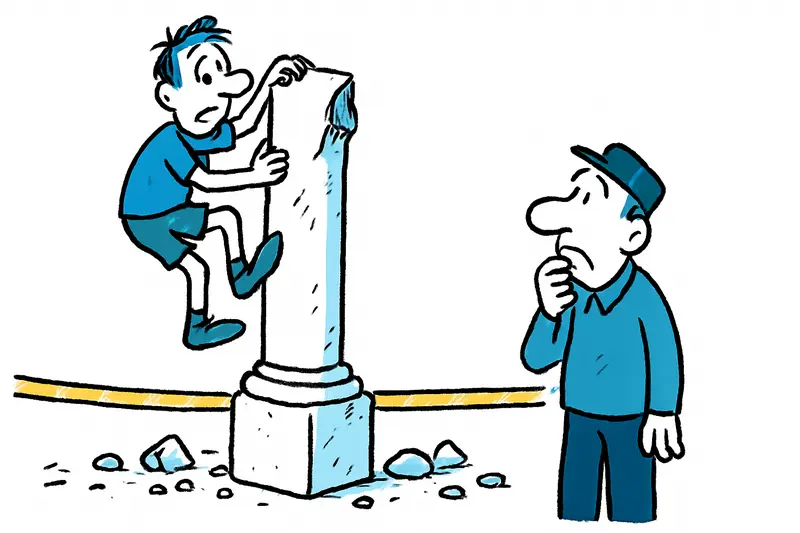
During the Sant‑Mateu verbena a 20‑year‑old fell at a protected wayside cross in Bunyola and pulled the stone cross off ...

Towel on It, Chair Gone? How Hotels Can Regulate Reservations of Sun Loungers
After a deadly dispute in Greece, the question has resurfaced in Mallorca: Are hotels allowed to ban or sanction the pra...

Illetas: Police Officer and Two Lifeguards Rescue Two Female Tourists from the Sea
Late on Friday afternoon emergency responders entered the water off the coast of Illetas: a local police officer and two...
Inca: Severely injured female dog found in garbage bags in a container – who has seen anything?
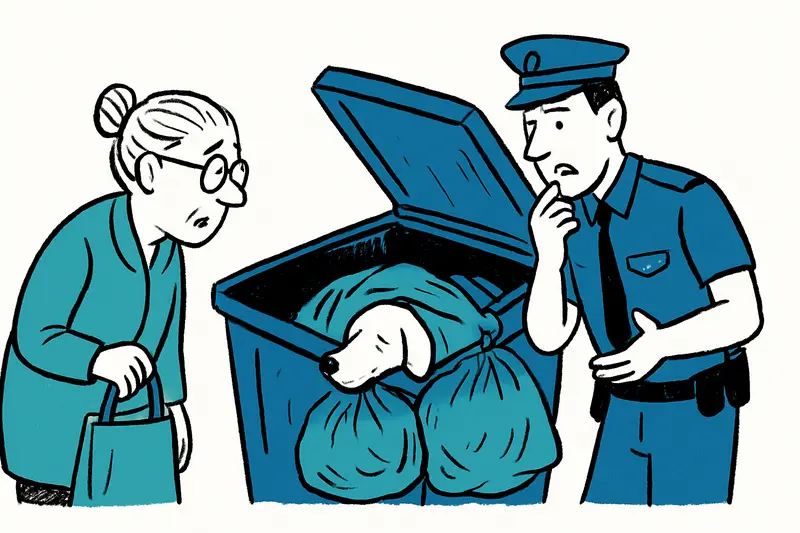
In Inca, a severely injured female dog was discovered wrapped in two garbage bags inside a container on Avenida Rei Jaum...
More to explore
Discover more interesting content

Can Cap de Bou

Townhouse Lleo 72
