
Yellow Alert: How Ready Is Mallorca for the Next Storm?
Yellow Alert: How Ready Is Mallorca for the Next Storm?
A new low-pressure system brings wind, rain and a lowered snow line. Time for a reality check: Where are the island's vulnerabilities — and what concrete steps can municipalities and residents take now?
Yellow Alert: How Ready Is Mallorca for the Next Storm?
A reality check with a clear question, a everyday scene and concrete steps
Key question: How well is Mallorca actually prepared when rain, strong winds and high seas roll in again?
On Saturday a new low-pressure system will push clouds over the island, the wind will pick up and waves will lash the coasts again. The official warning particularly affects the south, east and southeast of the island and the adjacent sea, according to an AEMET orange alert for Mallorca; the snow line will drop to around 900 metres, and maximum temperatures will locally fall to about 14 degrees.
It sounds like a normal winter storm, but recent images of flooded streets, washed-away shorelines and damaged beach facilities are still fresh in people's minds, as documented in our report on heavy rain and flooding. The problem is less a single weather event and more the frequency: gusts and rain are coming at short intervals. It will remain windy into next week, and from Tuesday longer-lasting precipitation is expected again, similar to forecasts for an Atlantic low bringing wind, showers and snow.
Critical analysis: There are three problem areas we must look at soberly. First: coastal protection and promenades. Undermined promenades and damaged beach walls show that some sections have hardly any reserve left. Second: inland drainage. Many streets in town centres—think of narrow lanes in Santanyí or lower-lying parts of Campos—are vulnerable because channels and gutters have not been consistently cleared. Third: communication and local response plans. Warning levels alone are not enough; residents and seasonal workers need concrete instructions in several languages and clear rules of conduct, a point raised in coverage of how prepared the island and its people are.
What is often missing in public debate: the responsibility of small municipalities and private landowners. It is not only the task of the regional capital; smaller ajuntaments often have less staff and smaller reserves. Many discussions also lack flexible plans for temporary evacuations of event venues, campsites and marinas.
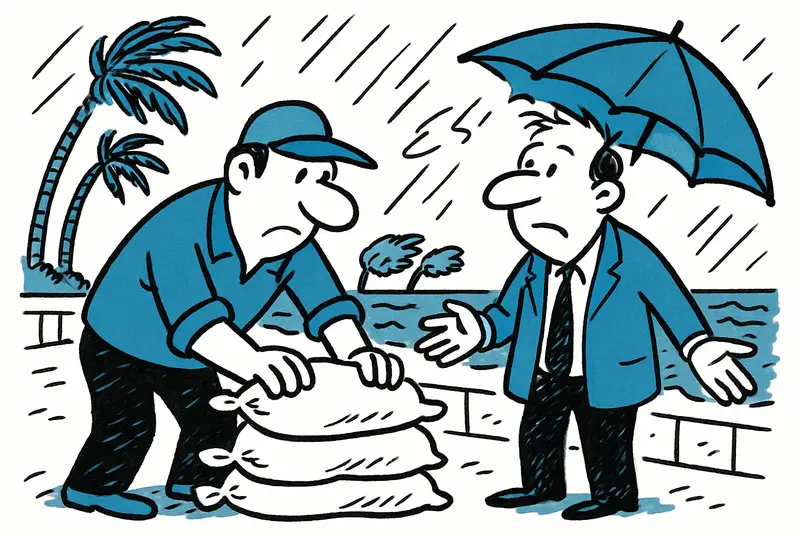
A scene from everyday life: early in the morning on the Passeig Marítim, the wind runs through the palms, a fisherman in Portitxol tightens his nets, dogs strain on their leashes. A snack-bar owner in Santa Catalina quickly wipes the outdoor chairs dry and pulls them into storage. Such small, repeated actions reduce later damage — and show how much local resilience already exists.
Concrete measures that can have quick effect now:
1) Preventive cleaning: Public authorities should, at short notice, check and clear gullies, roadside ditches and streams. Local construction companies can take on tasks in cooperation with ajuntaments.
2) Prioritised stabilisation of coastal paths: Temporary sandbags at particularly threatened shoreline sections, mobile barriers in front of promenades and inspections of harbour facilities to limit maritime damage.
3) Multilingual alert chains: SMS alerts, loudspeaker announcements in tourist centres and information sheets in hotels in English and German in addition to Spanish and Catalan.
4) Mobilisation of volunteer helpers: Neighbourhood networks, volunteer firefighters and port watch could be trained for first measures—such as cordoning off streets or securing boats.
5) Securing critical infrastructure: Hospitals, waterworks and sewage plants should perform emergency power checks so that failures do not trigger a domino effect.
6) Transparent priority lists: Small municipalities need support in prioritising: which accesses, roads and supply points should be protected first?
A practical tip for residents: check loose items on balconies, secure boats in the harbour and prepare a simple emergency bag—phone charger, torch, water bottle. Those who live on lower streets should have a plan for quickly reaching neighbours at higher elevation.
Punchy conclusion: The weather situation is serious but manageable—if, alongside official warnings, pragmatism and local coordination are now prioritised. Warning levels are more than signal colours; they need concrete, visible measures on the street, in the harbour and in the village. In recent years Mallorca has learned to endure storms. The next test will be cooperation between municipalities, harbour operators, utilities and the people on site.
When the next strong wind comes we will know whether the island merely reacts or acts proactively. The sound of the wind and the salty smell of the sea will remain—better to ensure they do not become signals of alarm.
Frequently asked questions
How serious is the next storm warning for Mallorca?
What should I do in Mallorca when strong winds and rain are forecast?
Which parts of Mallorca are most exposed during heavy rain and coastal storms?
Can flooding happen quickly in Mallorca towns during heavy rain?
Is it safe to walk along the Passeig Marítim in Palma during a storm?
What should boat owners in Mallorca do before a storm?
What does a yellow weather alert mean in Mallorca?
How should tourists in Mallorca prepare for a stormy day?
Similar News

When the Wallet Becomes a Danger: Attack in Peguera and Lessons for Mallorca
In Peguera, two women are said to have stolen the wallet from a 75-year-old German couple. When the victim intervened, t...
Plata stays Plata: Young people take over, Llonguets remain
A small bar on Carrer de l'Argenteria will continue: Tolo Serra hands the place over to young Mallorcans at the end of t...
Unnoticed in the Luggage Compartment: How a Boy Traveled More Than 100 Kilometers in a Team Bus
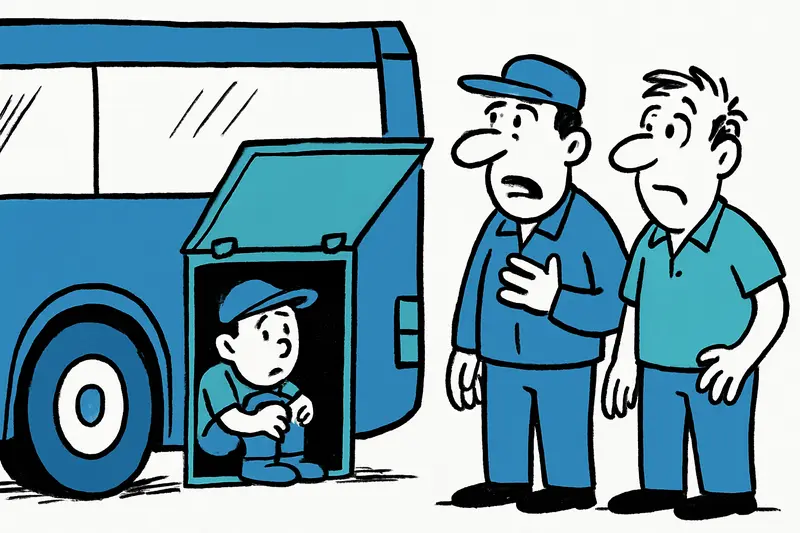
A minor traveled in the undercarriage of a team bus for more than 100 kilometers until his cries for help were heard. A ...

Cap Vermell Grand: Second Michelin Key – a Gift for the East
The Cap Vermell Grand in Capdepera has been awarded its second Michelin key. For the region this elevates the luxury off...
Eurowings lets four aircraft carry names – a friendly idea that also reaches Mallorca
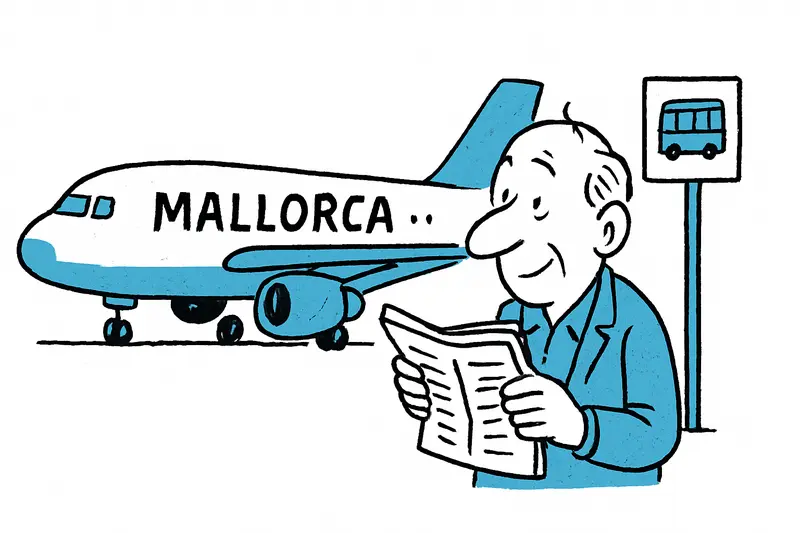
Eurowings is launching a campaign: four Airbus A320s are to carry the first names of people who help others in everyday ...
More to explore
Discover more interesting content

Can Cap de Bou

Townhouse Lleo 72
